
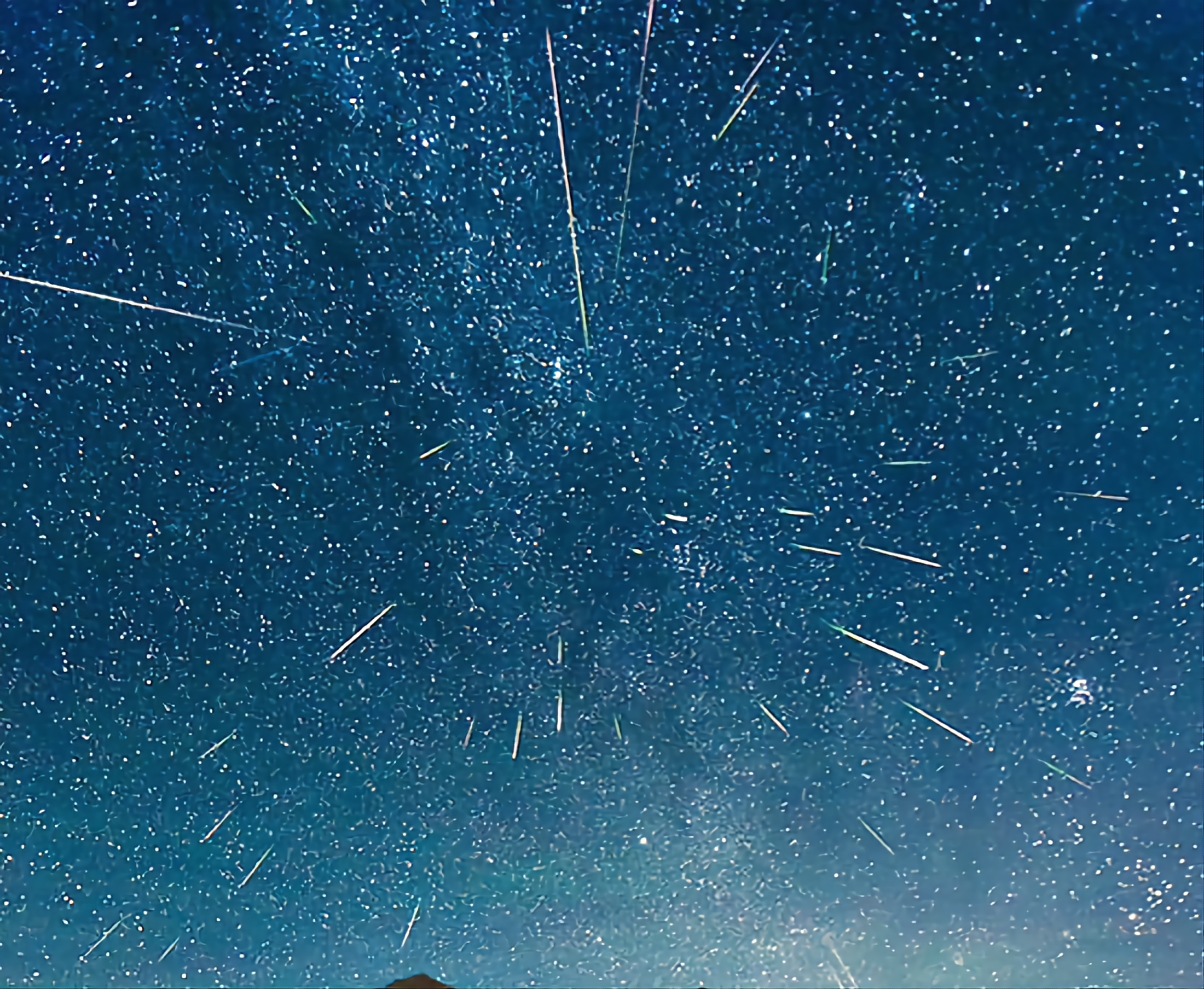

The annual Perseid meteor shower is expected to peak this weekend, August 12-13, 2023. This is one of the most popular meteor showers of the year, and for good reason. Under ideal conditions, you can see up to 100 meteors per hour during the peak.
The Perseids are caused by debris from comet 109P/Swift-Tuttle. This comet orbits the sun every 133 years, and as it does, it leaves a trail of dust and debris in its wake. When Earth passes through this trail, the debris burns up in our atmosphere, creating the streaks of light that we see as meteors.
This year, the Perseids are expected to be particularly good. The moon will be only 10% illuminated, which will allow us to see more meteors. Additionally, the weather forecast is looking good for much of the United States.
If you want to see the Perseids, the best time to look is after midnight, when the radiant (the point in the sky where the meteors appear to originate) is highest in the sky. Find a dark location away from city lights and lie on your back with your eyes facing the northeast. You should be able to see meteors streaking across the sky for several hours.
Here are some tips for getting the most out of the Perseid meteor shower:
- Find a dark location away from city lights. The darker the sky, the more meteors you will see.
- Lie on your back with your eyes facing the northeast. This is where the radiant is located.
- Give your eyes time to adjust to the darkness. It can take up to 30 minutes for your eyes to fully adapt.
- Be patient. It can take a few minutes to see your first meteor.
- Dress warmly. It can get cold at night, especially if you are lying on the ground.
- Bring a blanket or sleeping bag to lie on. This will help you stay warm and comfortable.
- Bring a friend or family member along to enjoy the show with you.
The Perseid meteor shower is a great opportunity to see some amazing sights in the night sky. If you have the chance, I encourage you to check it out. You won’t be disappointed.
In addition to the tips listed above, here are some other things to keep in mind when viewing the Perseid meteor shower:
- The meteors can appear anywhere in the sky, but they will all appear to originate from the constellation Perseus.
- The meteors can range in size from small grains of sand to pebbles.
- The Perseids are known for producing bright fireballs, which can be even more spectacular than regular meteors.
- The Perseid meteor shower is active from July 17 to August 24, but the peak is typically on August 12-13.
©️ Rocky Mountain Dispatch 2023
Leave a Reply