
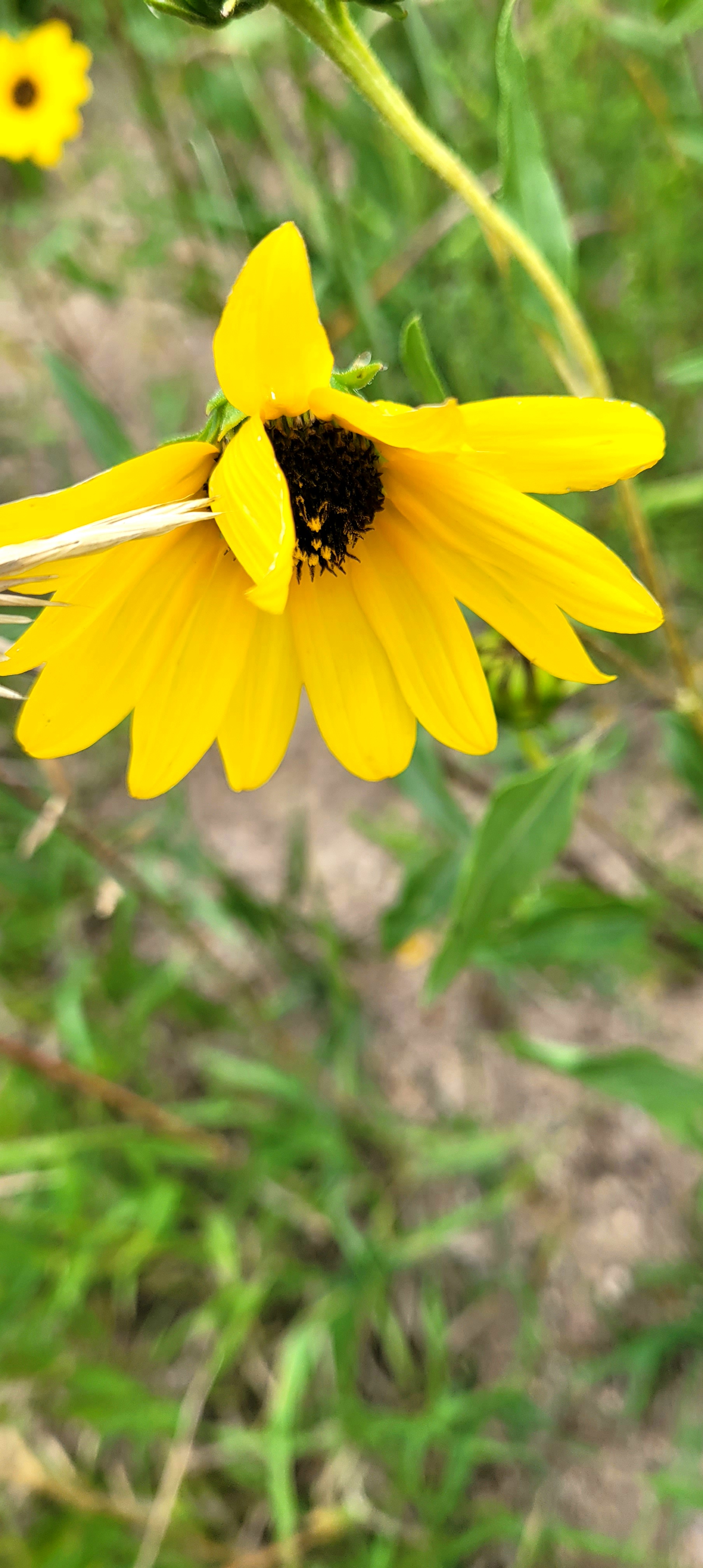
The Rocky Mountains are home to a variety of wildflowers, including the wild sunflower. Wild sunflowers are annual plants that grow in sunny, open areas. They can be found at a variety of elevations, from the foothills to the alpine tundra.
Wild sunflowers have tall, branching stems that can reach up to 8 feet in height. The leaves are large and oval, with coarse hairs on the underside. The flowers are yellow or orange, and they are arranged in large, showy clusters.
Wild sunflowers are important pollinator plants. They attract a variety of insects, including bees, butterflies, and moths. The flowers also produce a large amount of nectar, which is a valuable food source for these pollinators.
Wild sunflowers are also important for wildlife. The seeds are eaten by birds, rodents, and other animals. The plant’s leaves and stems provide food and shelter for insects and small mammals.
If you are lucky enough to see wild sunflowers in bloom, be sure to take a moment to appreciate their beauty and importance. Here are some pictures our family took in a field of Helianthus annuus.


Some additional facts about wild sunflowers that grow in the Rocky Mountain Region:
- The scientific name for the wild sunflower is Helianthus annuus.
- Wild sunflowers are native to North America.
- Wild sunflowers are a member of the sunflower family, Asteraceae.
- Wild sunflowers bloom from July to September.
- The seeds of wild sunflowers are edible.
- Wild sunflowers are a good source of vitamins A and C.
- Wild sunflowers can be used to make tea, tinctures, and salves.
- Wild sunflowers are a popular wildflower to grow in gardens.
I hope this article has taught you a little bit more about the wild sunflowers of the Rocky Mountains. These beautiful flowers are an important part of the ecosystem, and they deserve our appreciation.
©️ Rocky Mountain Dispatch 2023
Leave a Reply