
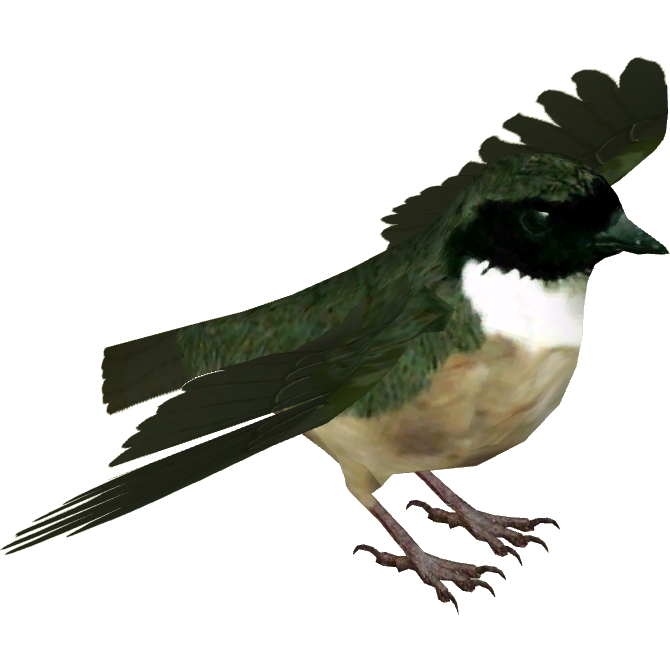

Twenty-one species of plants and animals have been removed from the Endangered Species Act (ESA) due to extinction, the U.S. Fish and Wildlife Service announced on Monday. The species were all native to the United States, and most of them were listed under the ESA in the 1970s or 1980s.
The extinctions are a stark reminder of the urgency of the biodiversity crisis. Scientists estimate that one million species are at risk of extinction worldwide, due to a variety of factors including habitat loss, climate change, and overexploitation.
The 21 species that have been removed from the ESA include:
- Bachman’s warbler
- Bridled white-eye
- Kauai akialoa
- Kauai nukupuu
- Oahu alaula
- Palila
- Po’ouli
- Small Kauai thrush
- Hawaiian crow
- Molokai creeper
- Oahu elepaio
- Kauai elepaio
- Kauai oo
- Kona grosbeak
- Molokai mockingbird
- Po’o-uli
- Black-capped petrel
- Newell’s shearwater
- Hawaiian crow
- Kauai o’o
- Large Kauai thrush
- Oahu thrush
- Kauai grosbeak

Eight of the 21 species were found in Hawaii, which is one of the world’s hotspots for biodiversity. The Hawaiian Islands are home to more than 10,000 native species, but many of them are threatened by habitat loss, invasive species, and climate change.
The Fish and Wildlife Service said that the 21 species were all declared extinct after “rigorous reviews of the best available science.” The agency said that the extinctions are a “sobering reminder of the importance of the ESA and the need to take action to conserve species before declines become irreversible.”
The ESA has been credited with saving hundreds of species from extinction, but it is not without its critics. Some argue that the law is too burdensome and that it stifles economic development. Others argue that the law is not effective enough, and that more needs to be done to protect endangered species.

The removal of 21 species from the ESA is a setback for conservation efforts, but it is also a reminder of the importance of taking action to protect biodiversity. We must all do our part to help ensure that future generations can enjoy the rich diversity of life on Earth.
©️ Rocky Mountain Dispatch 2023
Leave a Reply