
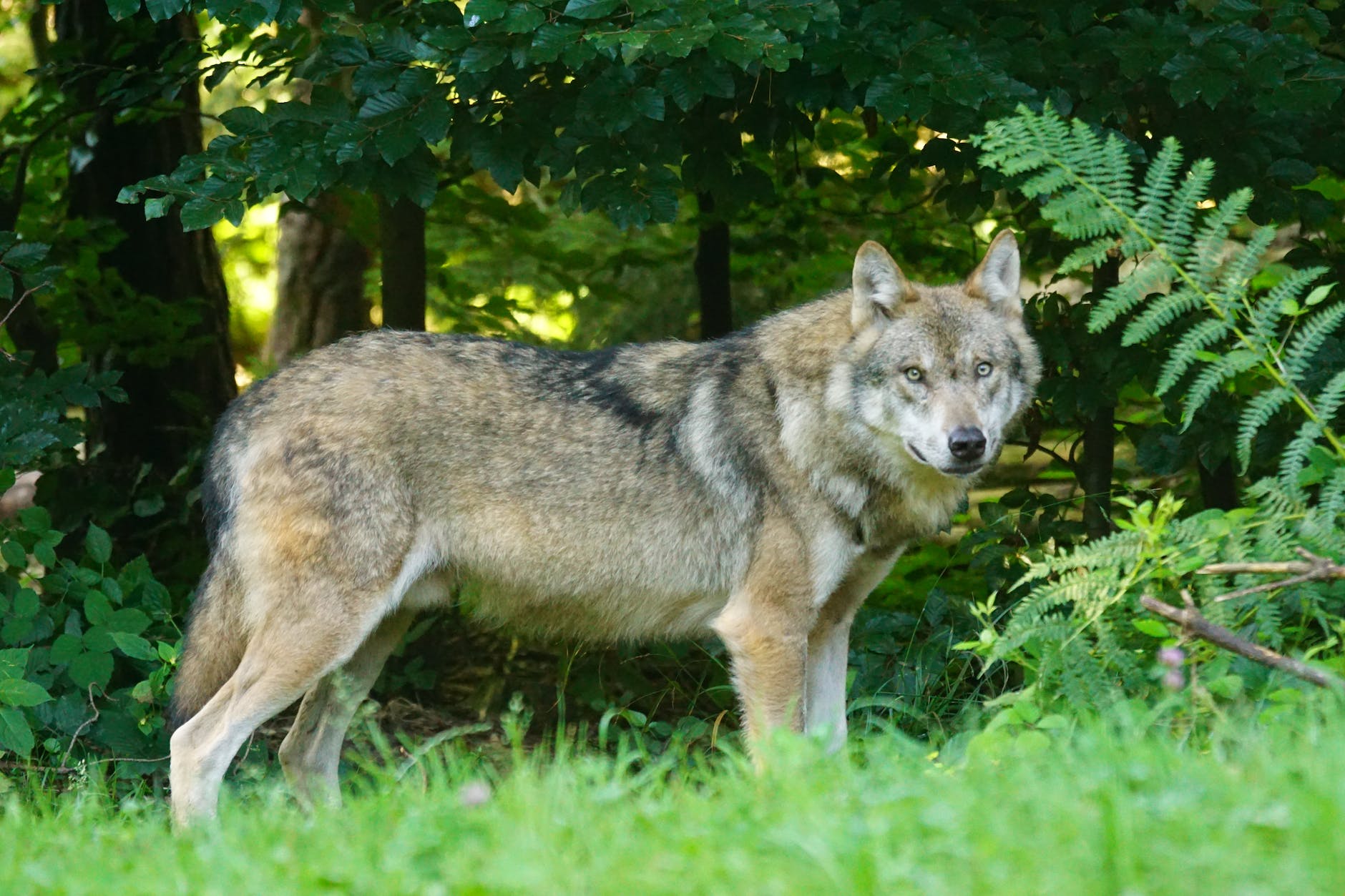

For nearly three decades, the story of wolves reintroduced into Yellowstone National Park has been celebrated as a triumph of ecological restoration. The narrative went like this: wolves, apex predators absent for 70 years, returned and triggered a “trophic cascade,” a domino effect restoring balance to the ecosystem. Elk populations were culled, willow and aspen stands rebounded, and rivers teemed with life once more.
But a new 20-year study from Colorado State University throws a wrench into this popular narrative. Led by researchers Tom Hobbs and David Cooper, the study reveals that the restoration of wolves, while important, may not have been the sole driver of the ecological changes observed in Yellowstone.
“The idea that wolves single-handedly restored Yellowstone became a widely accepted truth, but our research doesn’t support that claim,” says Hobbs. “While restoring apex predators is crucial for healthy ecosystems, the changes in Yellowstone were more nuanced and complex.”
So, what did the study find? Contrary to the “landscape of fear” theory, the researchers observed limited impact of wolves on elk browsing behavior. Instead, the key factor in willow and aspen regrowth emerged to be the presence of beavers. By restoring dam-building beavers, the study found, the landscape benefitted not just from reduced browsing but also from increased water table levels, promoting willow growth.
The study also highlights the importance of managing expectations. Restoring complex ecosystems takes time and involves numerous interacting factors. “Simply putting wolves back is not a quick fix,” emphasizes Cooper. “Their ecological impact unfolds over decades.”
But this doesn’t diminish the value of wolf reintroduction. Hobbs and Cooper agree that wolves play a vital role in maintaining healthy food webs. “An ecosystem with all its parts functioning is crucial for long-term resilience,” says Hobbs, quoting conservationist Aldo Leopold. “Restoring wolves is like putting back a missing cog in the machine. It might not instantly fix everything, but it contributes to a healthier overall system.”
This long-term study offers valuable insights for ongoing wolf reintroduction efforts, like the recently launched program in Colorado. While wolves may not be a magic bullet for ecosystem restoration, their presence contributes to a more balanced and resilient landscape. Understanding the complexities of these interactions is crucial for effective conservation strategies, ensuring that future “success stories” are grounded in robust scientific evidence.
©️ Rocky Mountain Dispatch 2024
Leave a Reply