
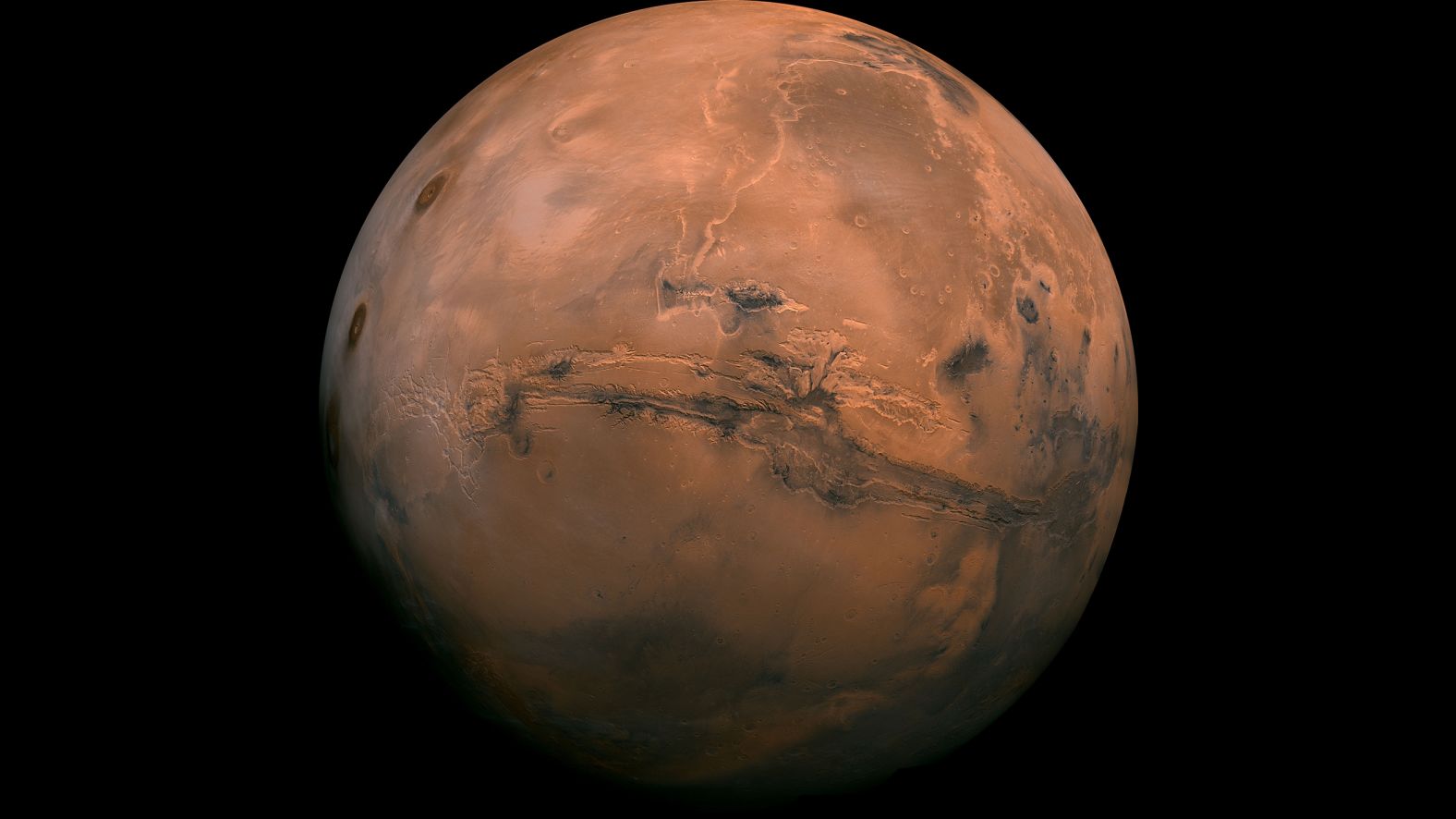

Ever since we first gazed up at the red planet, Mars has held a special place in our imaginations. Could we one day make it a second Earth? The concept of terraforming – transforming a planet’s climate and environment to support life – has long tantalized scientists and dreamers alike. But transforming Mars into a habitable world remains a monumental challenge, fraught with both technical hurdles and ethical complexities.
Why Terraform Mars?
The allure of Mars stems from its potential. Despite being a cold, barren desert, Mars possesses several factors suggesting it may have been much more hospitable in the distant past. Evidence points towards a thicker atmosphere and the presence of liquid water. The dream of revitalizing that environment, and perhaps making Mars a haven for humanity, drives the discussion around terraforming.
So, How Hard Could It Be?
Immensely hard. Mars harbors a laundry list of obstacles:
- Thin Atmosphere: Mars’s atmosphere is incredibly thin, about 1% the density of Earth’s, offering little protection from harmful solar radiation or the ability to retain heat.
- Cold Climate: With average temperatures around -81°F (-63°C), Mars is a frigid wasteland. Raising temperatures substantially would be a massive undertaking.
- Lack of Liquid Water: While ice exists beneath the Martian surface and in the polar ice caps, widespread liquid water – vital for life as we know it – is yet to be definitively confirmed.
- Toxic Soil: Martian soil contains compounds like perchlorates, which are harmful to many organisms.
- Weak Magnetic Field: Mars lacks a strong global magnetic field, making its surface vulnerable to solar storms.
To Terraform, or Not to Terraform?
Even if the technological hurdles could be overcome, terraforming Mars raises serious ethical dilemmas. Some experts argue that we have a duty to preserve Mars in its pristine state, allowing us to study its unique environment and potentially uncover evidence of past or even present microbial life. Others worry that introducing Earth lifeforms could irrevocably damage or even wipe out any native Martian ecosystem. The question then is: does it matter if the Martian ecosystem is affected by terraforming? Maybe the answer is contingent on the existence of life on the planet.
The Technology We’d Need
Should we choose to pursue terraforming, the technology required is ambitious, bordering on science fiction:
- Thickening the Atmosphere: Releasing immense quantities of greenhouse gasses, like carbon dioxide or more potent compounds, would be needed to trap heat and raise temperatures. Potential sources could include vaporizing Martian polar ice caps or redirecting comets.
- Manufacturing Water: Finding large-scale sources of liquid water and fostering a hydrological cycle would be crucial.
- Shielding Radiation: Artificially generating a magnetic field, or deploying vast solar shields, might be necessary to safeguard life on Mars from solar wind and cosmic rays.
- Remediation of Soil: Large-scale removal of harmful compounds or introduction of beneficial microbes to create fertile soil.
A Distant Reality
While the dreams of terraforming Mars continue to inspire, the reality is that it’s an incredibly difficult, ethically complex endeavor. With current technology, the transformation seems more of a far-off fantasy than an achievable goal. Nonetheless, continued exploration of Mars will undoubtedly enhance our understanding of the planet, and perhaps even reveal ingenious solutions for making the Red Planet a little more hospitable. And yet…if we had the technology to transform Mars, what would be the reason?

©️ The Rocky Mountain Dispatch LLC. 2024
Leave a Reply