
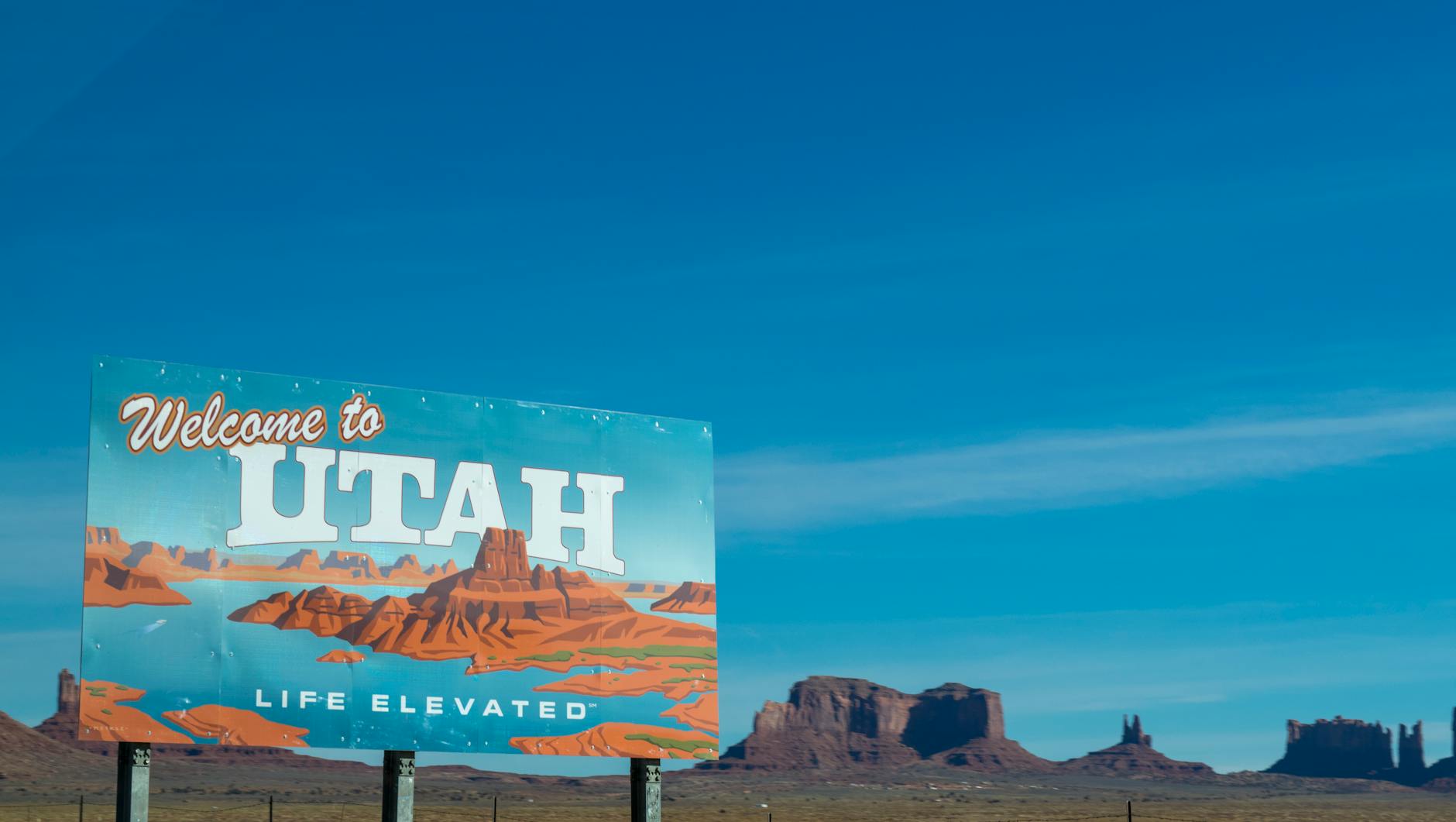

Utah, with its magnificent national parks and wilderness areas, its limitless opportunities for all kinds of outdoor recreation, and its growing population – including a multitude of hunters – has entered a new era of conservation. T)he Utah Division of Wildlife Resources (DWR) recently announced a sequence of novel programmes that addresses the reality that the outdoor recreation industry is skyrocketing and that it’s time to strike a balance with the natural resources of the state.
This revolutionary initiative is the Conservation Permit Program, Utah’s first-ever voluntary wildlife conservation funding mechanism. Biologists will recommend recipients to the state’s Wildlife Board, based on the effectiveness of past grant expenditures and the number of permit applications received. A limited number of permits will be available each year, primarily to hunters and anglers but also to photographers and other outdoor enthusiasts. The profits from permit sales will be transferred directly to dedicated funds for conservation projects across the state, such as habitat restoration and creation, research of animals and ecosystems, and technological advancements in wildlife management.
A second major programme was the Cooperative Wildlife Management Unit (CWMU) Program, a partnership between private landowners, sportsmen and the DWR, which was essentially the transfer of wildlife management to private lands. It pioneered cooperative wildlife management in North America. Under this programme – in which landowners are permitted to contribute to habitat enhancement, increase hunting opportunities and make money from the sale of hunts – a landowner can both focus on wildlife and on their bottom line.
In this cooperative structure, Utah’s wildlife has been ensured a promising future by respecting the rights of private landowners.
These programmes are distinct from permits for other types of hunting because they offer an enhanced connection with nature and a more wholesome experience. Hunters, once they’re accepted into the programme, gain access to private lands not open to the public, longer hunting seasons than usual, and higher harvest limits. Participants can sport a full harvest of animals, take their trophies home, and spread them out all over the living room.
But it’s not just about the perks.
These programmes are vital for healthy and sustainable wild populations. The Hunting Recruitment Programme and rehabilitation activities both teach citizens how to hunt responsibly and invest in ethical behavior that allows the ecosystem to flourish into the future.
Each of these programmes can be complicated to navigate, with many steps, but for those who have their eyes on claiming a Conservation Permit or want to practice their stalking skills on a CWMU, it makes sense to do the research so you can apply before deadline milestones. It is a new chapter for conservation in Utah, but the time and energy to be part of it is available for those willing to do the homework ahead of time.
You can learn more about these programmes on the DWR’s website. They also have great resources and recommendations for how you can become directly involved in and influenced by the decisions to limit use of, and preserve Utah’s wilderness areas.
©️ The Rocky Mountain Dispatch LLC. 2024
Leave a Reply