
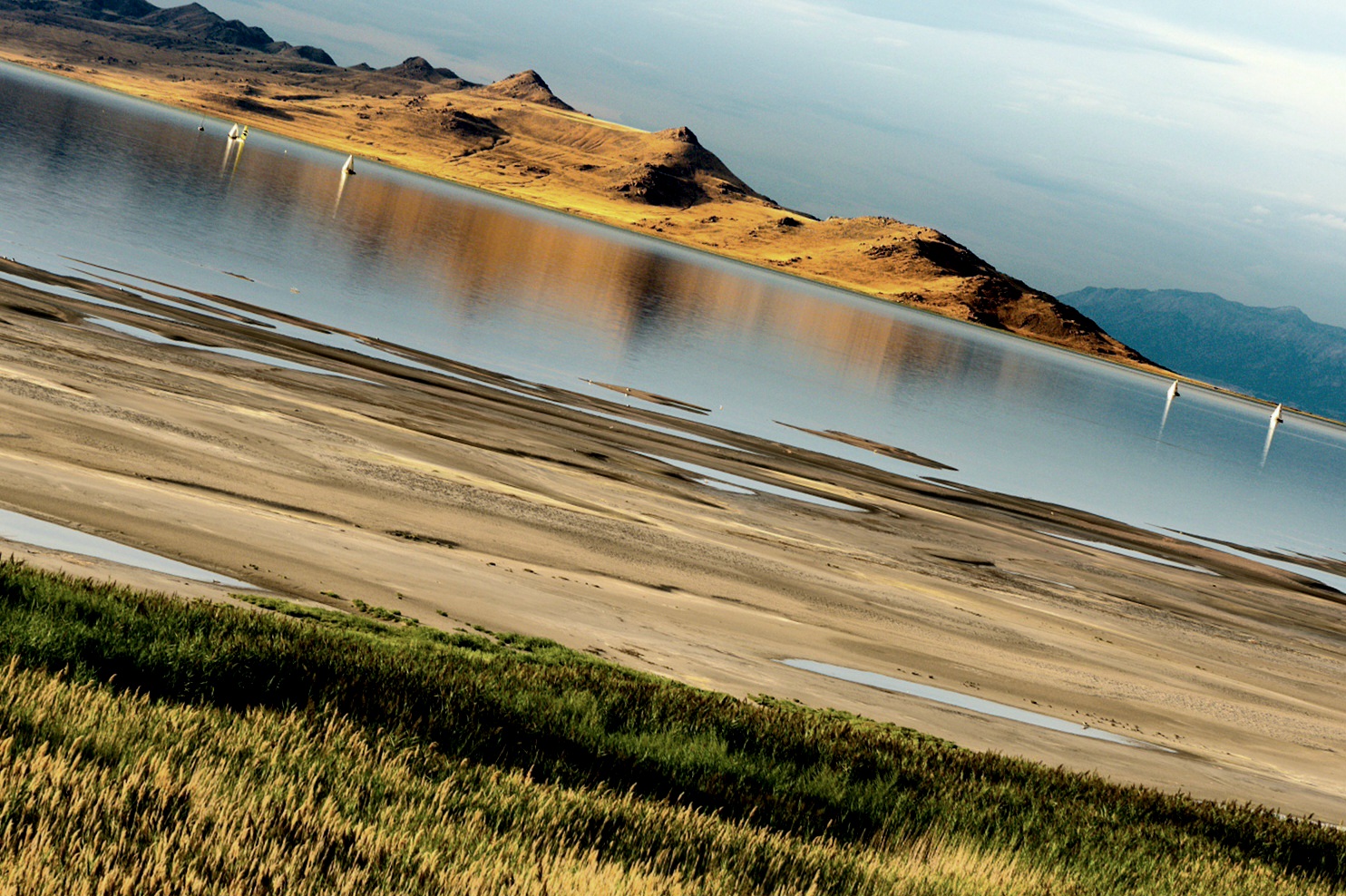

Amidst the escalating environmental crisis surrounding the Great Salt Lake, Utah farmers are pushing back against accusations that they are solely responsible for the lake’s decline. While environmental groups and some lawmakers point fingers at agricultural water use, farmers argue that the issue is far more complex and that they are actively working on solutions.
“We’re not the villains here,” says Clay Carter, a fourth-generation farmer in Logan. “We’re part of the solution. We’re the ones who feed this state, and we’re committed to doing our part to protect the environment.”
Carter, like many other farmers in the region, has invested heavily in modern irrigation technology that drastically reduces water usage. He points out that agriculture’s share of water consumption has been steadily declining for years, even as the lake continues to shrink.
“The blame game is easy, but it doesn’t solve the problem,” he adds. “We need to work together to find sustainable solutions that benefit everyone, not just point fingers.”
Farmers argue that factors like population growth, climate change, and outdated water infrastructure are also significant contributors to the lake’s decline. They call for a more comprehensive approach to water management that addresses all these factors, rather than simply targeting agriculture.
“We’re all in this together,” says Sarah Miller, another farmer in the region. “We need to find a way to balance the needs of agriculture, the environment, and the growing population. That’s the only way we can ensure a sustainable future for all.”
Some lawmakers are starting to recognize the farmers’ concerns. State Senator David Hinkins, a Republican who represents a largely agricultural district, has called for a more balanced approach to water management that doesn’t unfairly burden farmers.
“We can’t just shut down agriculture,” Hinkins said. “That would devastate our economy and our food supply. We need to find solutions that work for everyone.”
The farmers’ message is clear: they are not the problem, but they are willing to be part of the solution. They are calling for a fair and collaborative approach to water management that recognizes the vital role of agriculture in the state’s economy and its commitment to environmental stewardship.
©️ The Rocky Mountain Dispatch LLC. 2024
Leave a Reply