
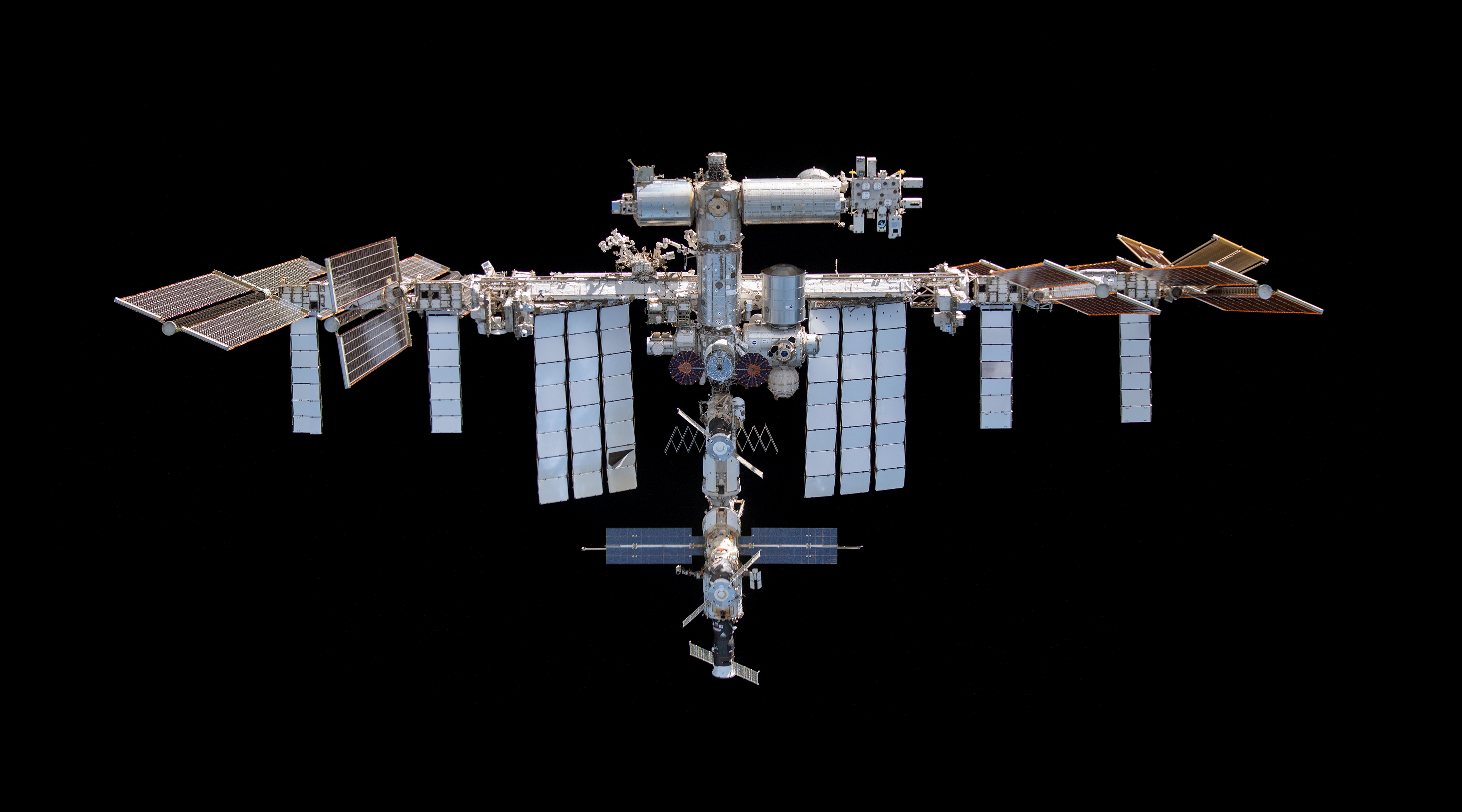

NASA awarded SpaceX the contract for the U.S. Deorbit Vehicle – a first step into space’s future of spacecraft removal when the International Space Station (ISS) is decommissioned in 2030.
It is an important milestone in NASA’s shift toward commercial space operations – and responsible end-of-life disposal of the ISS at the end of a 24-year mission travelling hundreds of times around Earth. The ISS has been a global space innovation leader and hallmark of international cooperation. However, the ISS will soon be shuttered, so its deorbit is critical to preserve space for future spaceflight and minimize risk to population centers at all times.
‘Selecting SpaceX to lead this effort demonstrates some of the same qualities that led NASA to select SpaceX to begin carrying crew to the space station,’ said a senior NASA official, Ken Bowersox. ‘SpaceX has the skills and experience to perform the deorbit safely with an eye toward responsible spaceflight, and they will maintain coordination with current and future commercial users of low Earth orbit, providing a smooth transition for space activities in low Earth orbit and beyond.’
As part of a ground-breaking $843 million Space Act Agreement, SpaceX will develop, build and eventually operate the U.S. Deorbit Vehicle, which will help facilitate the controlled deorbit of the ISS into a remote, unpopulated area of the Pacific Ocean. After this, the ISS (and the deorbit vehicle) will fragment upon entry into the Earth’s atmosphere, leaving no chance for any debris to make it to the planet’s surface.
Not since Apollo, the US space agency’s effort to reach the Moon, has an orbiting human outpost inspired such a level of international cooperation. Built by a consortium of five space agencies – Canada’s CSA; the European Space Agency; Japan Aerospace Exploration Agency, or JAXA; our own National Aeronautics and Space Administration (NASA); and Russia’s Roscosmos – the ISS has been in operation since it was launched into orbit in 1998, and the ISS partners have pledged to keep it going until at least 2030, while Russia remains on board until at least 2028. The years ahead promise just as much international cooperation in space exploration.
The ISS has provided unmatched sciences, technologies and education for the benefit of humankind. As it embarks on its final mission, the responsible and safe deorbit of this shining star of world cooperation will mark the ongoing commitment of the global space community to why we are in space in the first place: the wellbeing of humankind.
NASA’s contract with SpaceX reflects this new era for space in which commercial interests are shaping the future of space activities, and in which NASA and its partners are playing an ever-increasing role in helping to realize the United Nations vision for sustainable development and the commercial and scientific utilization of space beyond Earth.
©️ The Rocky Mountain Dispatch LLC. 2024
Leave a Reply