
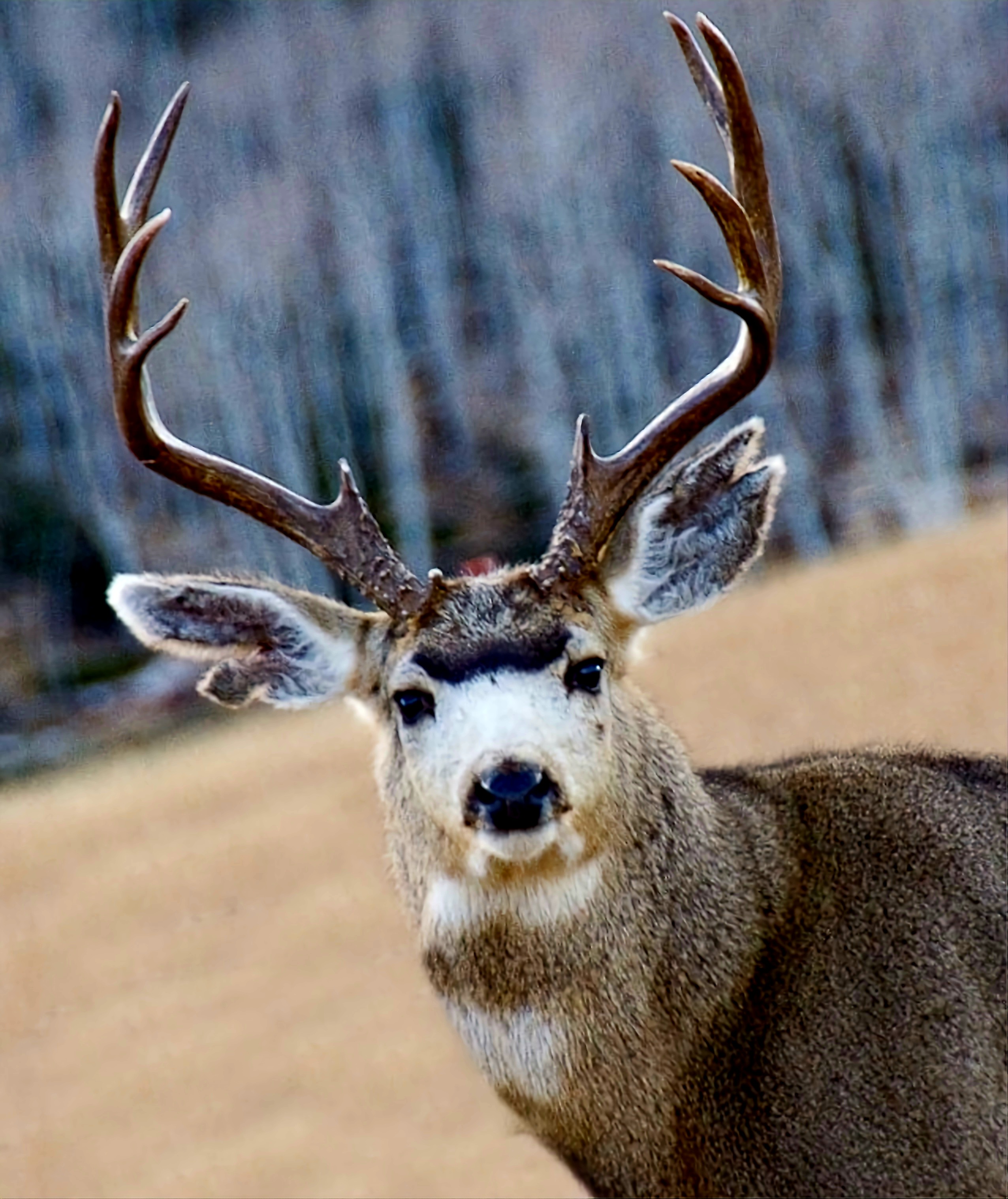

The results of the Montana Fish, Wildlife Parks (FWP) survey of deer and elk this past spring provide a mixed bag of news and outlooks throughout the state. Some hunting districts report above average, growing deer and elk populations with healthy fawn and calf recruitment. Other areas are experiencing declines associated with severe winters, disease, and poor winter habitat conditions.
Survey Methodology and License Adjustments
FWP biologists survey deer and elk populations from the air each spring and use the total counts and fawn/calf-to-adult ratio to determine the state’s total herd health and total numbers. Based on these counts, FWP sets antlerless B licence quotas for each hunting area annually in order to maintain sustainable populations.
Regional Breakdown
North-west Montana (Region 1): Harvests of white-tailed bucks are down so antlerless Bs will be decreased in HD 124 to increase the buck-to-doe ratio. Elk numbers are too low so antlerless Bs are reduced to increase numbers.
Western Montana (Region 2): Spring monitoring indicated trends were normal; no license change needed for the 2024 hunting season
Southwest Montana (Region 3): Mule deer numbers are patchy, and indexes have declined in some sample areas due to harsh winters. Elk counts are generally good; very low bull-to-cow ratios were observed in HD 380 and this poses a concern to managers. Modified licensing is intended to stabilise and encourage population improvement.
Central Montana (Region 4): Our mule deer are above target in HD 405 and additional B licenses for mule deer since CWD is present. Winter range adjustments earlier this year for elk have reduced elk harvest.
South-central Montana (Region 5): Mule deer counts are below average but stable, with fawn-to-adult ratios varying each year. White-tailed deer numbers are up a bit. For neither species were any B licenses altered. On elk, counts are stable to up a bit, so no change was proposed for antlerless licences.
Northeast Montana (Region 6): mule deer numbers are much lower than normal, leading to a reduction in antlerless B licenses, and elk are lower than the target, causing reduction in B licenses to improve growth.
Region 7: Eastern Montana Mule deer numbers are increasing, but are still below average white-tailed deer political unit numbers are low but will increase and antlerless B licenses were dramatically reduced due to epizootic haemorrhagic disease (EHD) epizootic haemorrhagic disease (EHD) is a disease caused by a virus in the Orbivirus family. The virus is spread by certain species of midges. The illness manifests as flu-like symptoms such as lethargy, fever and anorexia, and also leads to sores and ulcers and, often, death. Though Thomas Hulse, a fawn rancher in eastern Montana, raises fawns to sell at auction, he has suffered a number of deaths through EHD. The disease came to the US in 1955, and has been in the US annually ever since, though southern states tend to see more cases.
Future Outlook
FWP will maintain monitoring of the deer and elk populations throughout the year and make any necessary changes to management. Hunters can check specifics for license quotas and season dates for 2024.
©️ The Rocky Mountain Dispatch LLC. 2024
Leave a Reply