
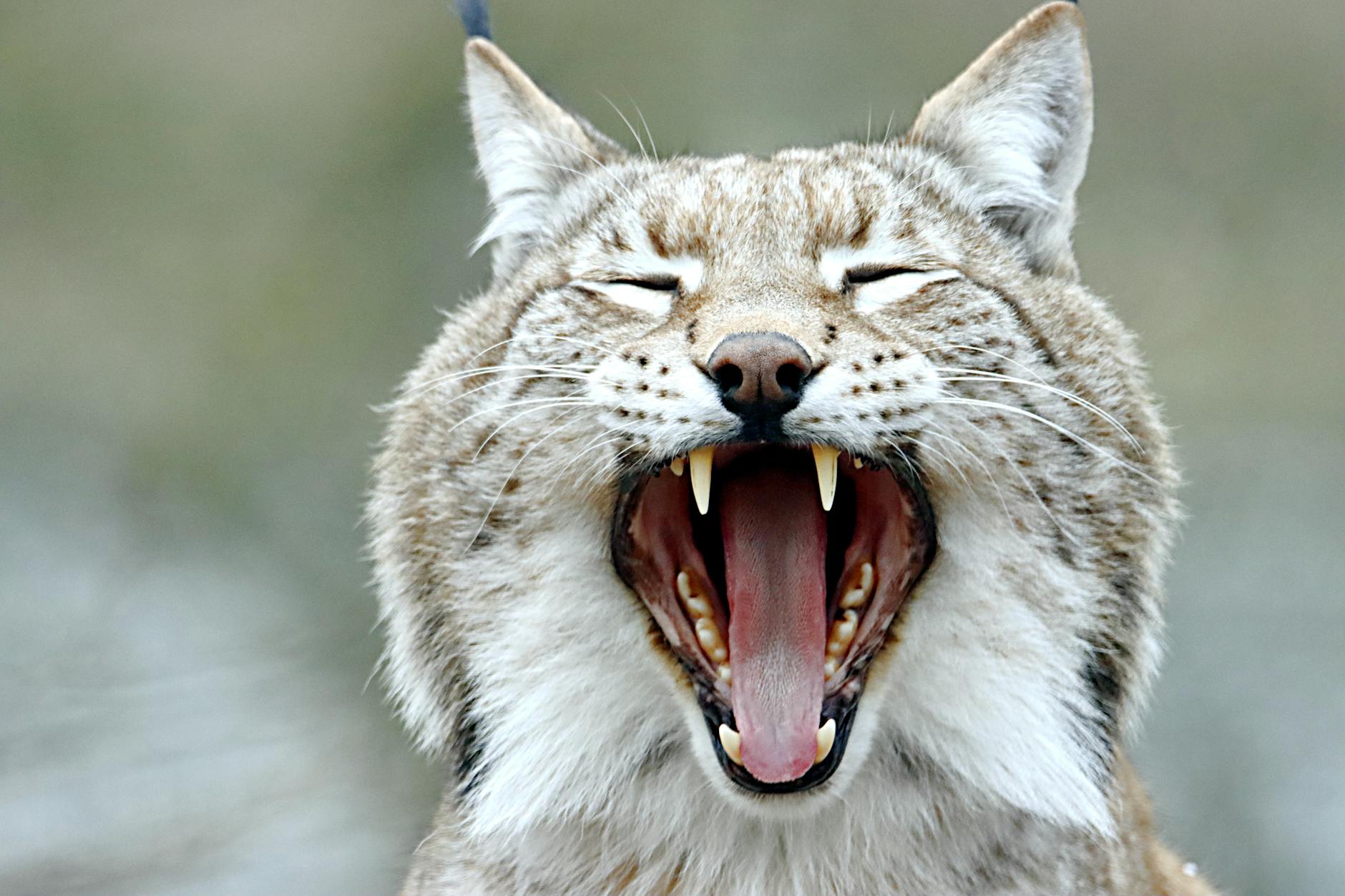

Colorado voters are facing a critical decision this November with Proposition 127, a ballot measure that could significantly alter the state’s approach to wildlife management. If passed, the proposition would enact a comprehensive ban on the hunting and trapping of bobcats, Canada lynx, and mountain lions, commonly referred to as “big cats.” This potential shift has ignited a fierce debate, with passionate advocates on both sides of the issue.
The Heart of the Matter
Proposition 127 seeks to establish strict protections for these iconic feline predators, permitting lethal action only in cases where human life is at risk or significant property damage is imminent. This means the current practice of regulated hunting and trapping seasons for these animals would cease to exist.
Supporters of the proposition argue that hunting and trapping are inherently cruel and pose an unacceptable risk to big cat populations. They point to the inherent value of these animals and emphasize the importance of preserving them for future generations. Additionally, they raise concerns about the methods used in these activities, such as the use of traps and the potential for non-target animals to be harmed.
Opponents of the ban, including hunters, trappers, and some wildlife officials, contend that regulated hunting plays a vital role in managing big cat populations and maintaining a healthy ecosystem balance. They argue that the current system, overseen by Colorado Parks and Wildlife, allows for sustainable hunting practices that ensure the long-term viability of these species. They also express concerns that a ban could lead to an increase in human-wildlife conflicts, as populations may grow unchecked.
The Stakes are High
The outcome of the vote on Proposition 127 will have far-reaching consequences for Colorado’s wildlife and the relationship between humans and predators. If passed, it would signal a significant shift in the state’s approach to wildlife management, prioritizing non-lethal methods and emphasizing the intrinsic value of these animals. However, it could also lead to new challenges in managing populations and mitigating conflicts with humans.
Colorado voters will have the final say on November 6th, and their decision will shape the future of big cats in the state for years to come.
©️ The Rocky Mountain Dispatch LLC. 2024
Leave a Reply