
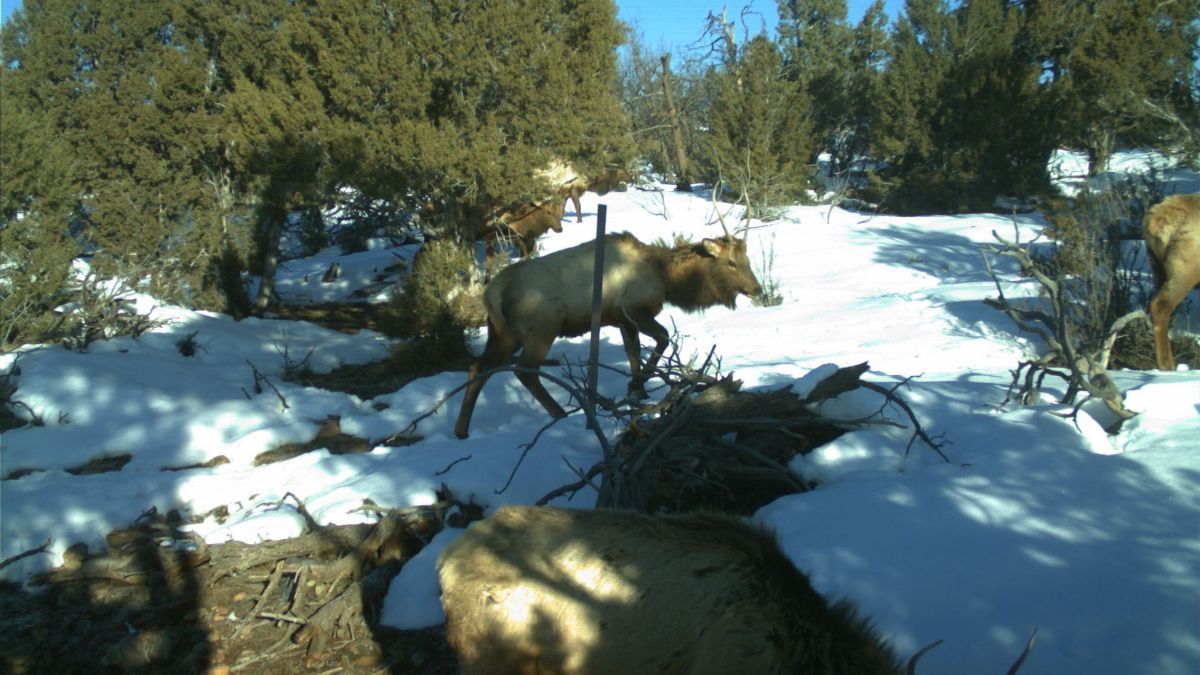

As the first snows blanket the Rockies, Colorado’s iconic wildlife face the annual challenge of winter survival. Mule deer, elk, bighorn sheep, and other species navigate a landscape of dwindling resources and harsh conditions. To aid their survival, Colorado Parks and Wildlife (CPW) enforces seasonal closures in critical wildlife wintering habitats. These closures, vital for minimizing stress on already vulnerable populations, call for understanding and cooperation from outdoor enthusiasts.
Across the state, designated areas see restrictions on human access during the winter months. These closures, determined by careful scientific monitoring and wildlife population data, pinpoint regions crucial for wintering wildlife. Popular hiking trails, backcountry zones, and even specific roads may be temporarily off-limits to reduce disturbances that can force animals to expend precious energy reserves.
“Winter is a particularly stressful time for wildlife,” explains a CPW spokesperson. “Limited food sources, deep snow, and frigid temperatures push them to their limits. Human disturbances, even seemingly benign ones, can disrupt their natural behaviors and have serious consequences.”
The impact of human intrusion on wintering wildlife is multifaceted. Chasing animals, even unintentionally, forces them to burn crucial calories needed for survival. Repeated disturbances can disrupt feeding patterns, leading to malnutrition and weakened immune systems. These stressors can significantly decrease survival rates, particularly among young and pregnant animals.
CPW emphasizes the importance of respecting these seasonal closures. Hikers, snowshoers, and other outdoor recreationists are urged to familiarize themselves with closure maps and abide by posted signage. Choosing alternative locations for winter activities, keeping pets leashed, and maintaining a safe distance from any observed wildlife are essential steps in minimizing human impact.
“These closures are not arbitrary,” the CPW spokesperson adds. “They are carefully crafted conservation tools that directly support healthy wildlife populations. By respecting these guidelines, Coloradans can play a crucial role in ensuring the resilience of our state’s incredible biodiversity.”
Beyond adhering to closures, responsible recreation includes mindful backcountry travel. Staying on designated trails, packing out all trash, and avoiding loud noises contribute to a quieter, safer environment for wildlife.
For detailed information on specific seasonal closures, interactive maps, and winter recreation tips, visit the Colorado Parks and Wildlife website. By embracing responsible enjoyment of Colorado’s natural beauty, residents and visitors alike can help ensure that wild spaces remain vibrant for generations to come.
©️ The Rocky Mountain Dispatch LLC. 2024
Leave a Reply