
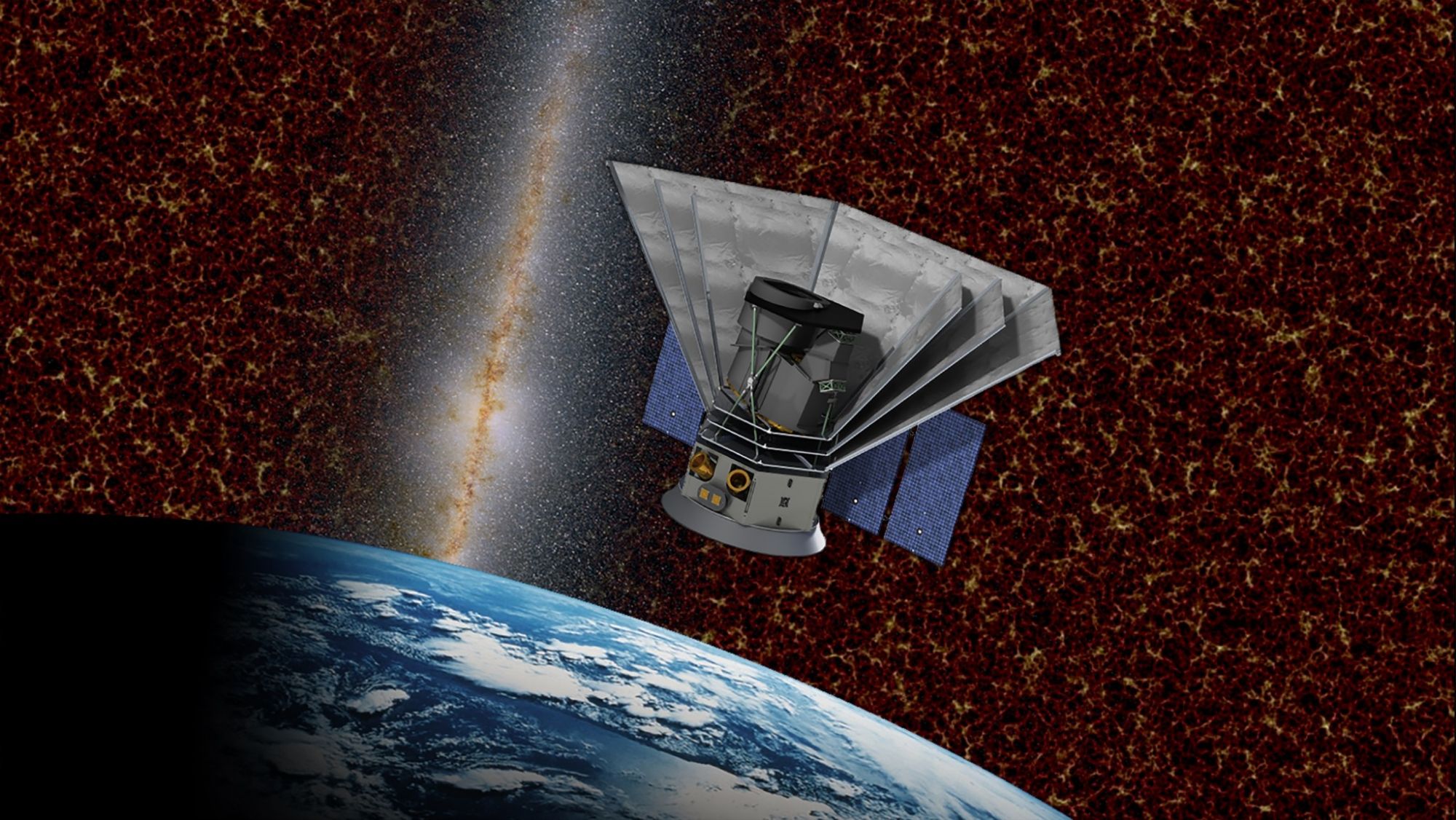

NASA is gearing up for the launch of the SPHEREx (Spectro-Photometer for the History of the Universe, Epoch of Reionization, and Ices Explorer) mission, scheduled for February 27, 2025. This mission aims to provide the first all-sky spectral survey, offering unprecedented insights into the universe’s early moments and the origins of water on planets.
Over its two-year mission, SPHEREx will survey the sky in optical and near-infrared light, collecting data on more than 450 million galaxies and over 100 million stars in the Milky Way. This comprehensive survey will help scientists understand how galaxies have evolved throughout history and search for water and organic molecules in star-forming regions.
The SPHEREx spacecraft, developed by the California Institute of Technology and NASA’s Jet Propulsion Laboratory, will create four all-sky maps in 96 different color bands, far exceeding the color resolution of previous surveys. These maps will identify targets for more detailed study by future missions, such as the James Webb Space Telescope and the Wide Field Infrared Survey Telescope.
The mission will also explore the physical processes that shaped the universe in its first moments, less than one second after the Big Bang. By studying the distribution of galaxies and the presence of water and organic molecules, SPHEREx will help scientists determine whether the ingredients for life are common in planetary systems within our galaxy.
The spacecraft will undergo final tests and checkouts at Vandenberg Space Force Base in California before its launch aboard a SpaceX Falcon 9 rocket. Once in orbit, SPHEREx will provide valuable data to the scientific community, advancing our understanding of the universe and the potential for life beyond Earth.
©️ The Rocky Mountain Dispatch LLC. 2025
Leave a Reply