
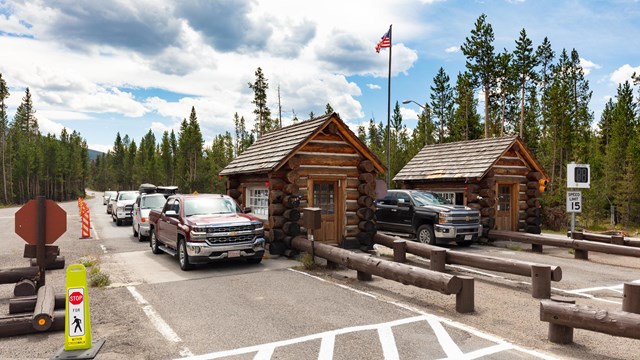

The National Park Service (NPS), a cornerstone of America’s natural and cultural heritage, is grappling with significant challenges stemming from federal budget cuts and staffing reductions. These developments are reshaping the agency’s ability to manage public lands, maintain visitor services, and preserve the nation’s iconic landscapes.
Budget Cuts and Their Impact
Recent federal budget cuts have led to a wave of layoffs within the NPS, with approximately 1,000 employees losing their positions. These cuts are part of a broader effort to reduce the federal workforce, but they have sparked widespread concern among park advocates and the public. The layoffs primarily targeted probationary employees, many of whom were seasoned professionals in supervisory roles. This loss of expertise is expected to have long-term consequences for the agency’s operations.
The budget cuts have also forced the NPS to rescind job offers to seasonal workers, a critical component of the workforce during peak visitation periods. Although the Department of the Interior has reinstated 5,000 seasonal positions, experts argue that this measure falls short of addressing the gaps left by the layoffs. The agency’s ability to hire and train new staff has been further hampered by a hiring freeze, compounding the challenges.
Staffing Reductions and Operational Strain
The staffing reductions have placed immense strain on the NPS’s ability to manage its 400+ units, which include national parks, monuments, and historic sites. Parks across the country are cutting hours, canceling tours, and closing visitor centers due to insufficient staffing. For instance, the Florissant Fossil Beds National Monument in Colorado has reduced its operating days, while other parks are facing similar constraints.
The loss of permanent staff has also disrupted critical operations, such as maintenance, resource protection, and emergency response. In some cases, parks are relying on a skeleton crew to manage increasing visitation numbers, raising concerns about visitor safety and the preservation of natural and cultural resources.
Visitor Experience and Economic Implications
The staffing shortages and service reductions are expected to impact the quality of visitor experiences at national parks. Visitors may encounter long entry lines, unclean facilities, and limited access to park amenities. Popular activities, such as guided tours and educational programs, are being scaled back or canceled altogether.
Beyond the immediate effects on visitors, the budget cuts pose economic risks to gateway communities that rely on tourism revenue generated by national parks. In 2023, the NPS reported that park visitors contributed $26.4 billion to local economies, supporting over 415,000 jobs. The reduction in park services could deter visitors, leading to economic losses for these communities.
Looking Ahead
The challenges facing the NPS highlight the need for sustainable funding and staffing solutions to ensure the agency can fulfill its mission of preserving America’s natural and cultural treasures. Advocates are calling for increased investment in the NPS to address staffing shortages, restore services, and support the economic vitality of gateway communities.
As the nation grapples with these issues, the future of the NPS and its ability to provide memorable experiences for millions of visitors remain uncertain. The agency’s resilience and adaptability will be crucial in navigating these challenges and safeguarding the legacy of America’s national parks for generations to come.
©️ The Rocky Mountain Dispatch LLC. 2025
Leave a Reply