
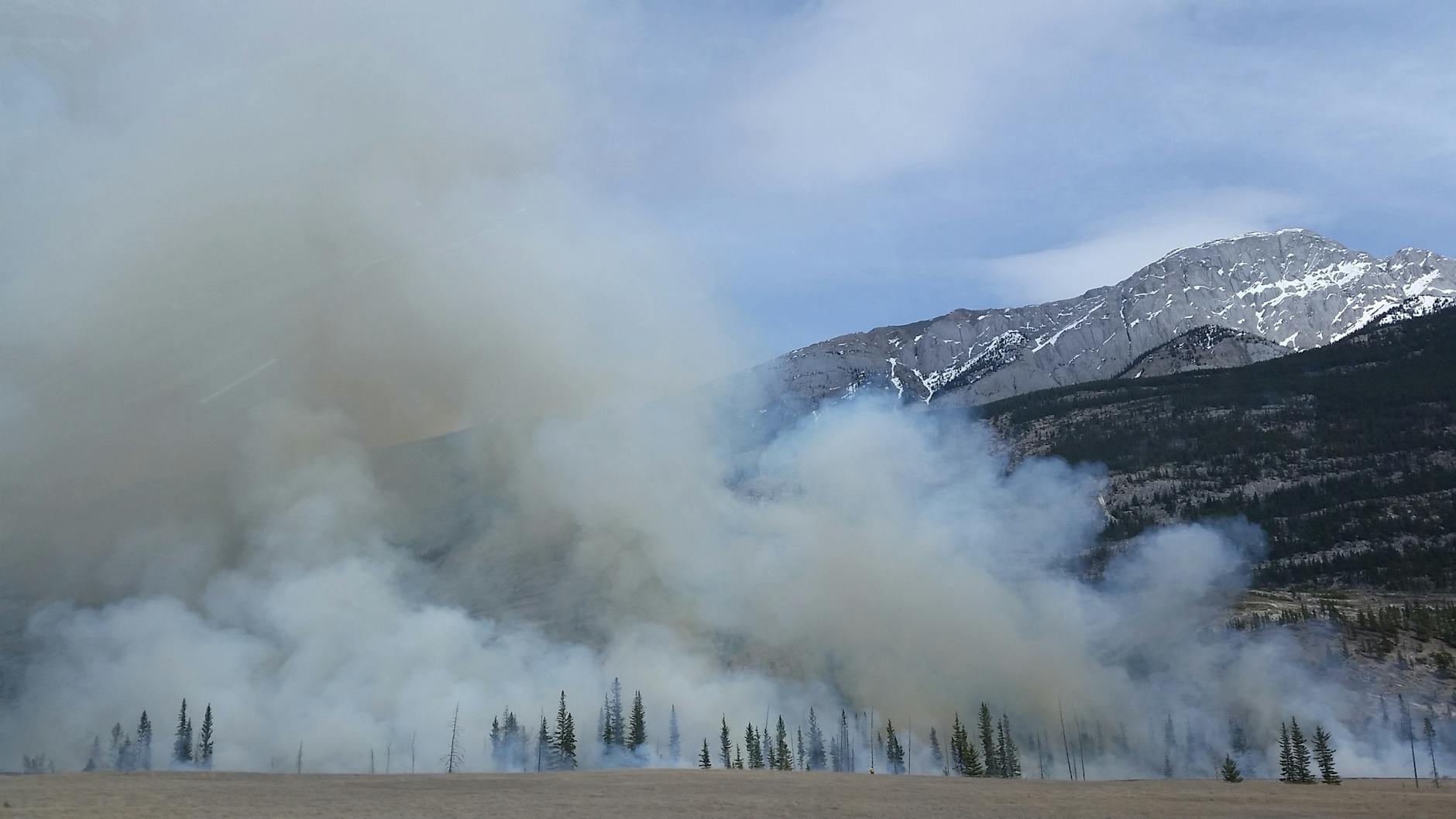

As Colorado navigates another fire season, concerns about wildfire risk are intensifying across the state. Driven by a combination of environmental factors, human activity, and shifting weather patterns, this year’s fire danger demands heightened awareness and preparedness from residents and officials alike.
Environmental Challenges: Drought, Climate Change, and Weather Extremes
Drought conditions remain a major concern for Colorado. Recent years have seen worsening dryness that leaves vegetation primed for ignition. Climate change exacerbates these risks, with rising temperatures and lower humidity creating a perfect storm. Additionally, snowpack levels—critical for water storage—are projected to decline, amplifying drought’s impact on the state’s fire risk.
Meteorologists have already issued Red Flag Warnings in multiple areas, indicating critical fire conditions due to gusty winds, low humidity, and unseasonably warm temperatures. This year, wind speeds in the southeastern plains have reached up to 50 mph, further fueling concerns. These regions, including Pueblo, Huerfano, and Las Animas counties, are especially vulnerable to wildfire outbreaks.
Meanwhile, Colorado’s mountainous areas tell a different story. Heavy snowfall in regions like Summit County contrasts starkly with the dry conditions in the plains. This variability highlights the challenge of managing fire risk in a state with diverse climates.
Human Activity: A Key Contributor
Nearly 90% of wildfires in Colorado are human-induced, stemming from activities such as arson, discarded cigarettes, and unattended campfires. Residents are urged to exercise extreme caution during outdoor activities, and to adhere to local burn bans and fire restrictions to mitigate risks.
Tools and Resources for Wildfire Preparedness
To help residents stay informed and prepared, the Colorado State Forest Service has identified areas with elevated wildfire risks, such as the western slope of the Rocky Mountains and southeastern plains. Tools like the Wildfire Risk Viewer enable residents to assess fire danger in their specific areas and take proactive steps to safeguard their properties. Creating defensible spaces, using fire-resistant materials, and developing evacuation plans are essential measures for fire season readiness.
A Call for Action
As fire season ramps up, Colorado’s communities must prioritize prevention and preparedness. Public awareness campaigns emphasize the importance of cautious outdoor behavior, and local authorities stand ready to respond to emergencies swiftly. The Colorado Division of Fire Prevention and Control, along with the State Forest Service, offers valuable guidance and resources.
Fire risk in Colorado is a stark reminder of the interconnected challenges posed by climate change, human activity, and weather extremes. While these risks grow each year, collective effort and vigilance can help protect lives, property, and the state’s natural beauty.
Stay alert, stay safe, Colorado. Together, we can face the challenges of fire season head-on.
©️ The Rocky Mountain Dispatch LLC. 2025
Leave a Reply