
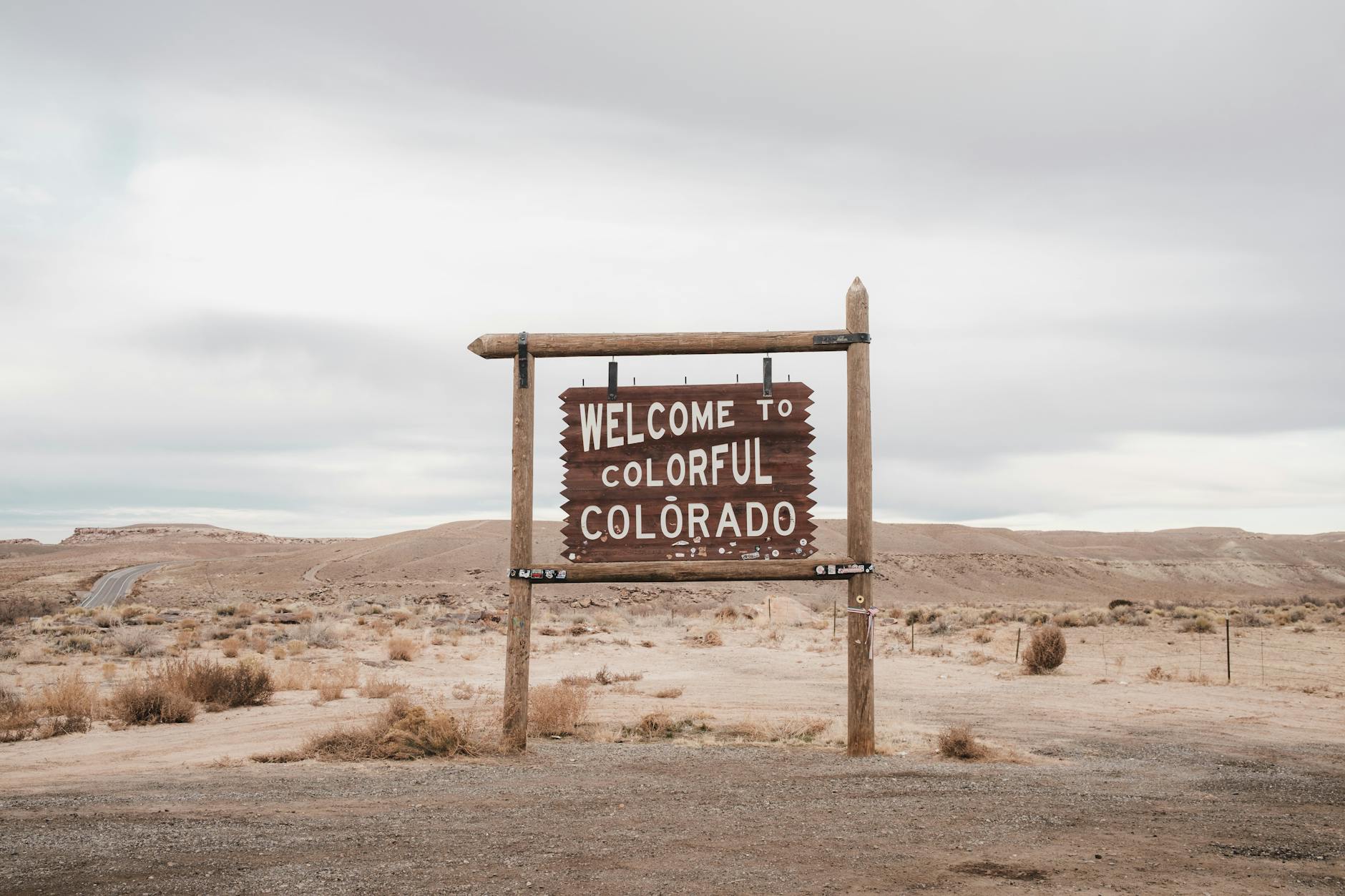

Colorado is facing a period of pronounced economic uncertainty as new tariffs and persistent inflation reshape the business landscape, consumer prices, and state fiscal planning.
Tariffs: A Shock to Colorado’s Economy
President Trump’s recent imposition of steep tariffs on imports from Canada, Mexico, and China—three of Colorado’s largest trading partners—has sent shockwaves through the state’s economy. The tariffs, which include a 25% tax on goods from Canada and Mexico and a 10% tariff on Chinese imports, were enacted after months of uncertainty and postponements, leaving businesses scrambling to adapt.
Colorado’s economy is deeply intertwined with international trade, importing $17 billion and exporting $10.5 billion in goods last year. Canada alone accounts for $5.4 billion in imports and $1.6 billion in exports annually, making the state particularly vulnerable to trade disruptions. Key industries at risk include oil and gas, agriculture, aerospace, and advanced manufacturing. For example, Suncor, Colorado’s only refinery, is Canadian-owned and supplies 40% of the state’s petroleum market, directly linking fuel prices to tariff impacts.
Business leaders warn that tariffs could undermine Colorado’s competitiveness. Loren Furman, president of the Colorado Chamber of Commerce, stated, “Tariffs could seriously interfere with our work to improve competitiveness and the broader economy,” as companies face higher costs and supply chain disruptions. Some local brands, such as VF Corp. (owner of The North Face and Vans), have already seen their stock values plummet, reflecting broader market anxieties.
Inflation: Persistent, but Milder Than National Average
While inflation in Colorado has moderated compared to the national average, it remains a significant concern. As of January 2025, the Denver metro area’s annual inflation rate stood at 2.3%, below the U.S. average of 3.0%[9]. However, the cumulative effect since 2020 has been substantial, with the average Colorado household spending $40,922 more due to higher prices.
Key inflation trends in Colorado include:
– Food prices in Denver rose 4.02% over the past year, outpacing the national average of 2.5%.
– Transportation costs surged by 8.27%, nearly quadrupling the national rate.
– Housing costs in Denver increased by just 0.01%, compared to 3.84% nationally, offering some relief to residents[6].
– Energy prices in Denver fell by 2.54%, while they rose 0.8% nationwide.
Despite these mixed signals, the Federal Reserve has indicated that interest rate cuts are not imminent, as national inflation remains above target.
Business and Consumer Impact
The combined effect of tariffs and inflation is being felt across Colorado’s business community and households. Business owners report significant uncertainty, with many forced to raise prices or absorb higher costs. For example, Jeremy Peterson, owner of Identity Pet Nutrition, imports products from Canada and faces tariffs on both finished goods and aluminum, resulting in a projected retail price increase from $4.99 to $6.49—a 30% jump.
State Treasurer Dave Young estimates that tariffs could cost Colorado $1.4 billion annually, further straining a state budget already $1.2 billion in deficit. This could lead to cuts in public services, including education, behavioral health, and Medicaid.
Outlook: Slower Growth Amid Uncertainty
Despite these challenges, Colorado’s economy is still projected to grow in 2025, albeit at a slower pace. The state is expected to add 36,700 jobs, with 10 of 11 major industries expanding[4]. However, the outlook is clouded by ongoing trade tensions, inflationary pressures, and the risk of retaliatory tariffs from trading partners like China, which has already imposed a 34% tariff on all U.S. exports.
Colorado stands at a crossroads, navigating the dual challenges of rising tariffs and persistent inflation. While the state’s economic fundamentals remain strong, the uncertainty surrounding trade policy and price stability is forcing businesses, consumers, and policymakers to adapt quickly in an unpredictable environment.
©️ The Rocky Mountain Dispatch LLC. 2025
Leave a Reply