
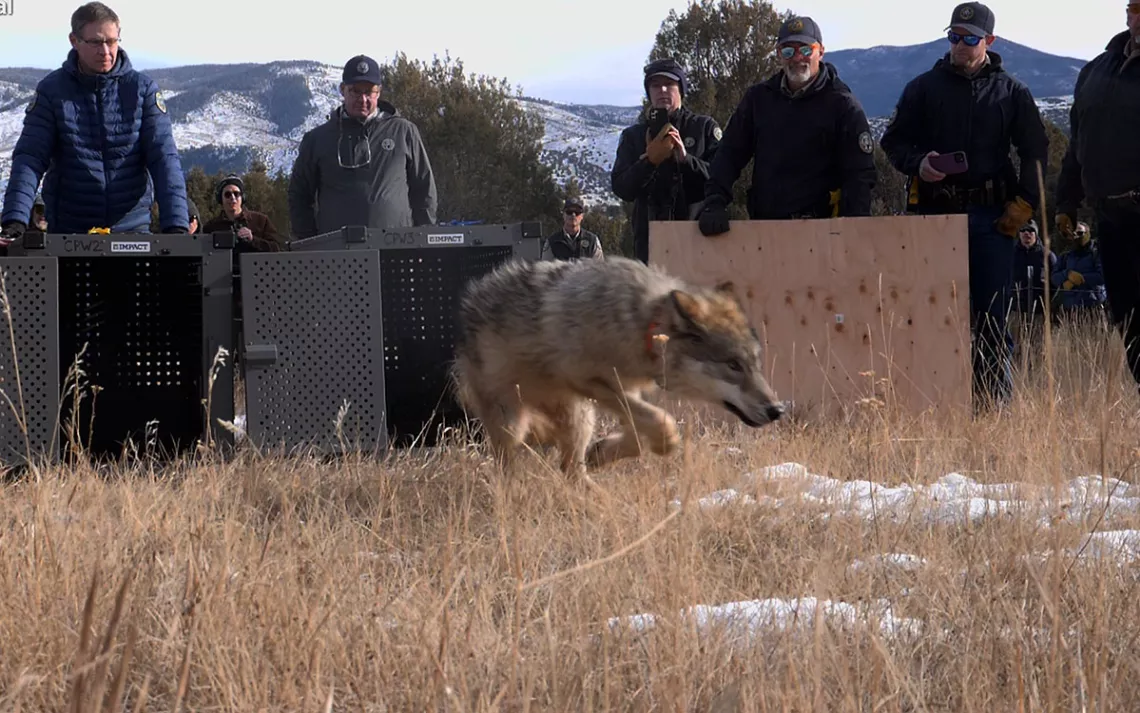

The reintroduction of gray wolves into Colorado’s wilderness—once heralded as a bold step toward ecological restoration—has evolved into one of the most polarizing environmental efforts in the state’s history. Narrowly passed by voters in 2020, the initiative has ignited a deep divide between rural communities and urban conservationists. The Rocky Mountain Dispatch, which has published several comprehensive articles on this issue, will continue to cover every chapter of this unfolding controversy.
The Beginning: A Close Vote and Big Promises
In 2020, voters approved Proposition 114, requiring the state to return gray wolves to the Western Slope. Supporters saw it as a chance to restore balance to ecosystems overrun by deer and elk. Critics argued that such decisions should be left to wildlife biologists, not the ballot box. The measure passed by only a sliver, reflecting widespread unease across rural Colorado.
Unexpected Costs and Operational Setbacks
What was supposed to be a relatively low-cost initiative has already cost the state more than $3 million—far surpassing its early projections. Only 30 wolves have been relocated so far. Controversy deepened when it was revealed that some wolves moved from Oregon had previously killed livestock and resumed those behaviors after being released in Colorado. CPW officials acknowledged violations of their own guidelines, and one wolf had to be euthanized.
Economic Fallout in Ranching Country
Ranchers, particularly on the Western Slope, report rising livestock deaths and mounting financial pressure. The state’s compensation fund, designed to cover livestock losses, was quickly depleted. In 2024 alone, ranchers filed claims exceeding half a million dollars. Some claims were paid, while others were delayed or disputed—fueling tensions between rural landowners and state officials.
Political Pushback and Community Outcry
Agricultural groups and county commissioners are calling for a halt to future releases until more protections are in place. Although CPW has introduced range riders and deterrents, critics argue the efforts are too little, too late. For many in rural Colorado, the process has eroded trust in state agencies and alienated communities that feel unheard.
Ecologists Defend the Program
Wildlife experts and conservation groups continue to argue for the long-term benefits of a healthy wolf population. Wolves play a critical role in limiting overgrazing and promoting biodiversity. These ecological impacts are central to the program’s original vision, though harder to measure in its early years.
Looking Ahead: More Wolves, More Votes?
Despite backlash, CPW plans to import another pack of wolves from Canada later this year. Meanwhile, a new repeal effort is gaining steam, which may send the issue back to voters for a second time. The Rocky Mountain Dispatch will remain at the forefront, tracking legislative developments, ecological studies, and voices on both sides of this contentious debate.
©️ The Rocky Mountain Dispatch LLC. 2025
Leave a Reply