

Western Colorado Faces Escalating Fire Emergency
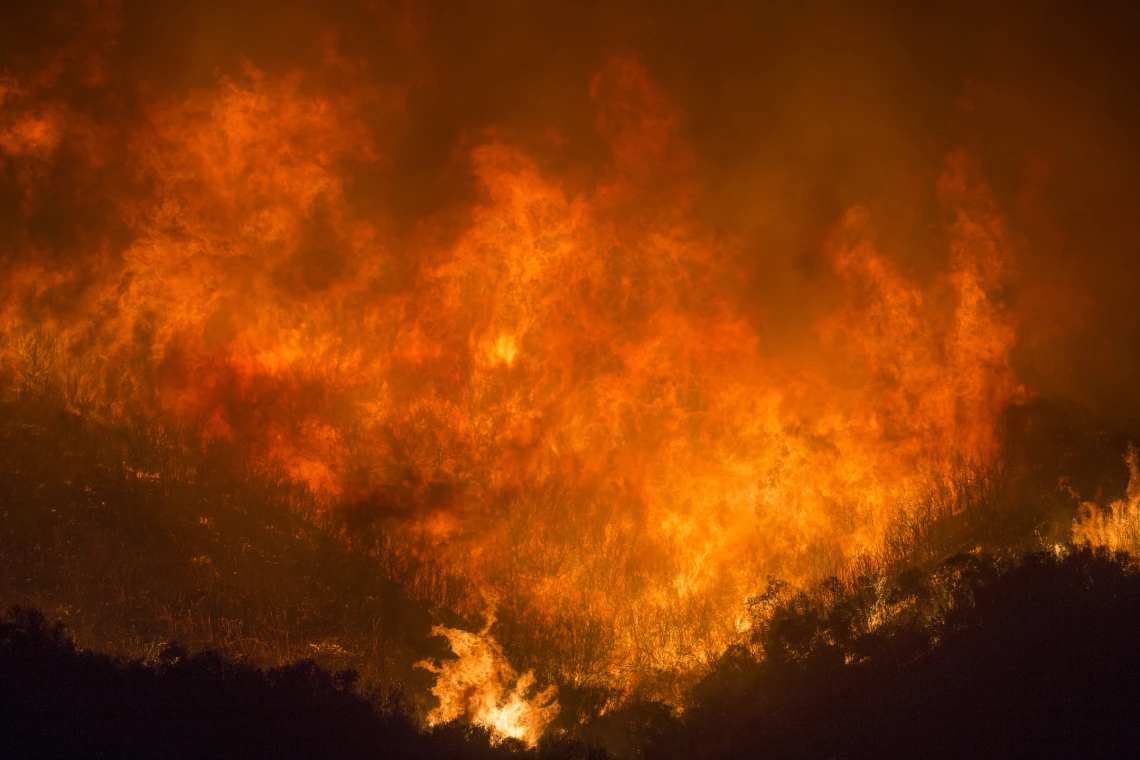
Two fast-moving wildfires—the Lee Fire and the Elk Fire—are tearing through Rio Blanco County in northwest Colorado, prompting widespread evacuations, threatening critical infrastructure, and drawing a full-scale emergency response from state and federal agencies. As of Friday evening, the fires have consumed more than 73,000 acres combined and remain entirely uncontained.
The Lee Fire, which ignited southwest of Meeker on August 2, has exploded to 58,714 acres. The Elk Fire, burning southeast of Meeker, has scorched 14,518 acres. Both fires are believed to have been sparked by lightning during a dry thunderstorm event and are being fueled by extreme drought, high winds, and critically dry vegetation.
Fire Locations and Behavior
The Lee Fire has jumped Colorado Highway 13 and is advancing toward oil and gas facilities, power lines, and rural homesteads. Its rapid spread across rugged terrain has complicated containment efforts. The Elk Fire, burning through pinyon-juniper woodlands and oak brush, is threatening private lands, state trust lands, and Bureau of Land Management parcels.
Fire behavior has been described as “erratic and aggressive,” with flame lengths exceeding 30 feet in some areas. Steep slopes and shifting winds have made aerial suppression difficult, and ground crews are working under hazardous conditions.
Evacuations and Emergency Shelters
Authorities have issued mandatory evacuation orders and pre-evacuation notices for multiple areas:
Lee Fire Evacuations
– County Road 22
– County Road 76 (between CR 3 and CR 5)
– Highway 64 (mile markers 58–67)
– County Roads 127, 129, 66, Brightwater Lane
Lee Fire Pre-Evacuations
– County Road 33
Elk Fire Evacuations
– County Road 8 (mile markers 11–16)
– Sleepy Cat to Lake Avery
– County Roads 40, 49, 63
Elk Fire Pre-Evacuations
– County Roads 14, 57 (Miller Creek)
– County Road 8 (mile markers 19–27)
Emergency shelters have been opened at the Fairfield Center in Meeker and Moffat County High School in Craig. Animal evacuation services are being coordinated by local humane societies and agricultural extension offices.
Firefighting Response and Resources
Governor Jared Polis has declared a state disaster emergency and activated the Colorado National Guard to assist with firefighting and evacuation logistics. The Rocky Mountain Incident Management Team is leading suppression efforts, supported by nearly 476 personnel.
Resources deployed include:
– 14 aircraft (including Type 1 helicopters and air tankers)
– 15 fire engines
– 14 hand crews
– 2 bulldozers
Crews are focused on structure protection, constructing containment lines, and securing critical infrastructure. However, resource limitations and dangerous terrain have slowed progress.
Weather Conditions and Fire Outlook
A Red Flag Warning remains in effect for much of western Colorado, with forecasts calling for continued high temperatures, low humidity, and gusty winds through the weekend. These conditions are expected to exacerbate fire behavior and hinder containment efforts.
The region is experiencing one of its driest summers on record, with soil moisture levels at historic lows. The combination of prolonged drought and above-average temperatures has created ideal conditions for large-scale wildfire ignition and spread.
Community Impact and Air Quality
While the town of Meeker is not under mandatory evacuation, residents remain on high alert. Community meetings have been held to provide updates and distribute emergency preparedness materials. Officials are urging residents to prepare go-bags and monitor local alerts.
So far:
– One primary residence and several outbuildings have been destroyed
– No fatalities have been reported
– Air quality advisories have been issued across 17 counties, including Garfield, Mesa, and the Denver metro area
Smoke from the fires has drifted eastward, triggering health warnings for sensitive populations and reducing visibility across the Western Slope.
Broader Context: Colorado’s Fire Season
The Lee and Elk Fires are part of a broader wildfire emergency unfolding across Colorado. More than 127,000 acres have burned statewide in 2025, making it the most destructive fire season since 2020. Experts warn that climate change, land-use patterns, and a 1,200-year megadrought are intensifying wildfire risk across the Rocky Mountain region.
State officials are urging residents to remain vigilant, follow evacuation orders, and support fire mitigation efforts. Additional federal assistance may be requested if conditions worsen.
©️ The Rocky Mountain Dispatch LLC. 2025
Leave a Reply