
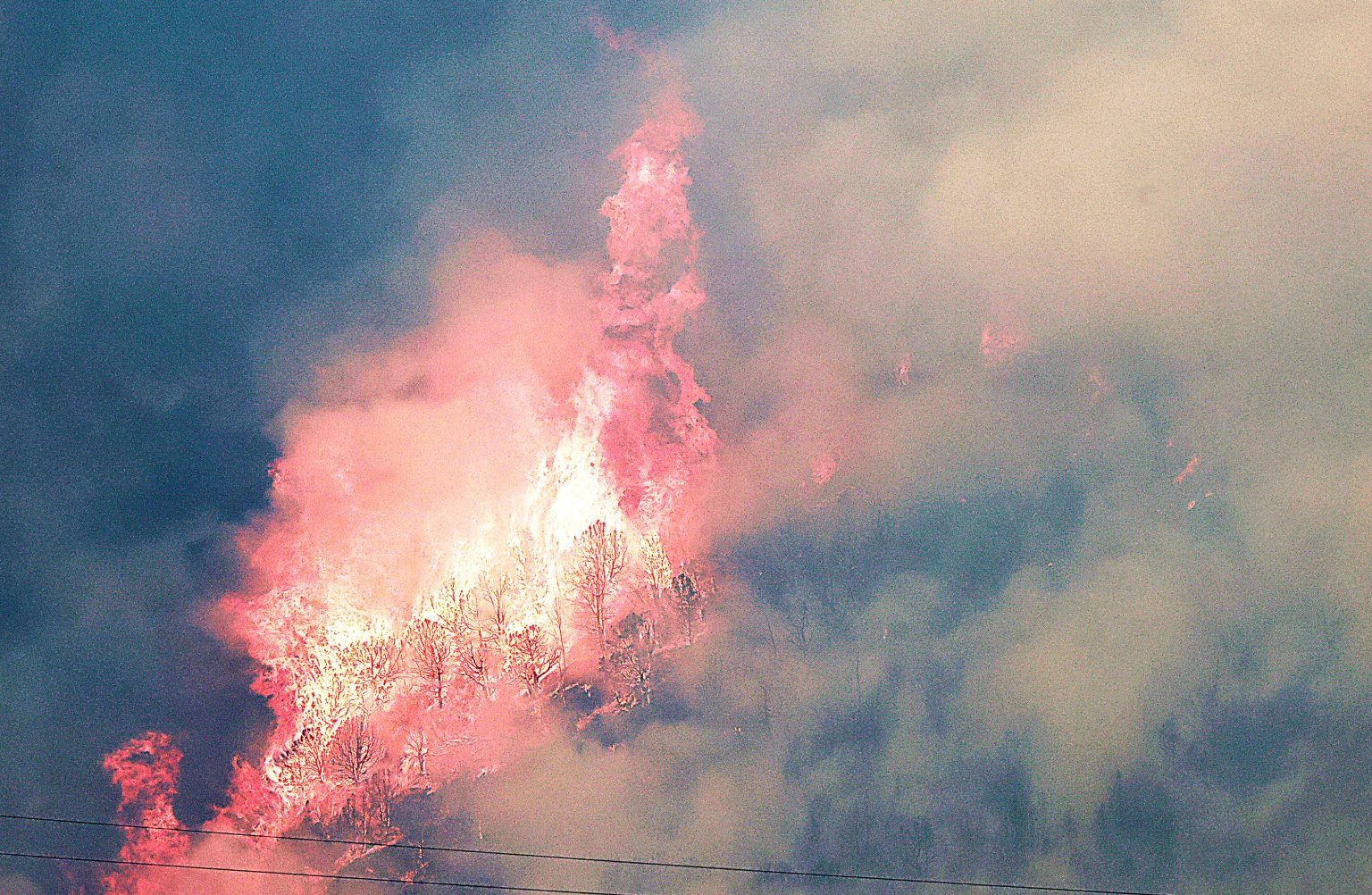

Colorado is grappling with one of its most destructive wildfire seasons in recent memory, as the Lee Fire in Rio Blanco and Garfield counties surpasses 133,954 acres burned, making it the fifth-largest wildfire in state history (Colorado Division of Fire Prevention and Control, 2025). Fueled by extreme drought, erratic winds, and dry vegetation, the fire continues to challenge containment efforts and stretch state resources to their limits.
The Lee Fire, which ignited on August 2 following a lightning strike, has rapidly expanded across rugged terrain, threatening rural communities, livestock operations, and critical infrastructure. As of Saturday morning, containment remains at just 31 percent, with over 2,395 personnel and 41 aircraft deployed statewide to combat the blaze (Colorado State Emergency Operations Center, 2025).
Nearby, the Elk Fire—also lightning-caused—has burned 14,518 acres and is 93 percent contained. However, its proximity to the Lee Fire has complicated logistics and resource allocation. Adding to the strain, the newly ignited Yellowjacket Fire northeast of Meeker has consumed 35 acres in the White River National Forest, prompting full suppression efforts (U.S. Forest Service, 2025).
Governor Jared Polis declared a statewide disaster emergency on August 10, activating the Colorado National Guard and requesting federal assistance through FEMA. The emergency declaration has enabled rapid mobilization of aerial tankers, ground crews, and evacuation support for affected residents (Office of the Governor, 2025).
Mandatory evacuations remain in effect for areas near Rifle and Meeker, with livestock relocation underway and several homes and outbuildings confirmed lost. Four state wildlife areas have been closed to protect both the public and firefighting personnel (Colorado Parks and Wildlife, 2025). Air quality advisories have been issued across 17 counties, including the Denver metro area, due to heavy smoke and particulate matter (Colorado Department of Public Health and Environment, 2025).
Experts attribute the severity of this year’s fire season to long-term climatic shifts. Exceptional drought conditions, diminished snowpack, and a lack of monsoon rains have created a volatile landscape primed for ignition. According to the Colorado Climate Center (2025), the state is experiencing a “new normal” in fire behavior, with larger, faster-moving wildfires becoming increasingly common.
Historically, the Hayman Fire of 2002 remains Colorado’s largest at 138,114 acres. However, four of the five largest wildfires in state history have occurred since 2020, underscoring the escalating threat posed by climate change and land management challenges (Colorado Wildfire Archive, 2025).
Looking ahead, meteorologists forecast a modest drop in fire danger this weekend, with a 60 percent chance of precipitation offering potential relief. Meanwhile, recovery planning is underway, and donations for displaced families are being accepted through United Way of the Yampa Valley.
As Colorado continues to battle these blazes, officials urge residents to remain vigilant, follow evacuation orders, and prepare for rapidly changing conditions.
©️ The Rocky Mountain Dispatch LLC. 2025
Leave a Reply