
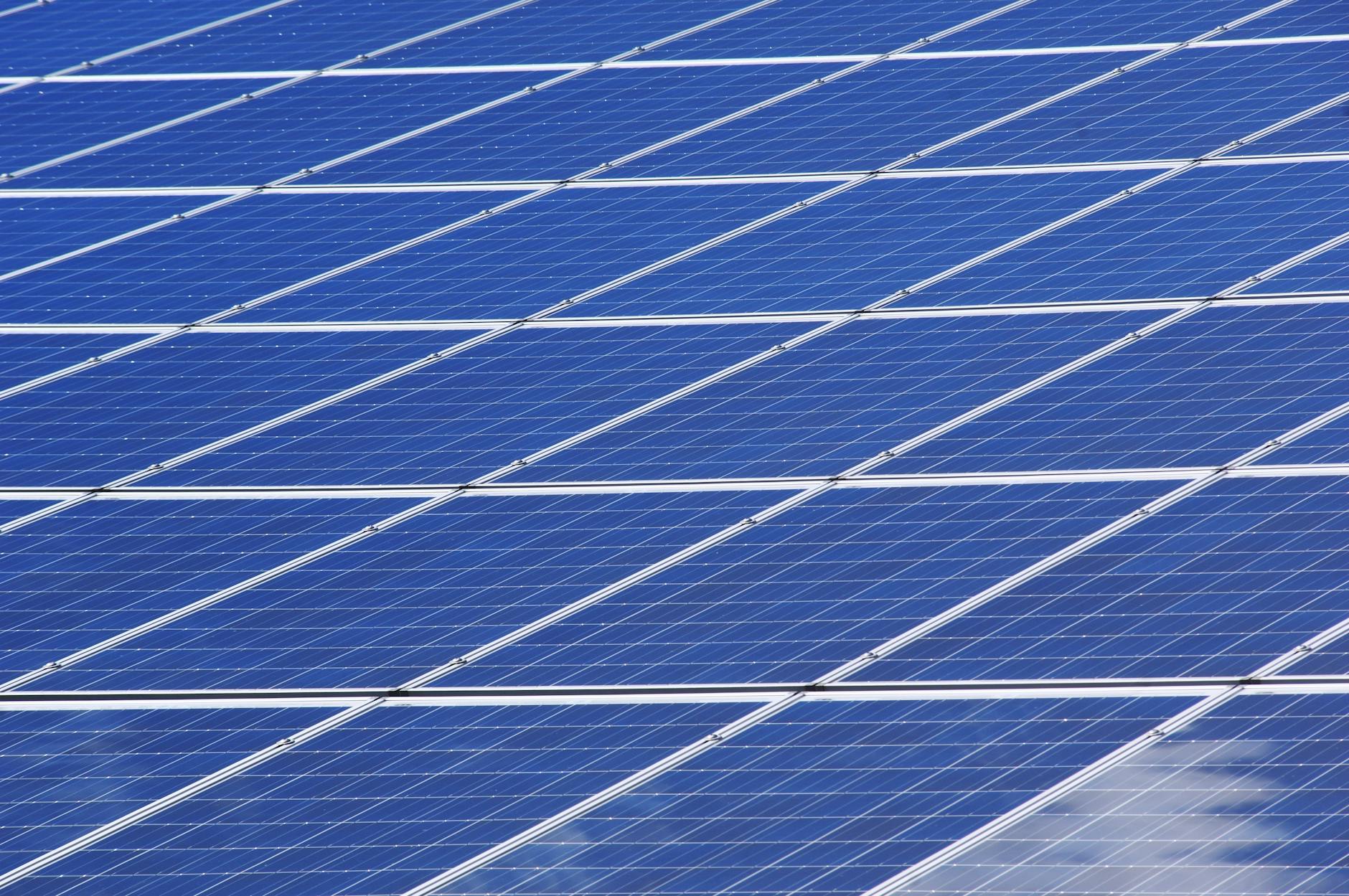

A new scientific breakthrough could dramatically increase the efficiency of solar panels, thanks to a laser-treated material known as “black metal.” Researchers at the National Renewable Energy Laboratory (NREL) in Golden, Colorado, have developed a technique that uses high-powered lasers to etch microscopic patterns into metal surfaces, turning them into ultra-dark, light-absorbing materials.
The result: solar panels that could be up to 15 times more efficient than current models.
“It’s like turning a mirror into a sponge for sunlight,” said Dr. Leila Chen, lead physicist at NREL. “The surface becomes so dark it absorbs nearly 99 percent of incoming light—even in low-light conditions.”
The laser process creates nano-scale ridges and pits on metals such as titanium and aluminum, allowing them to trap light across the entire solar spectrum. This means more sunlight is converted into usable energy, with less loss of reflection or heat.
For Colorado, where solar adoption continues to grow, but winter cloud cover and mountainous terrain can limit performance, the implications are significant. Smaller, more powerful panels could benefit rural communities, off-grid homes, and emergency shelters. The technology could also support the state’s goal of reaching 100 percent renewable electricity by 2040.
However, innovation is not without challenges. The laser fabrication process is currently slow and costly, and researchers are working to scale production and integrate the material into existing solar panel manufacturing.
Despite these hurdles, experts believe commercial applications could emerge within five years, particularly in aerospace, military, and remote sensing sectors.
As climate concerns intensify and energy demands rise, black metal offers a promising glimpse into the future of clean energy—one where solar power is not just sustainable but supercharged.
©️ The Rocky Mountain Dispatch LLC. 2025
Leave a Reply