
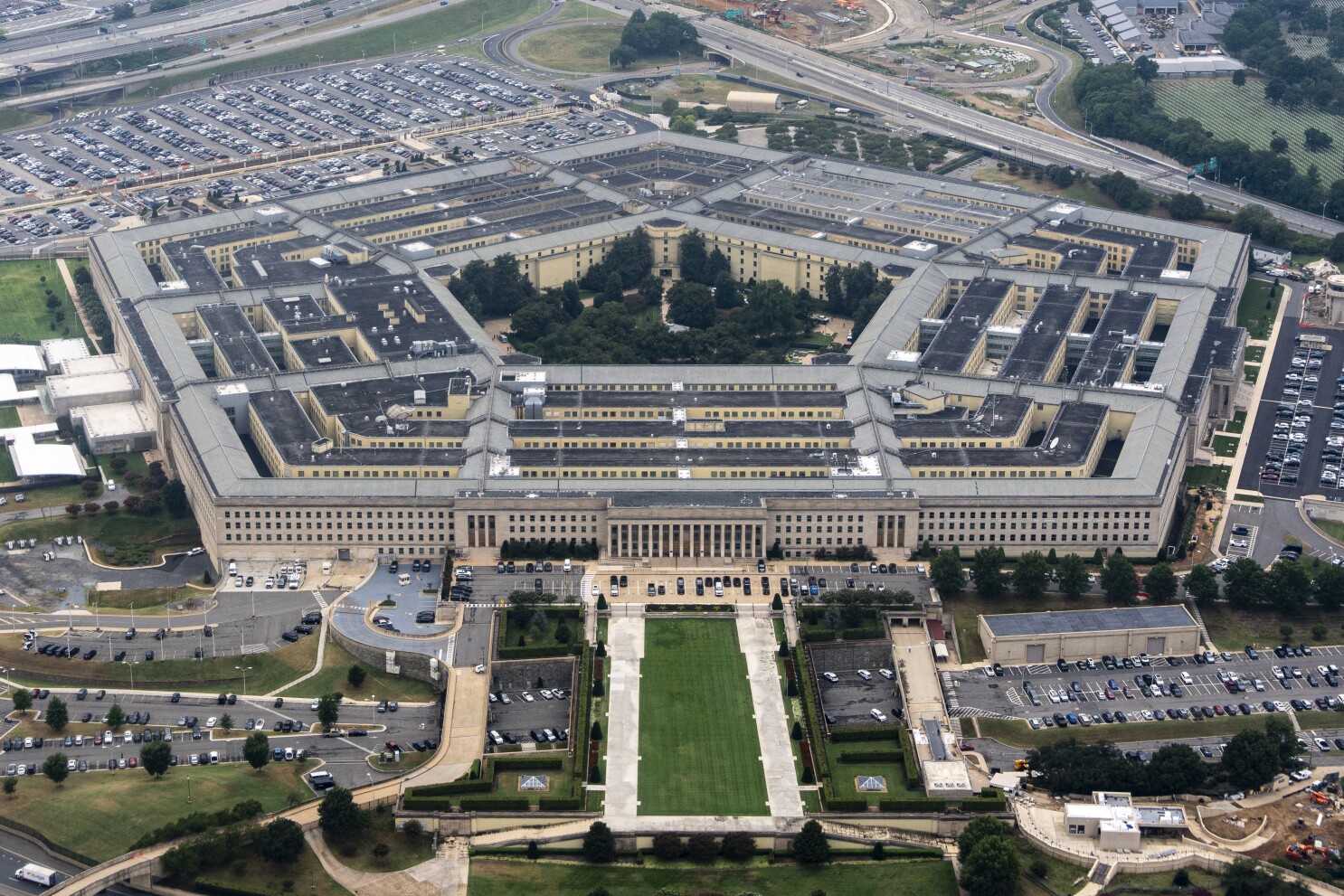

In a move that has stirred both historical reflection and contemporary debate, President Trump signed an executive order this week authorizing the use of the name “Department of War” as a secondary title for the Department of Defense. While the official name remains unchanged, pending congressional action, the symbolic shift is already reverberating through military circles—and Colorado is no exception.
A Name with Weight
The original Department of War was established in 1789 and remained in place until 1947, when post–World War II restructuring led to the creation of the National Military Establishment, later renamed the Department of Defense in 1949. The reintroduction of the “War” title is intended, according to the administration, to reflect a more assertive posture in global affairs and military readiness.
Defense Secretary Pete Hegseth, now also titled “Secretary of War,” has been tasked with evaluating legislative pathways to formalize the change. In the meantime, the name will appear in ceremonial contexts, internal communications, and executive branch materials.
Cultural Ripples in Colorado
Colorado is home to several major defense installations, including Fort Carson, Peterson Space Force Base, Schriever Space Force Base, and the U.S. Air Force Academy. For service members stationed here, the rebranding may prompt introspection about identity, mission, and tradition.
Some veterans and active-duty personnel view the shift as a return to historical clarity—an acknowledgment of the military’s core function. Others worry it could signal a departure from the diplomatic and humanitarian roles that have increasingly defined modern defense strategy.
Military culture is deeply shaped by language. Titles like “defender,” “guardian,” and “peacekeeper” carry weight in recruitment, morale, and public trust. Whether “war” enhances or complicates that narrative remains to be seen.
Public Perception and Civic Dialogue
In Colorado Springs, where military families and civilian communities often intersect, the change has sparked quiet conversations. Local educators, veterans’ groups, and civic leaders are weighing how the rebrand might influence public understanding of military service—especially among youth and new recruits.
For some, the name evokes strength and historical continuity. For others, it raises concerns about messaging and international optics. The Rocky Mountain Dispatch spoke with several residents who expressed mixed feelings: pride in tradition, tempered by caution about symbolism.
What Comes Next
As Congress considers whether to formalize the change, Colorado’s defense community will likely play a role in shaping the national conversation. Whether through public forums, military town halls, or academic panels, the state’s unique blend of strategic relevance and civic engagement positions it as a key voice in the debate.
For now, the rebranding remains symbolic—but symbols matter. In Colorado, where military heritage runs deep, they matter a great deal.
©️ The Rocky Mountain Dispatch LLC. 2025
Leave a Reply