
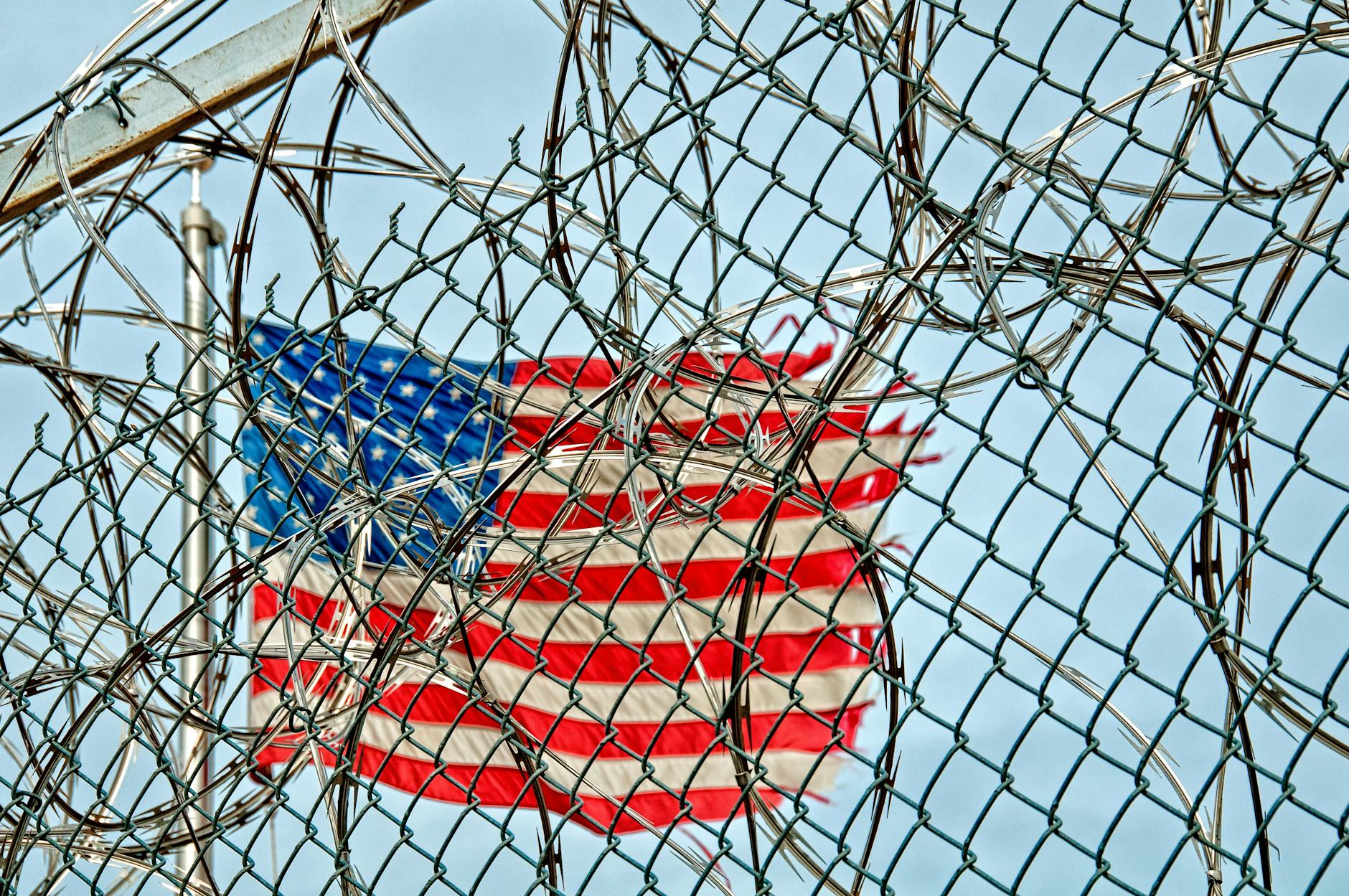

In the modern democratic landscape, freedom is often heralded as the highest virtue—a symbol of progress, autonomy, and human dignity. Yet as societies evolve, a paradox emerges: the very freedoms we celebrate may be undermining the collective security we depend on. This tension is not new, but it has entered a new phase—one shaped by digital hyperconnectivity, ideological polarization, and a growing distrust in institutions.
The Shifting Balance: Liberty vs. Safety
Historically, the balance between liberty and security has been fluid. In times of peace, societies lean toward individual rights; in times of crisis—war, terrorism, pandemics—security takes precedence. But today, the lines are blurred. The rise of surveillance technologies, misinformation, and decentralized platforms has created a landscape where perceived freedoms (e.g., unrestricted speech, data autonomy, resistance to regulation) are increasingly weaponized against the very systems meant to protect us.
Consider the digital realm: the freedom to communicate anonymously online has empowered whistleblowers and activists, but it has also enabled cybercrime, radicalization, and foreign interference. The freedom to reject public health mandates during a pandemic may reflect personal autonomy, but it can also jeopardize communal well-being.
Locke’s Lens: Freedom as a Social Contract
To understand this tension more deeply, we can turn to John Locke, whose writings laid the groundwork for modern liberal democracies. Locke believed that humans are born into a “state of perfect freedom,” governed by reason and natural law. But he also recognized that this freedom, left unchecked, could lead to conflict and insecurity.
In his Second Treatise of Government, Locke argued that individuals consent to form governments not to surrender their liberty, but to secure it. Laws, when just and consensual, are not constraints—they are safeguards. As Locke saw it, “freedom is not what we want to do, but having the right to do what we ought.” True liberty is inseparable from responsibility and communal trust.
This insight is especially relevant today. Many citizens equate freedom with the absence of constraint—an unlimited right to act, speak, or consume. But Locke would caution that without shared norms and impartial enforcement, freedom becomes fragile. Security, in his view, is not the enemy of liberty—it is its foundation.
Polarization and the Erosion of Trust
A key driver of this phase is political polarization. As societies become more ideologically fragmented, consensus on what constitutes “reasonable” security measures erodes. Citizens increasingly view policies through partisan lenses, not communal ones. A study in Germany found that support for civil liberty restrictions varied not only by perceived threat but by political affiliation and trust in policymakers.
This erosion of trust extends to institutions—media, science, law enforcement. When these pillars are viewed as biased or corrupt, even well-intentioned security measures are met with skepticism. The result: a society where freedom is asserted not as a shared value, but as a weapon against perceived enemies.
Toward a New Social Contract
So how do we reconcile this tension? The answer may lie in redefining both freedom and security—not as opposing forces, but as interdependent ideals. As one analysis puts it, “We do not lose liberty by investing in pensions or more police officers, we enhance it.” Security enables freedom, just as freedom demands secure foundations.
This requires a renewed social contract—one that fosters civic education, transparency, and inclusive dialogue. Citizens must be empowered not just to claim rights, but to understand their implications. Governments must be held accountable, but also trusted to act in the public interest. And media must move beyond sensationalism to foster nuanced debate.
Conclusion: Navigating the Paradox
We are not facing a binary choice between freedom and security but a complex negotiation between the two. The phase we’ve entered is marked by heightened awareness, competing narratives, and urgent questions. If we are to preserve both liberty and safety, we must move beyond slogans and toward shared understanding.
Locke reminds us that freedom without structure is fragile. Security without consent is brittle. But together, they can form the backbone of a resilient, just society. Freedom that takes away another’s freedom is not freedom…
Leave a Reply