
In a cosmic twist that has scientists buzzing, the Sun is flaring up with unexpected intensity—challenging long-held predictions about its behavior and sending ripples through Earth’s magnetic field.
NASA’s Solar Dynamics Observatory and researchers at Jet Propulsion Laboratory (JPL) have observed a surge in solar wind speeds, sunspot activity, and coronal mass ejections (CMEs). This uptick comes at a time when the Sun was expected to be entering a quieter phase of its 11-year cycle.
“We thought the Sun was winding down,” said Dr. Lena Morales, plasma physicist at JPL. “Instead, it’s waking up—and it’s louder than expected.”
Key Developments:
– Solar Wind Surge: Earth has been hit with stronger-than-usual solar winds, triggering geomagnetic storms and vivid auroras across northern latitudes.
– Heart-Shaped Coronal Hole: A massive coronal hole—poetically shaped like a heart—funneled high-speed particles toward Earth, lighting up skies and disrupting satellite signals.
– Space Weather Impacts: Power grids, GPS systems, and aviation routes are being monitored closely as solar radiation levels rise.
– Scientific Recalibration: Researchers are revisiting solar models to understand what’s driving this unexpected activity.
What It Means for Earth
While the current solar events aren’t dangerous, they serve as a wake-up call for space weather preparedness. Increased solar radiation can affect astronauts, satellites, and even terrestrial infrastructure. For skywatchers in Colorado and other high-altitude regions, the next few nights may offer rare auroral displays.
> “It’s a reminder that the Sun still holds surprises,” Morales added. “We’re learning in real time.”
—
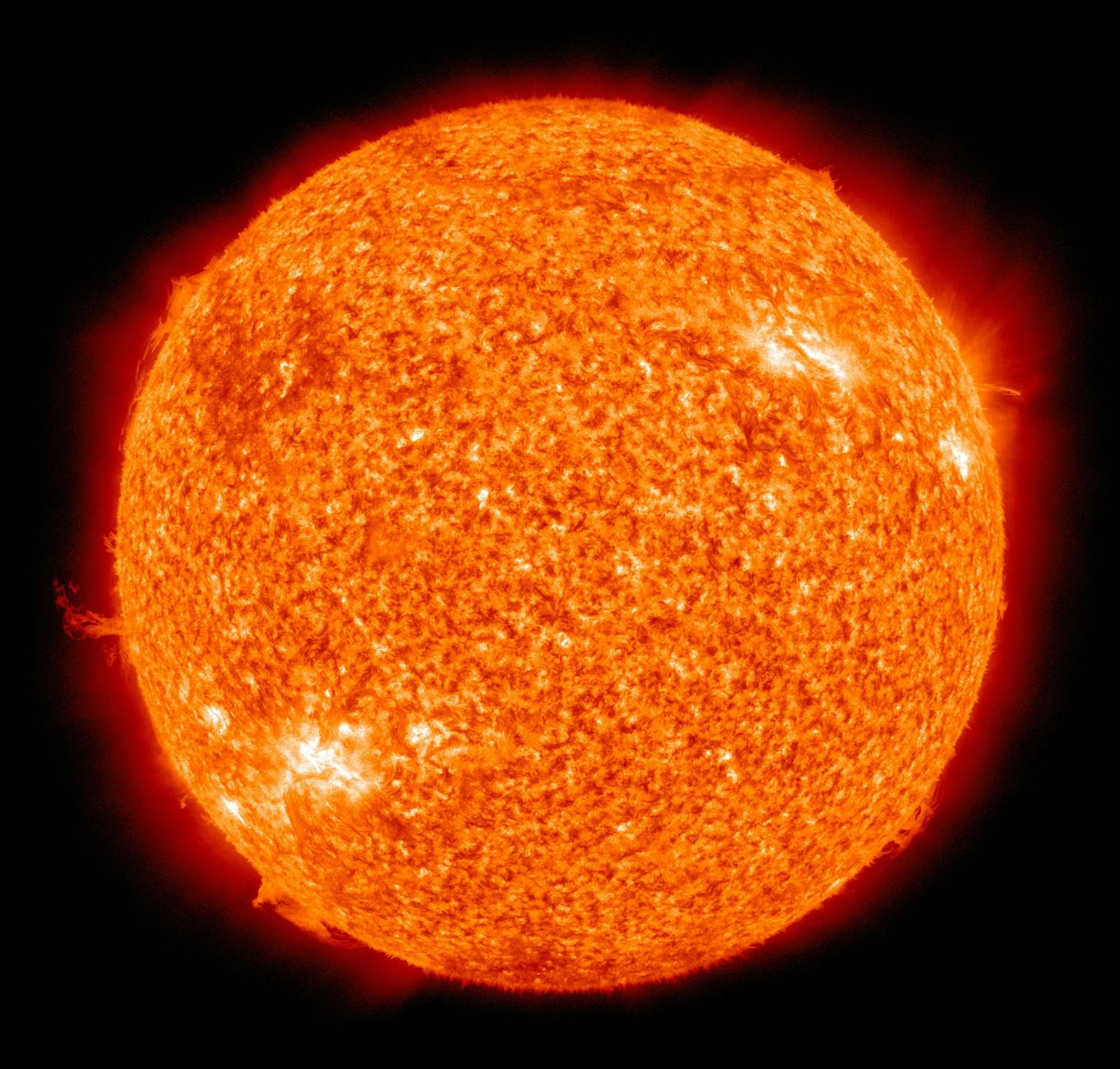
Solar Wake-Up Call: Scientists Stunned as the Sun Defies Expectations
Discover more from
Subscribe to get the latest posts sent to your email.
Astronomy, Astrophysics, aurora borealis, aurora visibility, climate impact, Colorado, coronal hole, cosmic events, Earth magnetosphere, geomagnetic storm, heart-shaped coronal hole, Jet Propulsion Laboratory, NASA, plasma physics, Rocky Mountain Dispatch, satellite disruption, science journalism, science news, solar activity, solar cycle, Solar Dynamics Observatory, solar flare, solar storm, solar wake-up call, Solar Wind, space science, space weather, sunspots
Leave a Reply