
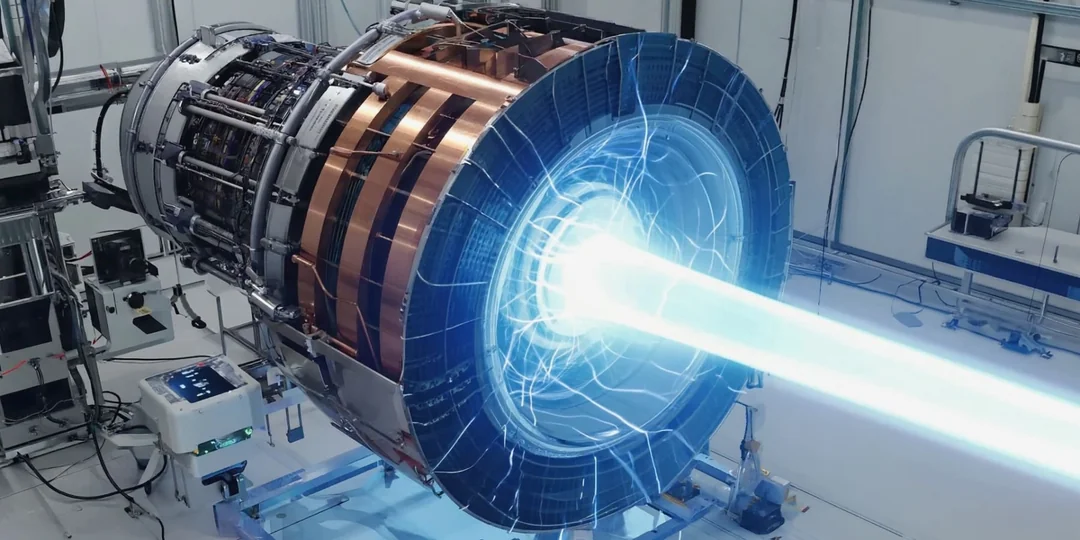
As Russia unveils a new plasma rocket prototype capable of reaching Mars in just 30 to 60 days, the United States finds itself at a crossroads in space propulsion development. The engine, developed by Rosatom and tested in a vacuum chamber simulating space conditions, uses magnetic fields to accelerate hydrogen plasma—offering sustained thrust with minimal fuel. If successful, it could redefine interplanetary travel and shift the balance of technological leadership in space.
The implications are profound. Faster propulsion systems mean shorter mission durations, reduced radiation exposure for astronauts, and more efficient cargo delivery across the solar system. But they also raise a deeper concern: the erosion of American dominance in space innovation.
NASA has made strides with electric propulsion systems such as the Evolutionary Xenon Thruster (NEXT), Hall-effect thrusters, and the Variable Specific Impulse Magnetoplasma Rocket (VASIMR). Yet many of these technologies remain in development or lack full-scale deployment plans. Meanwhile, private sector leaders like SpaceX and Blue Origin continue to focus primarily on launch vehicles, leaving a gap in long-haul propulsion innovation.
This moment demands more than admiration for foreign breakthroughs. It requires a coordinated national response. Federal investment in advanced propulsion research, robust public-private partnerships, and transparent peer-reviewed testing must become strategic priorities. Without them, the United States risks ceding ground in a domain that has long symbolized its technological and exploratory leadership.
Beyond the technical race, ethical considerations loom large. As propulsion systems evolve, so too must the frameworks that govern their use. Space exploration must remain inclusive, cooperative, and grounded in democratic values. That means investing not only in engines, but also in education, diplomacy, and equitable access to the benefits of space.
The stars are not waiting. If the United States intends to lead the next chapter of space exploration, it must treat propulsion innovation as a matter of urgency—not nostalgia. Because in space, speed is not just a luxury—it is a legacy.
Leave a Reply