
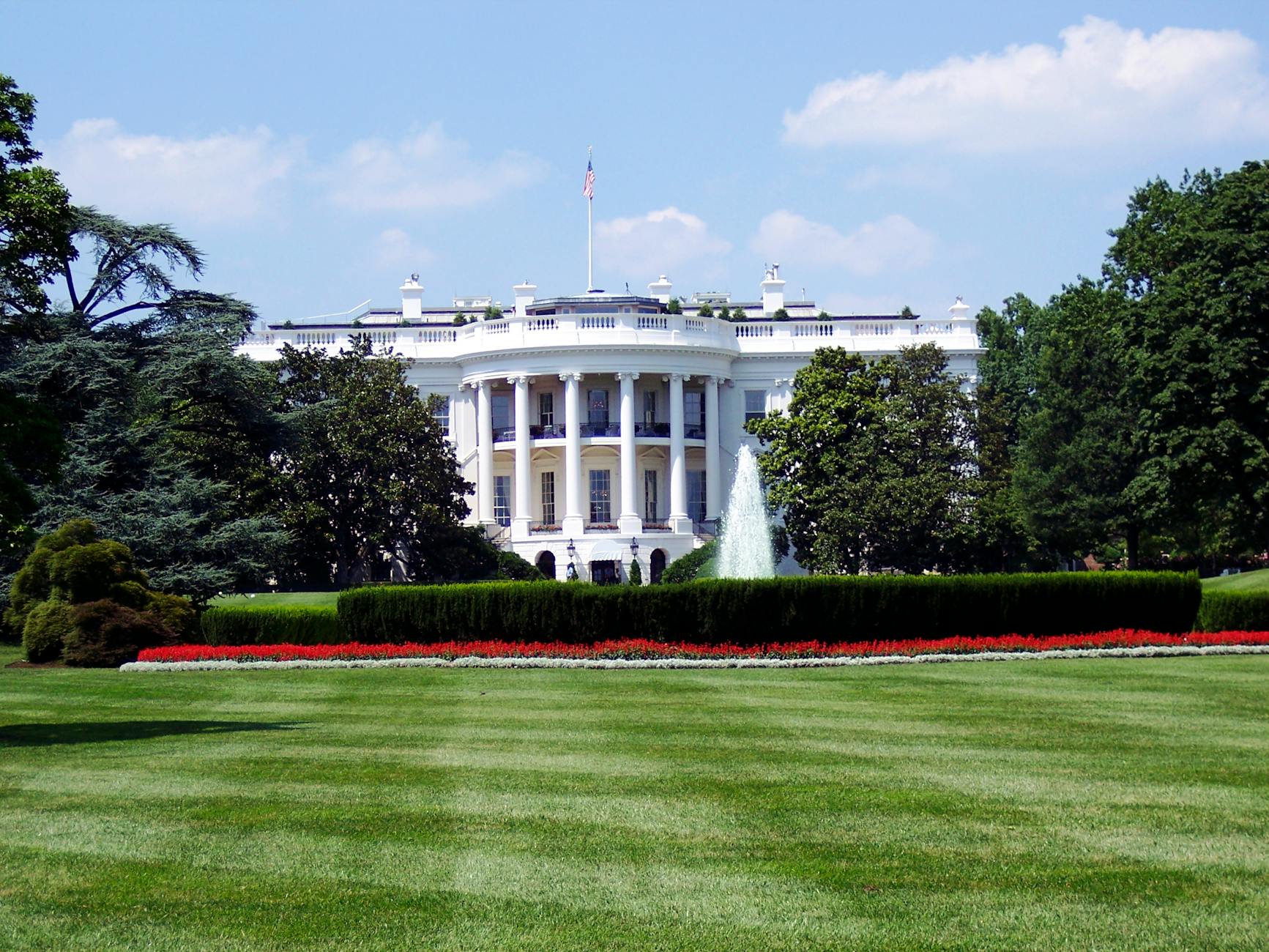
The U.S. government officially shut down at 12:01 a.m. EDT on October 1, 2025, after Congress failed to pass a funding bill for the new fiscal year. The impasse halts operations across multiple federal agencies and furloughs approximately 900,000 employees, with another 700,000 working without pay.
Essential services such as air travel, Social Security, and military operations continue, but programs like WIC, NIH research, and national parks face immediate disruption. The shutdown marks the third under President Donald Trump and follows weeks of stalled negotiations over budget priorities.No resolution is currently in sight. Lawmakers remain divided over spending levels and policy riders, with both chambers adjourned until later this week
Colorado Responds: Emergency Measures and Economic Warnings
Governor Jared Polis has requested $7.5 million in emergency state funding to sustain the WIC nutrition program and is lobbying to keep Rocky Mountain National Park open during peak tourism season. Polis warned the shutdown could push Colorado closer to recession, citing high consumer debt and an $850 million budget shortfall for 2026.
Colorado’s congressional delegation remains sharply divided:
- Rep. Joe Neguse (D) condemned federal threats of mass firings as “absurd.”
- Rep. Gabe Evans (R) blamed Democrats for the impasse and pledged to forgo his own paycheck in solidarity.
El Paso County: Military and Civilian Workers Brace for Impact
Colorado Springs and El Paso County are among the hardest-hit regions in the state:
- Federal Workforce: Over 20,000 federal employees work in El Paso County, with roughly 40% classified as civilian. Many face furloughs or unpaid shifts.
- Military Installations: Fort Carson, Peterson Space Force Base, and the Air Force Academy—El Paso’s top employers—will maintain essential operations but have issued no formal statements. Civilian staff are most vulnerable to pay disruptions.
- Local Services: The Colorado Springs Airport warns of longer TSA lines due to staffing uncertainty. Unemployment benefits are available to furloughed workers, though they will be deducted from eventual back pay.
As the federal shutdown unfolds, Colorado faces a cascade of disruptions—from nutrition programs and national parks to military pay and airport staffing. In El Paso County, where federal employment and defense installations form the backbone of the local economy, the uncertainty is especially acute. With no clear path to resolution in Washington, state leaders are scrambling to cushion the blow, but the longer the impasse lasts, the deeper the impact will run. For thousands of Coloradans, the question now is not just when the government will reopen—but how long recovery will take once it does.
Leave a Reply