
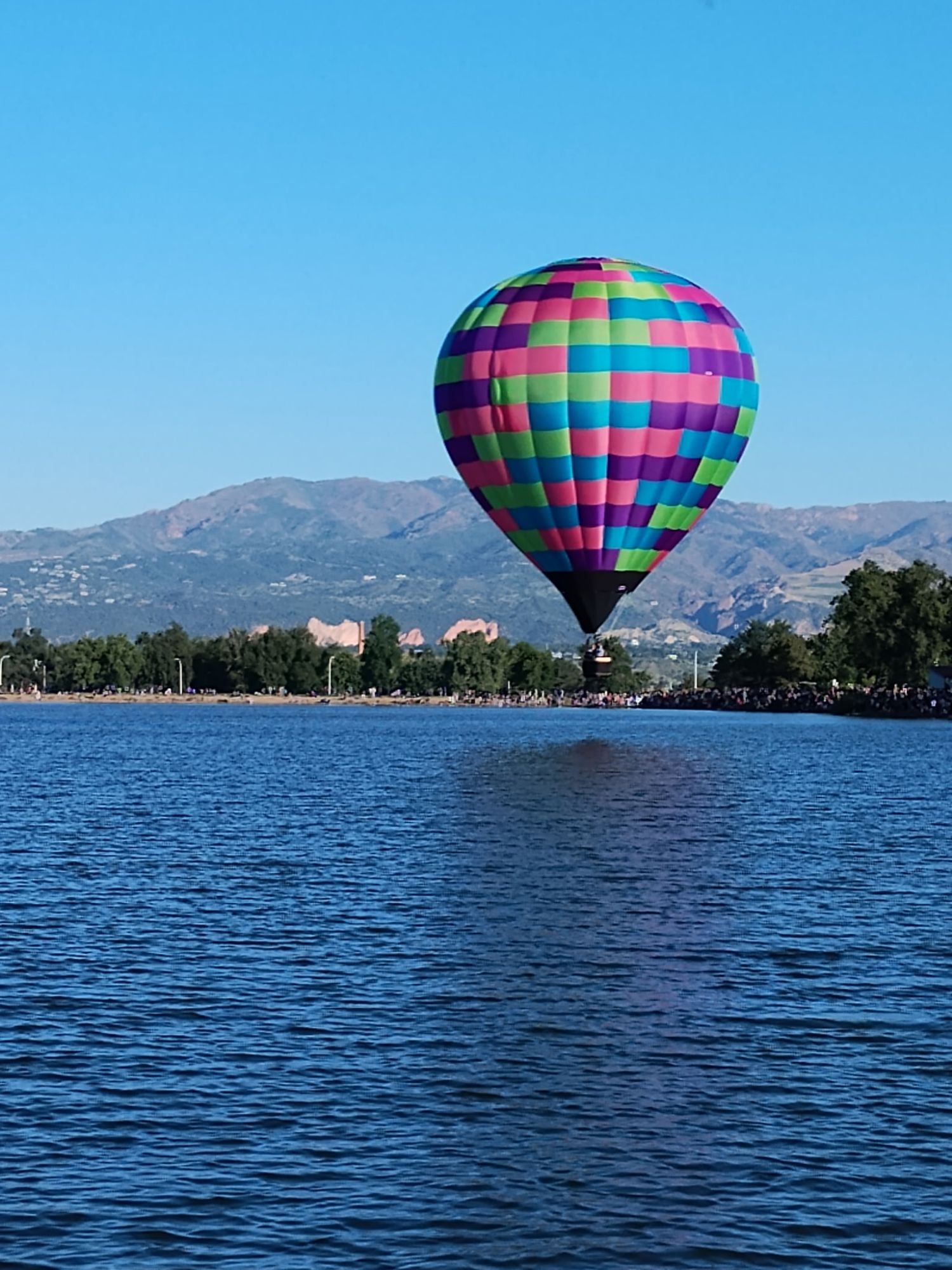
Colorado Springs’ park system is one of the city’s crown jewels—spanning over 9,000 acres of parkland, 135 neighborhood parks, and hundreds of miles of trails. From the sandstone monoliths of Garden of the Gods to the pine-covered ridges of Palmer Park, these public spaces define the city’s character and quality of life. But as the city grapples with a $31 million budget shortfall, questions loom about how long this green legacy can be sustained.
A System Built on Vision and Generosity
The city’s park system owes much to its founder, General William Jackson Palmer, who donated thousands of acres for public use in the late 1800s. His vision of a city interwoven with nature laid the groundwork for iconic parks like Monument Valley, North Cheyenne Cañon, and Palmer Park.
Over time, the system expanded through land acquisitions, state and federal grants, and community support. Today, it includes everything from manicured playgrounds to rugged open space preserves, serving residents and tourists alike.
Budget Pressures and Strategic Cuts
In his 2025 State of the City address, Mayor Yemi Mobolade acknowledged the city’s financial challenges, citing “economic uncertainty due to high interest rates, a rising cost of goods and materials, and historically low consumer confidence.” He emphasized that “our city’s general fund revenue is directly tied to consumer spending,” which has plateaued.
The city has responded with furloughs, hiring freezes, and the closure of the Meadows Park Community Center—a move expected to save $750,000. While public safety remains a top priority, Mobolade stated in July that parks would be spared the brunt of the cuts, unlike during the 2008 recession.
Still, discretionary spending on equipment and maintenance has been limited. Parks Director Britt Haley confirmed that the department is operating with lean staffing and has shifted resources to prioritize essential services.
Federal and State Support: Uncertain Terrain
Colorado Springs has historically benefited from federal programs like the Land and Water Conservation Fund (LWCF), which channels offshore oil and gas royalties into park and land conservation. However, a September 2025 order from Interior Secretary Doug Burgum introduced new restrictions, prioritizing acquisitions by the National Park Service and U.S. Fish and Wildlife Service over the Bureau of Land Management. Critics argue this could hinder local projects and politicize land transfers.
At the state level, Great Outdoors Colorado (GOCO)—funded by lottery proceeds—continues to support outdoor initiatives. In 2025, GOCO awarded nearly $7 million in open space grants statewide, but competition remains fierce and urban parks face challenges in securing funds.
Community Response and Resilience
Despite fiscal headwinds, local nonprofits and volunteers have stepped up. Organizations like Trails and Open Space Coalition and Friends of Garden of the Gods continue to organize cleanups, trail repairs, and fundraising efforts. The city’s Parks Department also added a new maintenance technician in 2025 to support neighborhood parks, including the newly opened Grey Hawk Park.
What’s at Stake
Beyond recreation, parks contribute to public health, climate resilience, and economic vitality. Colorado Springs welcomed 25.5 million visitors in 2024, generating $3.1 billion in spending—much of it tied to outdoor attractions. As Mobolade noted, “Our tourism economy continues to soar,” but sustaining it requires investment in the very spaces that draw people in.
The city’s 2025 budget includes $45.3 million for Parks, Recreation and Cultural Services—a modest increase over 2024, but one that relies on rebudgeted savings and reserve funds. Whether that will be enough to maintain the system’s integrity remains to be seen.
SIDEBAR: Meadows Park Closure Sparks Community Concern
In July 2025, the City of Colorado Springs announced the closure of the Meadows Park Community Center, citing a need to save $750,000 amid a $31 million general fund shortfall. The center, located in the Stratton Meadows neighborhood, had served as a hub for youth programs, senior activities, and community events.
Mayor Yemi Mobolade acknowledged the difficulty of the decision, stating, “We know this will impact families and residents who rely on these services, and we’re working to identify alternative programming options.”
The Parks Department has pledged to maintain the adjacent Meadows Park itself, but residents worry that the loss of the center will erode neighborhood cohesion. Local nonprofit leaders have called for increased transparency and community input in future budget decisions.
| Category | Allocation | Notes |
| Parks, Recreation & Cultural Services | $45.3 million | Includes operations, maintenance, and cultural programming |
| Capital Improvements | $6.2 million | Focused on trail repairs, irrigation upgrades, and facility renovations |
| Staffing and Personnel | $28.1 million | Includes salaries for maintenance crews, rangers, and administrative staff |
| New Park Development | $2.5 million | Includes Grey Hawk Park and planning for future sites |
| Community Centers | $3.1 million | Reduced due to Meadows Park closure |
| Volunteer and Partnership Programs | $500,000 | Supports nonprofit collaborations and public engagement |
Sources: City of Colorado Springs FY2025 Budget Summary, Parks Department Allocation Report, Mayor’s July 2025 Budget Briefing
Leave a Reply