
Colorado’s ambitious wolf reintroduction program has hit a significant regulatory snag. In late October 2025, the U.S. Fish and Wildlife Service issued a directive halting the importation of wolves from Canada and Alaska, citing legal limitations under the 10(j) rule of the Endangered Species Act. This rule governs experimental populations of endangered species and restricts their geographic origin when introduced into new habitats. As a result, Colorado Parks and Wildlife must now source wolves exclusively from the Northern Rocky Mountain population within the lower 48 states, such as Idaho, Montana, and Wyoming.
The timing of this federal intervention is critical. Colorado voters narrowly approved Proposition 114 in 2020, mandating the reintroduction of gray wolves by the end of 2023. The state met that deadline with the release of ten wolves in western Colorado last December. However, the long-term viability of the program depends on genetic diversity and sustained population growth, both of which are now more difficult to achieve under the new sourcing restrictions.
State officials have expressed concern that relying solely on Northern Rockies wolves could limit the genetic pool and complicate future releases. Wolves from Canada and Alaska were previously considered ideal due to their robust health and genetic variation. The federal ruling also raises logistical challenges, as inter-state cooperation with states like Wyoming—historically resistant to wolf reintroduction—may prove politically fraught.
Despite these hurdles, Colorado Parks and Wildlife remains committed to the program. Biologists are monitoring the released wolves via GPS collars and have reported early signs of adaptation and movement across the Western Slope. Public education campaigns continue to emphasize coexistence strategies, livestock compensation programs, and ecological benefits of apex predator restoration.
The broader debate over wolf reintroduction reflects deeper tensions between federal wildlife policy, state autonomy, and rural livelihoods. Advocates argue that wolves play a vital role in restoring ecological balance, controlling elk populations, and revitalizing riparian habitats. Opponents, particularly ranchers and some rural communities, worry about livestock predation and the erosion of local control.
As Colorado navigates these complexities, the wolf reintroduction program remains a symbol of ecological ambition and democratic mandate. Whether it can thrive under new federal constraints will depend on collaboration, compromise, and continued public engagement.
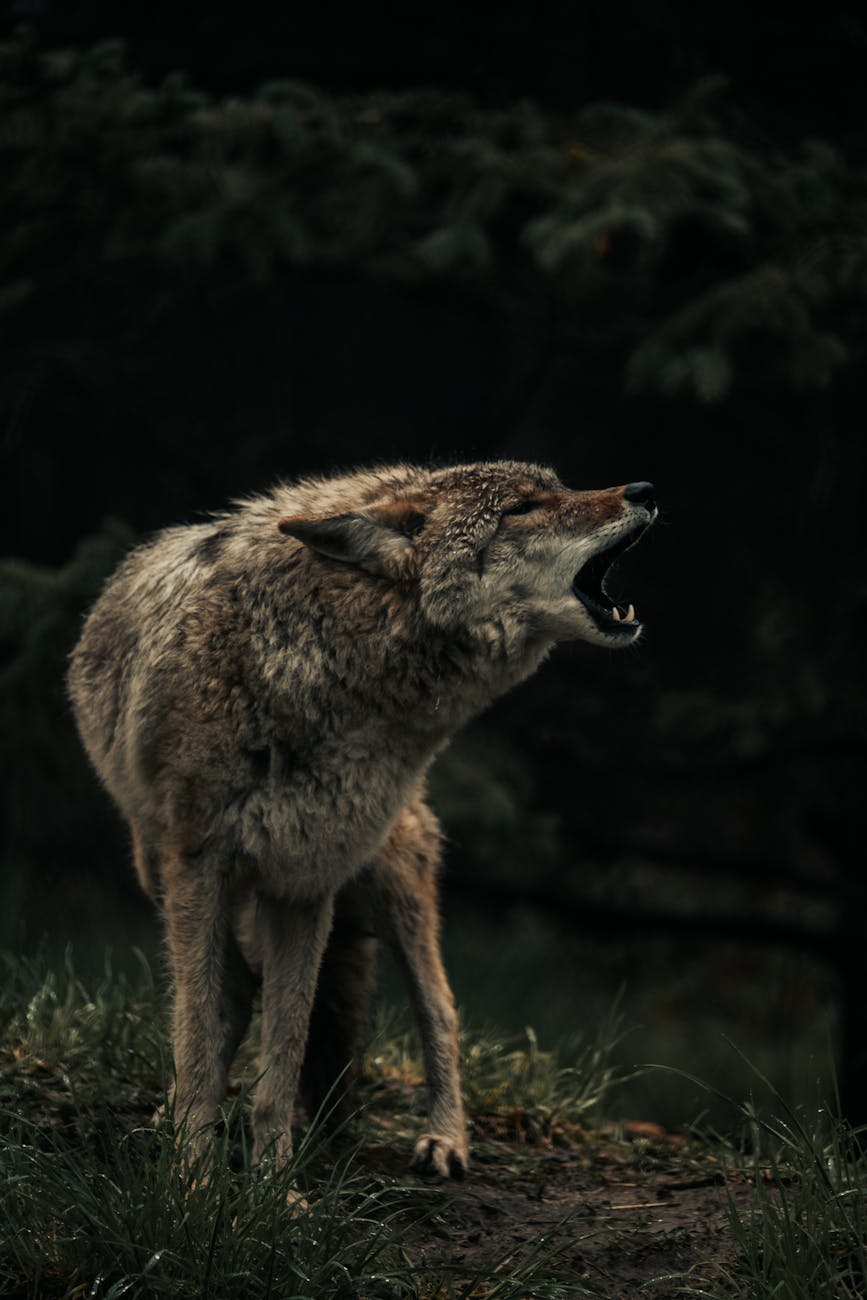
Colorado’s Wolf Reintroduction Faces New Federal Constraints
Discover more from
Subscribe to get the latest posts sent to your email.
apex predators, Colorado, Colorado Parks and Wildlife, ecological restoration, Endangered Species Act, environmental law, federal regulation, livestock management, Northern Rocky Mountains, predator-prey dynamics, Proposition 114, rural communities, Western Slope, wildlife policy, wolf reintroduction
Leave a Reply