
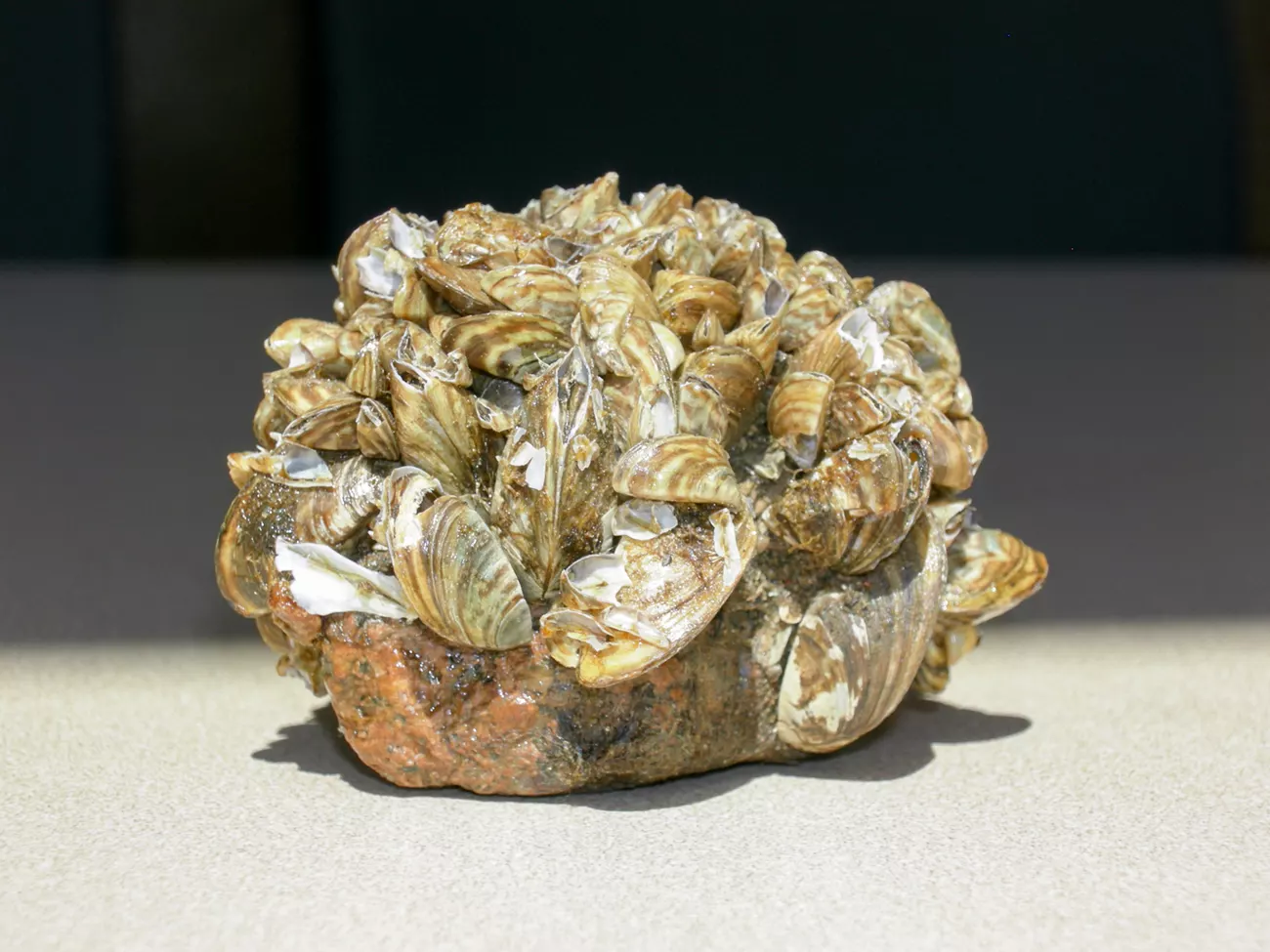
Colorado Parks and Wildlife (CPW) issued a critical announcement today declaring the Colorado River “infested” with invasive zebra mussels. The designation follows the confirmation of adult mussel populations extending from the Eagle River confluence in Glenwood Canyon downstream to the Utah border. This development marks a significant escalation in the state’s efforts to contain the aquatic nuisance species, which now threatens to permanently alter the ecological and economic landscape of Colorado’s most essential waterway.
The presence of reproducing adult mussels in the mainstem of the Colorado River confirms the worst-case scenario for aquatic biologists. Robert Walters, CPW’s Invasive Species Program Manager, addressed the gravity of the situation, noting that while the agency and its partners have worked tirelessly to prevent this spread, the focus must now shift aggressively toward containment and adaptation. Walters emphasized that the primary objective remains protecting uninfested waters and the critical water infrastructure that sustains the state’s agriculture and municipalities.
The Statewide Threat
The “infested” classification indicates that the mussels have established a reproducing population. The biological impact of zebra mussels is profound and often irreversible. These small, freshwater bivalves are prolific filter feeders that strip the water of plankton, the foundational food source for native fish and aquatic life. This disruption can crash local food webs and outcompete native species.
Beyond the ecological damage, the economic stakes are incredibly high. Zebra mussels attach to hard surfaces in massive clusters, capable of clogging hydroelectric turbines, irrigation headgates, and municipal water intake pipes. For water providers across the state, this necessitates expensive retrofitting of facilities and continuous maintenance to scrape and remove the mussels, costs that are inevitably passed down to rate-payers.
The Connection to El Paso County
Although El Paso County sits geographically distant from the Western Slope infestation, the region is hydrologically connected through the state’s complex trans-mountain water diversion systems. A significant portion of the water used in the Pikes Peak region is imported from the Colorado River basin via the Fryingpan-Arkansas Project.
This federal project collects water from the Western Slope and transports it through the Continental Divide to the Arkansas River basin, eventually storing it in reservoirs such as Turquoise Lake, Twin Lakes, and Pueblo Reservoir. The latter serves as a primary water storage facility for Colorado Springs Utilities and other local districts.
The risk for El Paso County is twofold. First is the biological threat of mussels moving through the diversion tunnels or being transported overland by recreational boaters moving between the infested Colorado River and local reservoirs. If zebra mussels were to establish themselves in Pueblo Reservoir or Twin Lakes, they would threaten the infrastructure that delivers drinking water to Colorado Springs.
Second is the financial impact. Colorado Springs Utilities and the Southeastern Colorado Water Conservancy District may face increased operational costs to install advanced filtration or chemical treatment systems to prevent mussel colonization in pipelines and treatment plants. These preventative measures are essential but come with a high price tag that could impact future water rates for local residents and businesses.
Containment and Prevention
In response to the infestation, CPW is expected to ramp up its mandatory watercraft inspection and decontamination stations. The agency continues to stress the “Clean, Drain, Dry” protocol as the most effective defense against the human-assisted spread of the species.
CPW Director Jeff Davis has previously highlighted the importance of public cooperation in these efforts. With the Colorado River now a confirmed vector for the species, the vigilance of every angler, boater, and water user is the primary line of defense preventing the mussels from crossing the divide and taking hold in the waters of El Paso County.
Leave a Reply