
Scientists analyzing samples from asteroid Bennu have uncovered a remarkable collection of organic compounds—molecules that form the foundation of life as we know it. The findings, published in leading journals this year, deepen our understanding of how life’s ingredients may have arrived on Earth and raise profound questions about the universality of biology across the cosmos.
Sugars and Amino Acids in Space
Among the discoveries are glucose and ribose, sugars essential for energy metabolism and RNA formation. Researchers also identified tryptophan, a complex amino acid never before detected in asteroid material. These molecules are critical for biological processes, suggesting that the raw ingredients for life were present in the solar system long before Earth’s biosphere emerged.
A Strange “Space Gum”
Perhaps the most surprising find is a pliable, nitrogen‑rich polymer nicknamed “space gum.” This unusual material has no direct counterpart in terrestrial chemistry and may represent a new form of prebiotic matter. Its presence hints at chemical pathways in space that scientists are only beginning to understand.
Stardust from Ancient Explosions
The samples also contain presolar grains—tiny remnants from ancient supernovae. These cosmic relics confirm that Bennu incorporated material from stars that exploded long before our solar system formed, weaving together a story of cosmic recycling that connects stellar death to planetary birth.
Delivered by OSIRIS‑REx
NASA’s OSIRIS‑REx spacecraft collected the Bennu samples in 2020 and returned them to Earth in 2023. Because the material was sealed and preserved, scientists can study it without contamination, offering the clearest window yet into the chemistry of the early solar system.
What It Means for Us
The discoveries do not indicate life on Bennu itself. Instead, they show that the chemical precursors of life are widespread in space. This supports theories that asteroid and comet impacts may have seeded Earth’s early oceans with the molecules necessary for biology—and suggests that similar processes could occur on other worlds.
e
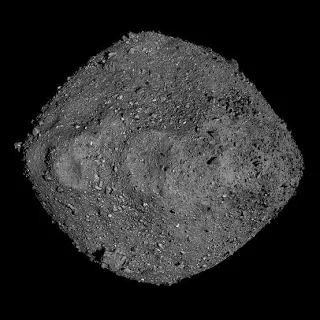
Scientists Discover Building Blocks of Life on Asteroid Bennu
Discover more from
Subscribe to get the latest posts sent to your email.
Leave a Reply