
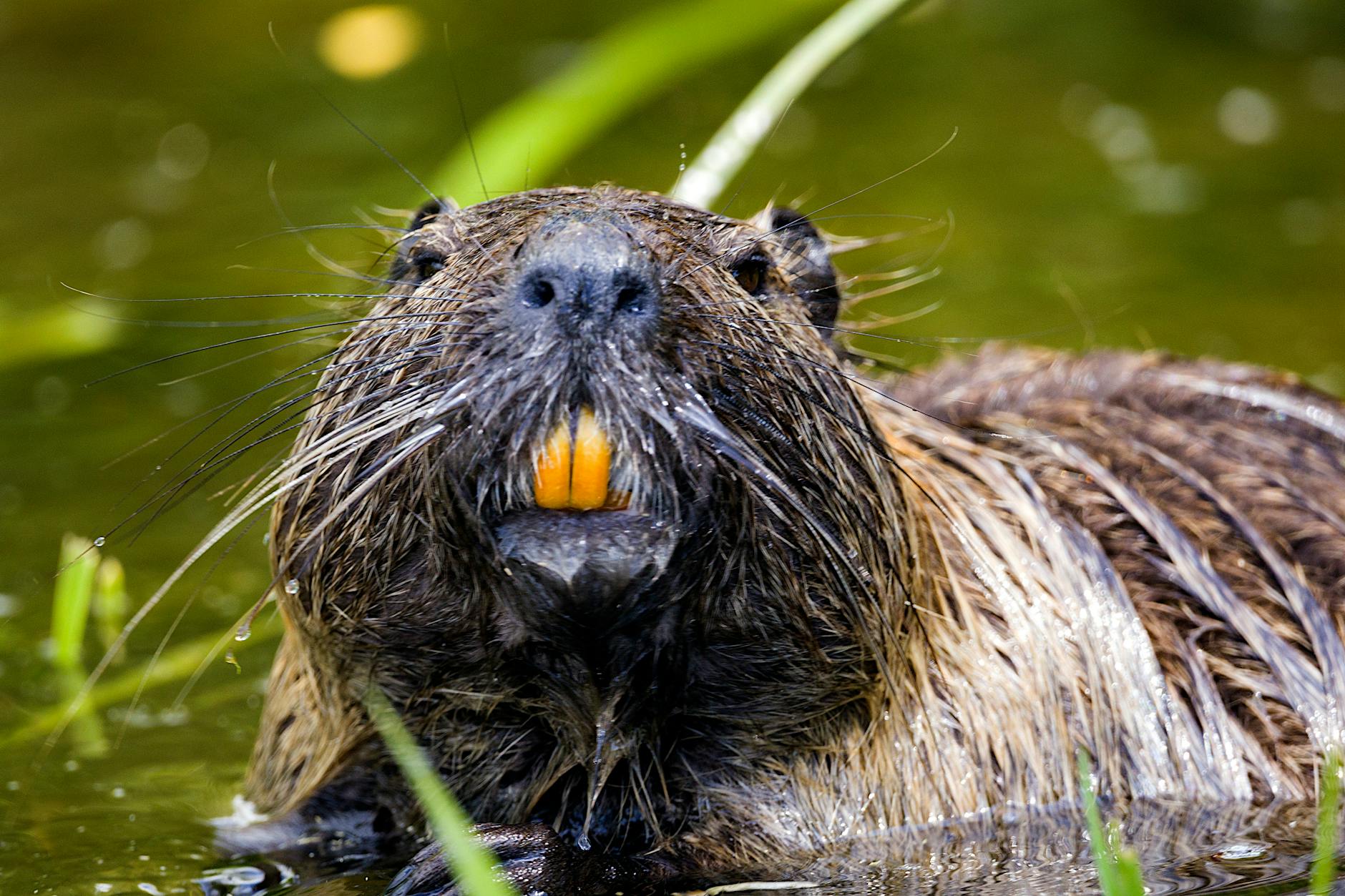
Colorado Parks and Wildlife has unveiled a draft Beaver Conservation and Management Strategy that reframes the beaver not as a nuisance but as a keystone species essential to the health of the state’s rivers, wetlands, and wildlife. Long misunderstood and nearly eradicated in the nineteenth century, beavers are now recognized as ecosystem engineers whose work provides benefits that extend far beyond their own survival.
The central question posed by the strategy is simple: why do we need beavers? The answer lies in their extraordinary ability to reshape landscapes in ways that support water security, biodiversity, and climate resilience. By building dams, beavers slow the flow of rivers and streams, creating ponds and wetlands that store water during dry seasons. In a state where snowpack is declining and droughts are intensifying, these natural reservoirs are invaluable. Wetlands formed by beaver activity filter pollutants, recharge groundwater, and provide critical habitat for fish, amphibians, birds, and mammals. Without beavers, many riparian ecosystems collapse, leaving Colorado more vulnerable to fire, erosion, and habitat loss.
The strategy also highlights the role of beavers in biodiversity. Their dams and ponds diversify stream channels, creating mosaics of wetland and meadow habitats that support species ranging from cutthroat trout to migratory birds. Beaver ponds trap sediment, improving downstream water quality and reducing silt buildup in reservoirs. By spreading water across floodplains, they reduce wildfire risk and help landscapes withstand rising temperatures. In short, beavers provide ecological services that would otherwise require costly human‑built infrastructure.
Colorado Parks and Wildlife emphasizes that coexistence with beavers is possible and necessary. While their dams sometimes flood roads or agricultural fields, the strategy outlines non‑lethal conflict resolution methods such as flow devices, relocation, and habitat management. The plan also calls for population monitoring, restoration opportunities in degraded valleys, and translocation protocols to move beavers into suitable habitats. Public engagement is central to the process, with CPW inviting ranchers, tribes, and residents to provide input before the strategy is finalized.
The Beaver Conservation Strategy represents a turning point in Colorado’s approach to land and water stewardship. By protecting and expanding beaver habitats, the state can harness natural engineering to secure water supplies, restore wetlands, and safeguard biodiversity for generations to come. Beavers do the work of conservation every day, quietly and persistently, and their presence is a reminder that resilience often comes from the smallest and most industrious of creatures.
Colorado’s Beaver Conservation Strategy: Why We Need Beavers and What They Do
Discover more from
Subscribe to get the latest posts sent to your email.
Leave a Reply