
Colorado Parks & Wildlife is entering the spring planning season with a slate of initiatives that reflect both the lingering impacts of last year’s wildfires and the ongoing debates over how the state manages its most iconic species. Agency officials say the next several months will be critical for shaping herd health, habitat recovery, and public engagement as Colorado continues to balance recreation, conservation, and population growth.
One of the most immediate items on CPW’s agenda is a renewed focus on deer herd management. Biologists are preparing updated population models following several years of fluctuating fawn survival rates, drought‑driven habitat stress, and increased human‑wildlife conflict along the Front Range. The agency plans to present early findings at the February 11 sportsperson meeting, where hunters, landowners, and conservation groups will have the opportunity to weigh in on tag allocations and long‑term herd objectives. CPW staff say they expect a robust discussion, particularly in regions where mule deer numbers have struggled to rebound.
Mountain lion management is also set to take center stage. With sightings rising in several counties and public concern growing after a handful of high‑profile encounters, CPW is reviewing its current lion plan to determine whether adjustments are needed. Officials emphasize that the state’s lion population remains stable, but they acknowledge that expanding development into foothill habitat has increased the likelihood of interactions. The February meeting will include an overview of recent research, conflict‑mitigation strategies, and potential updates to harvest guidelines.
Beyond wildlife policy, CPW continues to devote significant resources to post‑fire restoration across thousands of acres burned during the 2025 wildfire season. Crews are working through winter to stabilize slopes, reseed native vegetation, and protect watersheds vulnerable to erosion and debris flows. The agency notes that recovery timelines vary widely depending on elevation, soil conditions, and burn severity, but early assessments show encouraging signs of regrowth in several priority zones. CPW is coordinating closely with local governments and federal partners to ensure that restoration efforts support both ecological health and community safety.
In a lighter development, CPW has opened applications for its annual youth turkey hunt, a program designed to introduce young Coloradans to responsible hunting practices and outdoor stewardship. The event pairs selected youth with experienced mentors and takes place on properties normally closed to the public. Agency staff say the program remains one of their most effective tools for cultivating the next generation of conservation‑minded residents.
As Colorado heads toward spring, CPW’s work reflects the complex reality of managing wildlife in a rapidly changing state. From rebuilding fire‑damaged landscapes to navigating the tensions between public safety and predator conservation, the agency’s upcoming decisions will shape the outdoor experience for communities across the region.
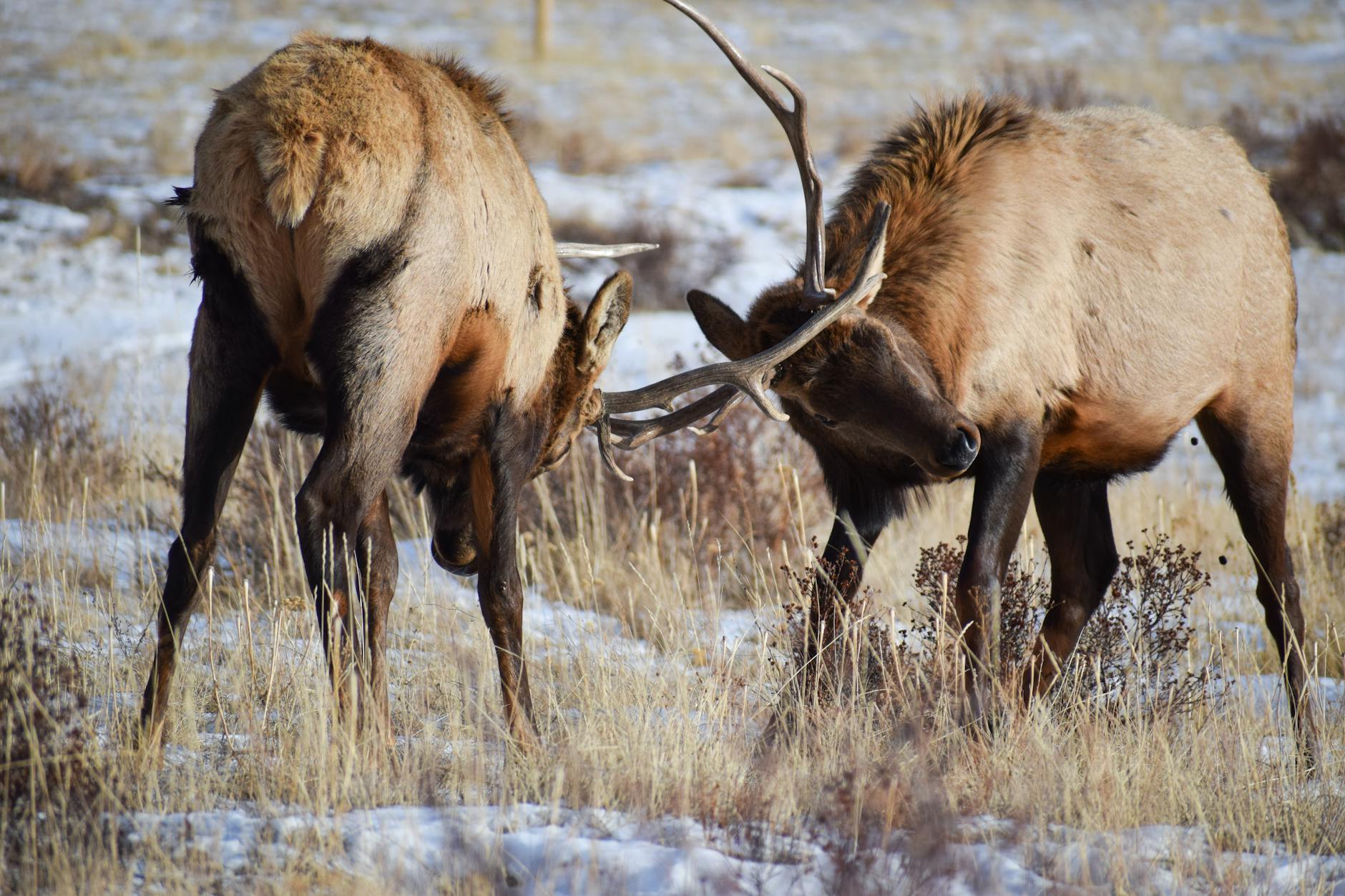
Colorado Parks & Wildlife Outlines New Priorities as Spring Approaches
Discover more from
Subscribe to get the latest posts sent to your email.
Leave a Reply