
Colorado found itself at the center of two major federal rulings this week, each touching on core questions of constitutional rights, state authority, and the role of public institutions. Together, the decisions signal a shifting legal environment that will influence state policy, public media, and the lives of Colorado families for years to come.
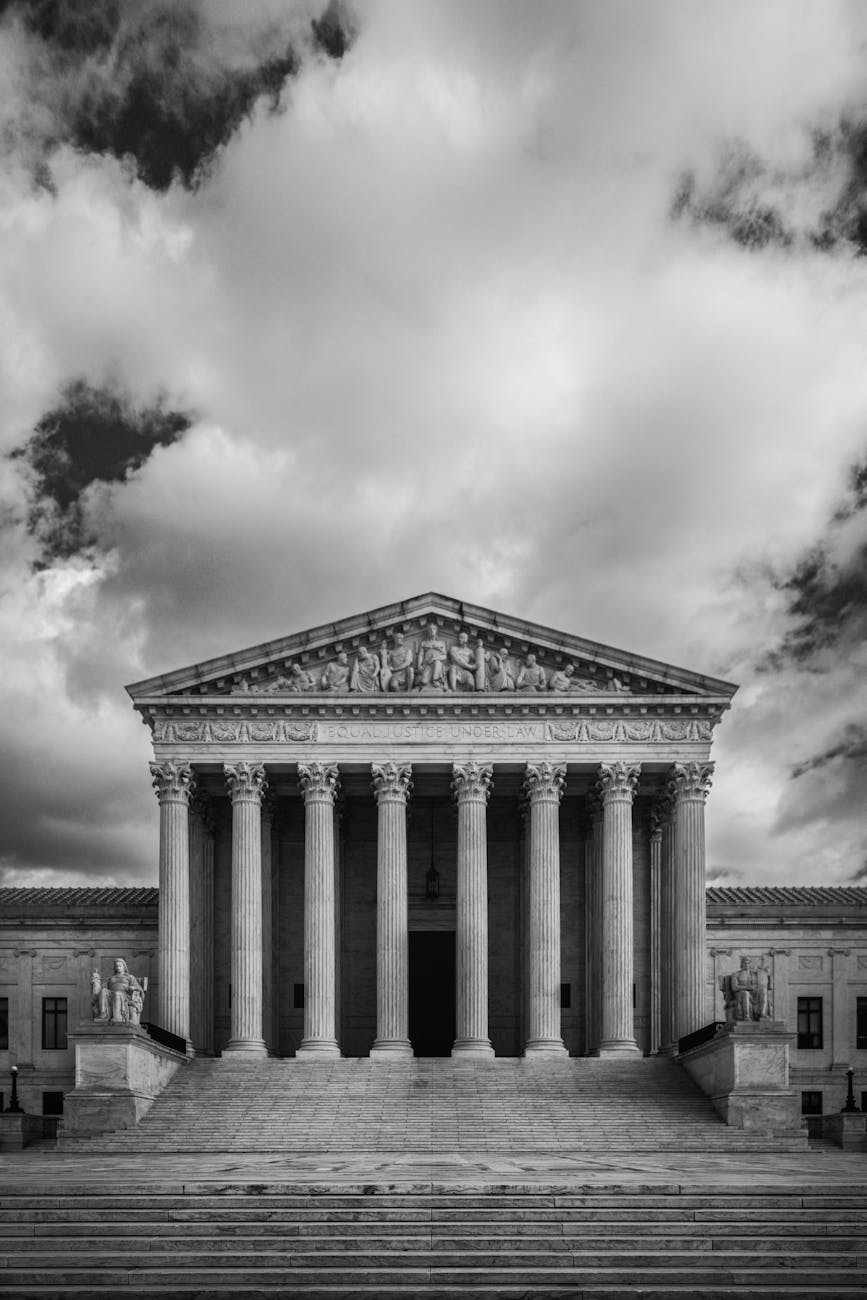
The first ruling came from the United States Supreme Court, which struck down Colorado’s ban on conversion therapy for minors. The law, enacted in 2019, prohibited licensed mental‑health providers from attempting to change a young person’s sexual orientation or gender identity. Supporters of the ban argued that it protected LGBTQ youth from practices widely condemned by medical and psychological associations as harmful and discredited. The Court, however, determined that the law violated the First Amendment rights of a Christian therapist who challenged it, concluding that the state had impermissibly restricted professional speech based on viewpoint. The decision does not immediately eliminate all state oversight of therapeutic practices, but it sends the case back to lower courts under a stricter constitutional standard that will make similar regulations more difficult to defend.
Colorado Attorney General Phil Weiser expressed disappointment with the ruling, warning that it undermines the state’s ability to protect vulnerable youth from coercive or pseudoscientific treatment. Advocacy groups echoed those concerns, noting that the decision could embolden challenges to similar bans in more than twenty states. Supporters of the ruling, meanwhile, framed it as a victory for free speech and religious liberty, arguing that the government cannot dictate the content of conversations between therapists and their clients. The long‑term implications for Colorado’s regulatory authority remain uncertain, but the ruling marks a significant shift in the legal landscape surrounding professional speech and youth protections.
In a separate decision with national reach, a federal judge permanently blocked President Donald Trump’s executive order aimed at cutting off all federal funding to NPR and PBS. The order, issued in 2025, directed federal agencies to treat the broadcasters as ineligible for grants and other federal support, citing objections to their reporting. U.S. District Judge Randolph Moss ruled that the directive violated the First Amendment by singling out the broadcasters for disfavored speech and attempting to impose financial penalties based on their journalism. Moss wrote that the government cannot use its power to retaliate against news organizations for their coverage, calling the order a clear example of unconstitutional viewpoint discrimination.
Although Congress had already approved a rescission package eliminating more than a billion dollars in public‑media funding, the ruling prevents the administration from enforcing the executive order itself. NPR and PBS welcomed the decision, describing it as an affirmation of the role public media plays in serving communities across the country. The administration is expected to appeal, but for now, the ruling reinforces longstanding protections for independent journalism and limits the government’s ability to target specific outlets for political reasons.
For Colorado, the two rulings arrive at a moment when the state is already navigating a series of high‑profile legal disputes involving civil liberties, public institutions, and the boundaries of state authority. The decisions highlight the tension between state‑level policymaking and federal constitutional limits, while also underscoring the judiciary’s role in safeguarding both individual rights and the independence of the press. State officials say they are reviewing next steps in both cases, but the broader political and legal ramifications are likely to unfold over the coming months.
Two Federal Rulings Reshape Colorado’s Legal and Political Landscape
Discover more from
Subscribe to get the latest posts sent to your email.
Leave a Reply