
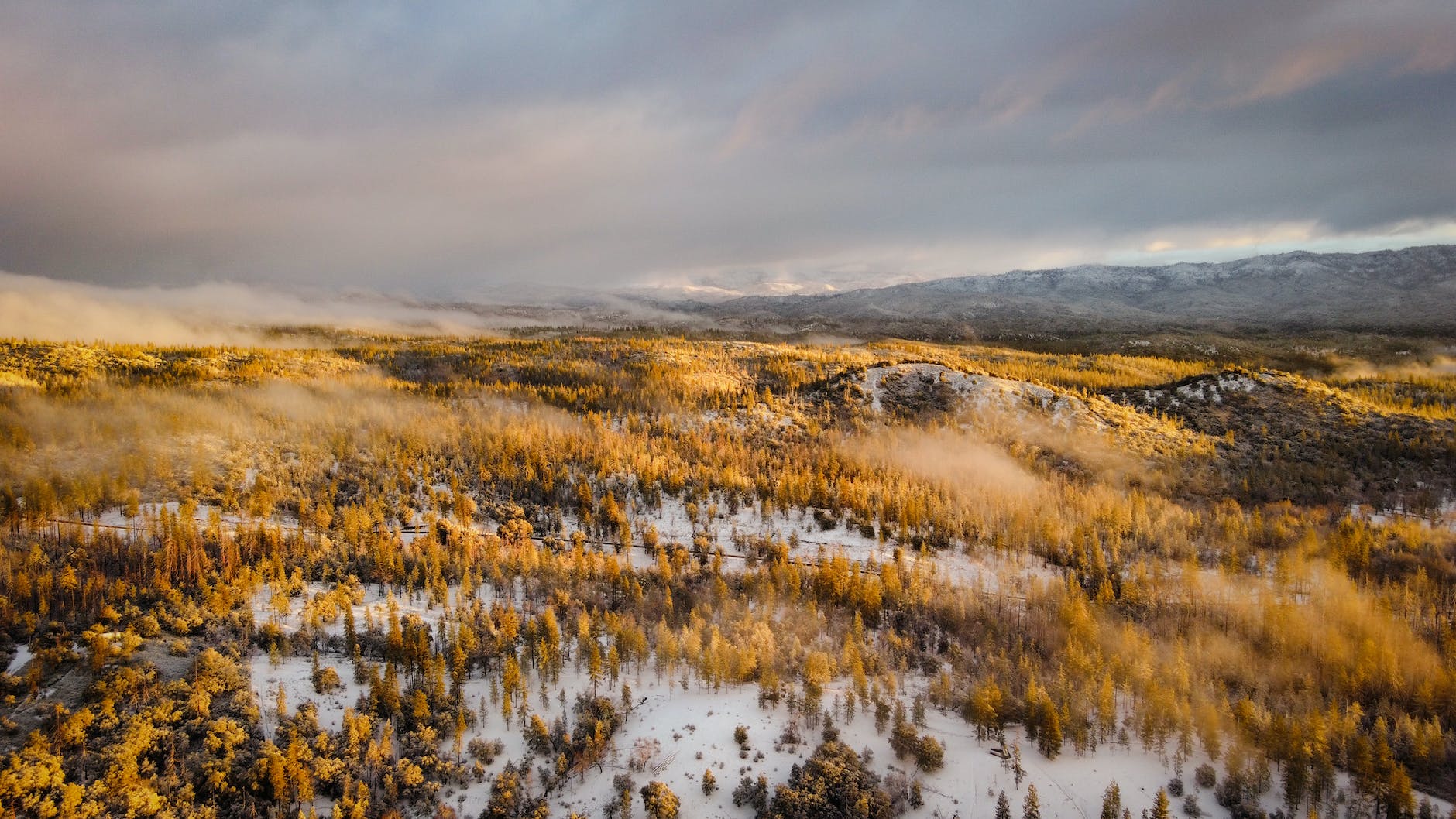

New research from NASA has found that tundra fires in western Alaska are linked to increased methane emissions. The study, published in the journal Nature Communications, is the first to provide a direct link between the two phenomena.
Methane is a potent greenhouse gas, and its emissions are rising rapidly in the Arctic. This is a major concern, as the Arctic is warming twice as fast as the rest of the planet. Tundra fires are another major concern in the Arctic, as they are becoming more frequent and severe due to climate change.
The new study was conducted by a team of scientists working as part of NASA’s Arctic-Boreal Vulnerability Experiment (ABoVE), a large-scale study of environmental change in Alaska and Western Canada. Researchers used data from aircraft campaigns to measure methane emissions over tundra that had been burned by wildfires in the past 50 years.
They found that methane hot spots were roughly 29% more likely to occur in tundra that had been scorched by wildfire compared to unburned areas. The correlation nearly tripled in areas where a fire burned to the edge of a lake, stream, or other standing-water body. The highest ratio of hot spots occurred in recently burned wetlands.
The researchers believe that the link between tundra fires and methane emissions is due to a number of factors. First, fires release methane directly into the atmosphere. Second, fires can damage the permafrost, which can lead to the release of methane that has been stored in the ice for centuries. Third, fires can create microclimates that favor the growth of methane-producing microbes.
The findings of the new study have important implications for our understanding of climate change in the Arctic. Tundra fires are becoming more frequent and severe due to climate change, and this is likely to lead to further increases in methane emissions. This could have a significant impact on global warming, as methane is a much more potent greenhouse gas than carbon dioxide.
In addition to the climate implications, the new findings also have important implications for local communities in the Arctic. Methane emissions can contribute to air pollution and smog, which can have negative impacts on human health. Methane emissions can also lead to the formation of ozone, which can damage plants and animals.
The researchers who conducted the new study say that more research is needed to better understand the relationship between tundra fires and methane emissions. However, they say that their findings suggest that tundra fires are playing a significant role in the increase in methane emissions from the Arctic.
The new research on the link between tundra fires and methane emissions is a significant development in our understanding of climate change in the Arctic. The findings suggest that tundra fires are playing a major role in the increase in methane emissions from the region, which is a major concern given that methane is a much more potent greenhouse gas than carbon dioxide.
The research also has important implications for local communities in the Arctic, as methane emissions can contribute to air pollution and smog, which can have negative impacts on human health. Methane emissions can also lead to the formation of ozone, which can damage plants and animals.
More research is needed to better understand the relationship between tundra fires and methane emissions, but the new findings suggest that this is an important area of study. Given the increasing frequency and severity of tundra fires due to climate change, it is important to understand the full implications of these fires for the environment and human health.
©️ Rocky Mountain Dispatch 2023
Leave a Reply