
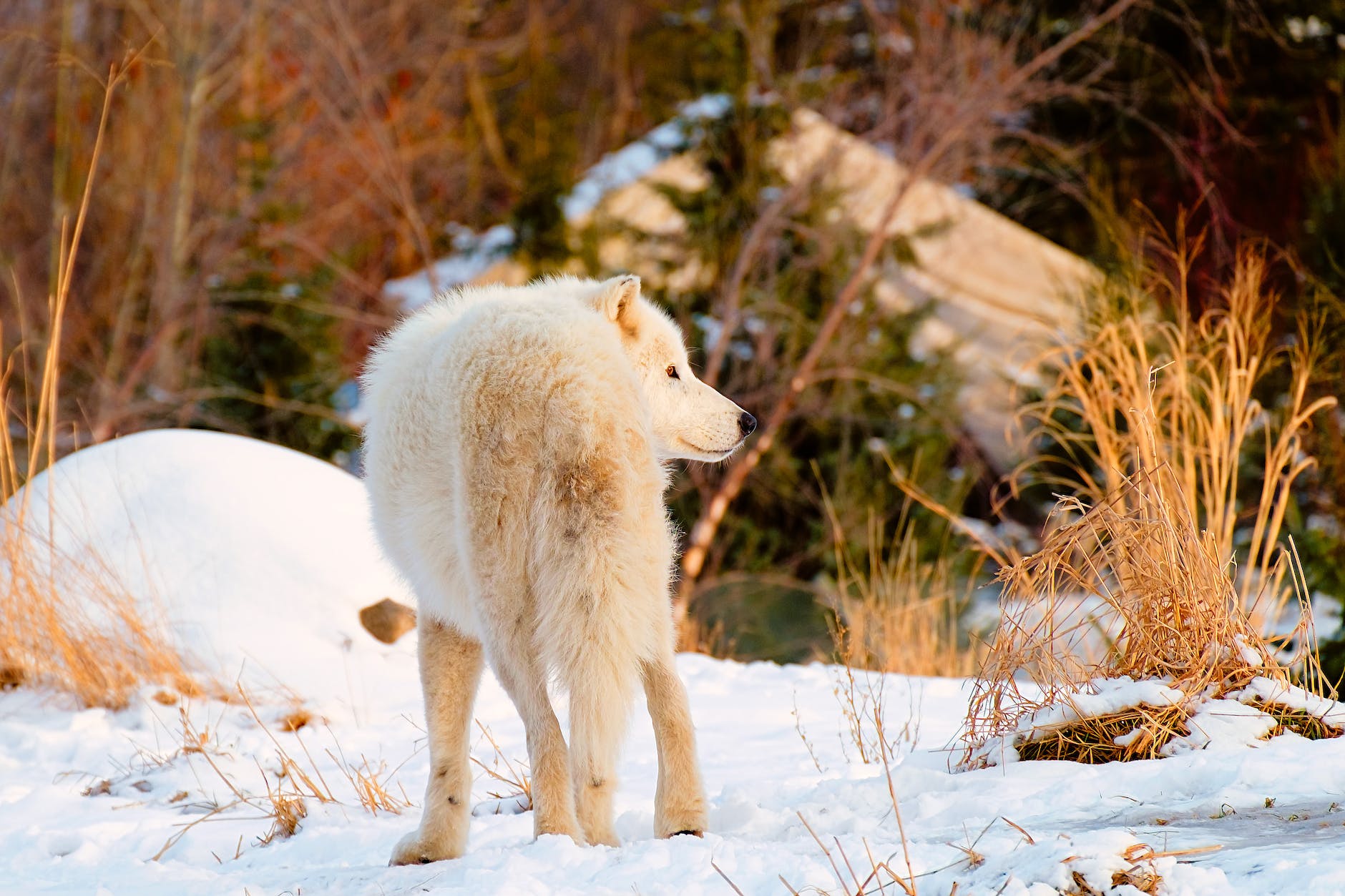

After years of meticulous planning and preparation, the reintroduction of gray wolves to Colorado is now just weeks away. In a significant development, a non-profit organization with ties to Grand Junction has stepped forward to provide crucial air transport services for the animals, offering a helping hand to the state’s wolf restoration efforts.
Colorado Parks and Wildlife (CPW) anticipates initiating the wolf reintroduction process between December 8th and the end of the year. This timeline coincides with the scheduled implementation of a U.S. Fish and Wildlife Service (FWS) rule that will grant the state greater flexibility in managing wolves under the Endangered Species Act (ESA). This flexibility includes the authority to remove wolves in instances of livestock predation.
The initial batch of wolves will be sourced from Oregon, thanks to an agreement between the two states that allows for the relocation of up to 10 wolves to Colorado between December and March. To facilitate this transfer, LightHawk Conservation Flying, a non-profit organization that utilizes volunteer pilots for conservation endeavors, has agreed to transport the captured wolves to Colorado.
Reid DeWalt, CPW’s Assistant Director of Aquatic, Terrestrial, and Natural Resources, expressed gratitude for LightHawk’s involvement, acknowledging the organization’s significant contribution to the wolf reintroduction effort. LightHawk’s volunteer pilots will bear the costs of transporting the wolves, with the state likely making a small donation to the organization.
DeWalt also emphasized that CPW is exploring additional wolf source sites to potentially reach a target of 12 to 15 wolf releases this winter. The initial releases are expected to take place in the Glenwood Springs/Aspen/Vail region. While Wyoming, Idaho, and Montana were unable to provide wolves for reintroduction, potential sources include the Nez Perce Tribe in Idaho and the state of Washington, though Washington has indicated that it cannot provide wolves until next year. Canada is also being considered as a potential wolf source for future reintroduction efforts.
The pace of reintroduction will depend heavily on weather conditions in Oregon, as CPW relies on snowy conditions to slow the wolves’ movement, making them easier to capture using helicopters. Ground conditions in Oregon will also determine whether all 10 wolves sourced from there are released in Colorado next month or if some releases are delayed until conditions improve.
In preparation for the wolves’ arrival, CPW officials have been engaging with livestock producers, educating them about wolf-livestock conflict prevention strategies and outlining the compensation process for livestock losses caused by wolf predation. Additionally, CPW and the Colorado Department of Agriculture (CDA) have announced a collaborative effort to manage wolf reintroduction and minimize livestock conflicts. The agencies will work together to develop and share prevention strategies and provide support to agriculture producers and landowners during the reintroduction process.
Kim Bean, Vice President of the wolf advocacy group Wolves of the Rockies, emphasized the importance of non-lethal measures in addressing wolf-livestock conflicts. She assured livestock communities that her organization and others are prepared to assist them in adopting proactive measures rather than reactive responses.
Dallas May, a rancher and Chairman of the CPW Commission, echoed Bean’s sentiment, highlighting the involvement of various organizations, including the Western Landowners Alliance, in promoting conflict prevention and non-lethal control measures. He emphasized the collaborative efforts underway to ensure the success of the wolf reintroduction plan.
As Colorado moves closer to realizing the long-awaited restoration of gray wolves to its landscapes, the contributions of organizations like LightHawk Conservation Flying and the commitment to non-lethal conflict prevention measures underscore the growing consensus on making wolf reintroduction a success for both wildlife and the communities that share their habitat.
©️ Rocky Mountain Dispatch 2023
Leave a Reply