
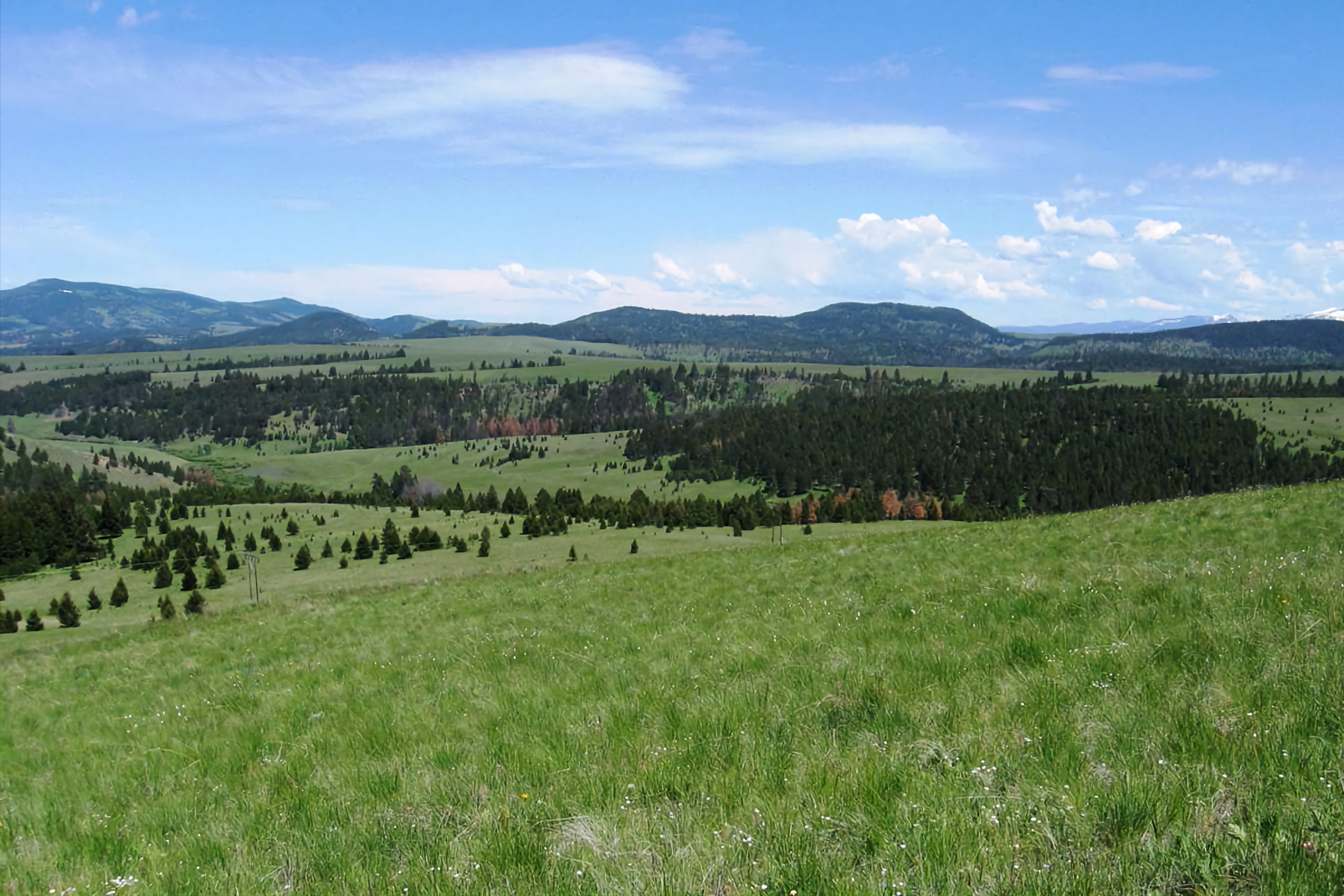

A Montana proposal to utilize livestock grazing within the Spotted Dog Wildlife Management Area (WMA) in a way that benefits both wildlife and local ranchers is drawing scrutiny and sparking conversations about finding common ground in land management. The draft Environmental Assessment (EA) released by Montana Fish, Wildlife & Parks (FWP) outlines a framework for grazing agreements with neighboring landowners, along with plans for developing water sources for livestock within the WMA.
While the idea of grazing on a wildlife area might raise eyebrows, the proposed plan emphasizes a unique approach: regenerative grazing practices, which prioritize short-term rotations followed by rest periods, aim to improve soil health and grassland habitat, ultimately benefiting a wider range of species. Furthermore, grazing would be restricted to specific areas deemed suitable for wildlife habitat enhancement, as identified in the WMA’s existing habitat plan.
Perhaps the most innovative aspect of the proposal is the concept of “exchange of use agreements.” This involves allowing ranchers to rest their own private lands adjacent to the WMA in exchange for grazing opportunities on the WMA itself. This creates a larger, interconnected landscape where habitat conservation takes precedence across diverse ownership boundaries.
To ensure grazing stays within designated zones and minimizes impact on sensitive areas like streams and wetlands, the plan proposes utilizing virtual fence technology alongside other monitoring methods. This combination of innovative practices and close oversight aims to maximize positive outcomes for both wildlife and livestock.
The proposed water development plan also focuses on minimizing intrusion into sensitive habitats. By utilizing existing wells and springs in upland areas, the goal is to encourage cattle to disperse away from riparian zones and aspen stands, further protecting critical ecosystems.
FWP acquired the Spotted Dog WMA in 2010 with a multi-pronged mission: safeguarding fish and wildlife habitat, maintaining open landscapes for wildlife movement, fostering public access, and restoring environmental health in an area historically impacted by mining. This grazing proposal represents a potential pathway to fulfilling these objectives while working collaboratively with local ranchers.
Public input is a crucial element in shaping the final decision on the draft EA, slated for late February 2024. An upcoming public meeting in Deer Lodge on January 30th provides an opportunity for residents to learn more about the plan and voice their opinions. FWP emphasizes its commitment to considering all perspectives before finalizing the plan, showcasing a dedication to transparency and collaboration in navigating the complex terrain of land management in Montana.
The Spotted Dog WMA grazing proposal serves as a reminder that finding solutions for wildlife conservation, sustainable ranching, and community engagement doesn’t require mutually exclusive choices. Through innovative approaches and open dialogue, the potential exists to strike a balance that benefits both nature and the people who depend on it.
©️ Rocky Mountain Dispatch 2024
Leave a Reply