

A contentious bill that seeks to prevent the recognition of legal rights for natural entities is moving swiftly through the Utah Legislature. Supporters of the bill, H.B. 249, argue it is needed to maintain established environmental regulations and protect private property interests. Opponents see it as a pre-emptive attack on local autonomy and a dismissal of alternative approaches to environmental protection.
The ‘rights of nature’ movement has gained momentum globally, with cases in countries like Ecuador, where natural features have been granted legal standing. In the United States, the movement aims to acknowledge bodies of water, ecosystems, or species as having the right to exist and thrive. Several communities across the nation have passed local ordinances to this effect.
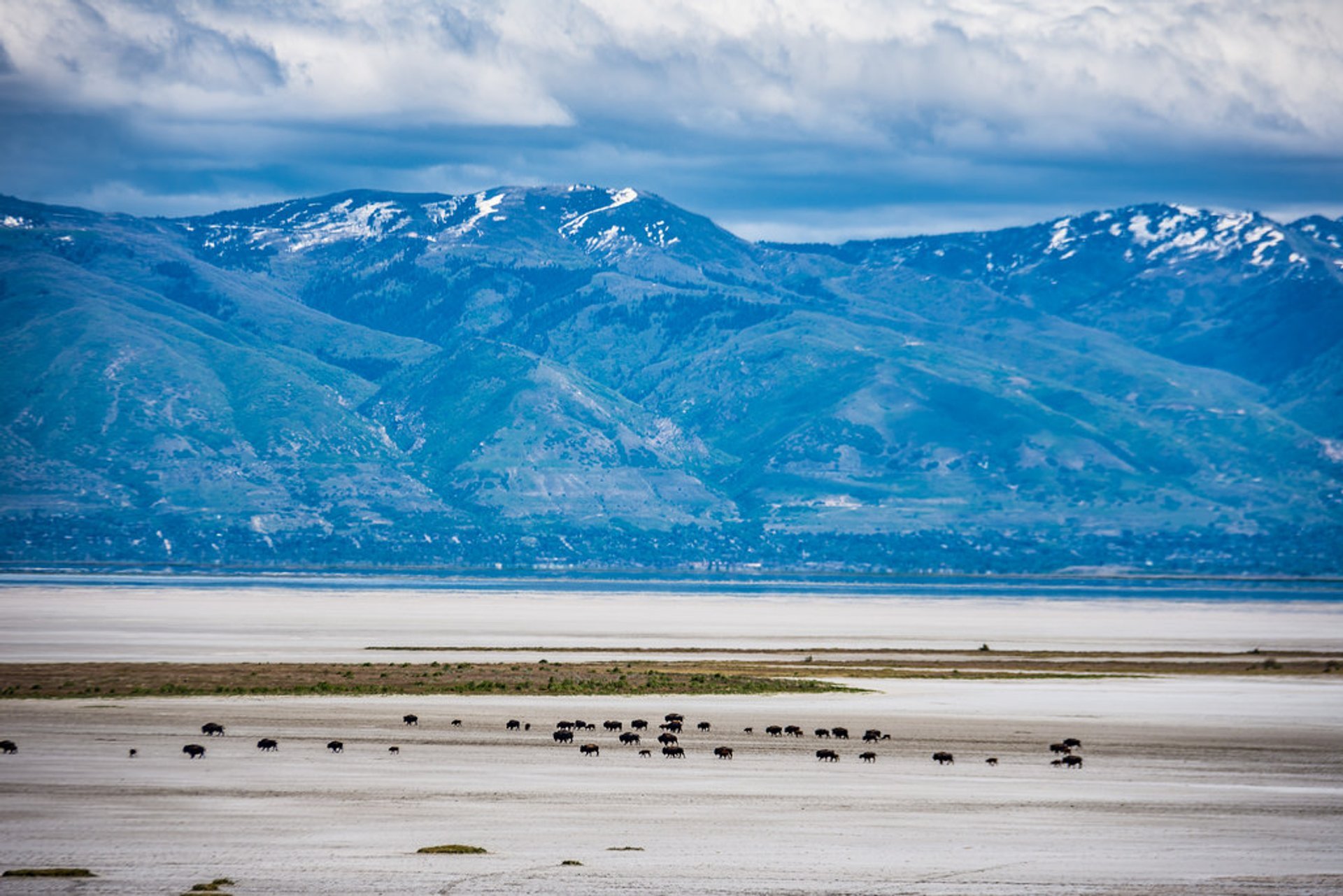
Utah’s bill is a response to a specific local campaign to recognize the Great Salt Lake’s right to exist. The iconic lake faces unprecedented shrinkage, threatening ecological disaster and significant economic disruption. Activists believe a rights-based framework offers a novel approach in the face of worsening conditions.
Proponents of H.B. 249 argue that traditional water management and environmental laws are sufficient. “Granting personhood to natural resources creates confusion and opens the door to frivolous lawsuits,” said Representative Tim Jimenez, the bill’s sponsor. “This protects Utahns from unnecessary and costly litigation.”
Critics paint the bill as an unwarranted overreach of state power. “Local communities should be able to find solutions that work for them,” said Sarah Buckle, coordinator for the Save Our Lake Coalition. “This bill slams the door on innovative legal tools before they can even be explored.”
The debate also intersects with Indigenous perspectives on the natural world, where a less hierarchical and ownership-based relationship with the environment is common. “This bill embodies a worldview that has led to the very crises we face,” noted Daniel Nanise, a tribal elder of the Northwestern Band of Shoshone, whose lands border the lake. “It reinforces the idea that humans are separate from nature, rather than a part of it.”
Legal scholars are divided on the potential impact and wisdom of ‘rights of nature’ measures. Some see it as a symbolic tool that could shift public thinking, while others warn of unintended consequences and the difficulty of practically enforcing nature’s rights within existing legal systems.
H.B. 249 is set for a vote in Utah’s Senate in the coming weeks. With issues of water scarcity, environmental degradation, and alternative legal tools only growing in intensity across the West, the bill’s fate is likely to be watched with interest far beyond Utah’s borders.
©️ The Rocky Mountain Dispatch LLC. 2024
Leave a Reply