
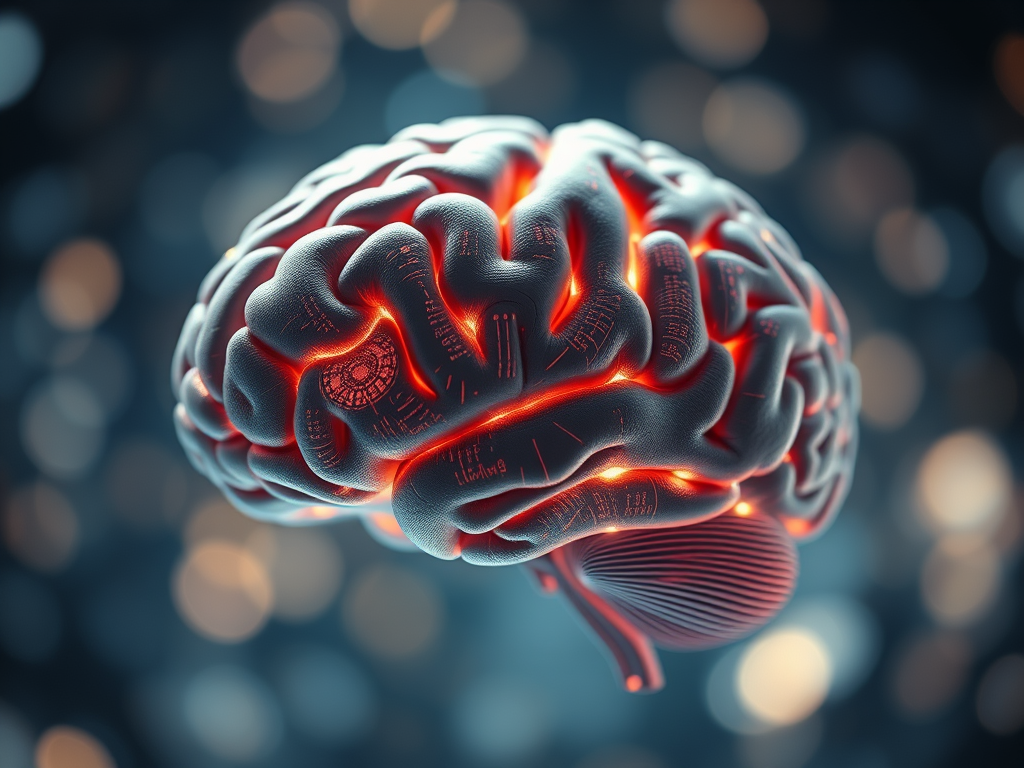

In a groundbreaking discovery that redefines our understanding of memory, scientists have found evidence of a learning effect in non-neural human cells. This finding, published in the journal Nature Communications, challenges the long-held belief that memory is exclusive to the brain and nervous system.
Researchers at New York University conducted experiments on two types of human cells: neuroblastoma cells (derived from nerve tissue) and HEK293 cells (derived from embryonic kidney). They focused on the “massed-spaced effect,” a well-known phenomenon in learning where repeated, spaced-out training sessions lead to stronger memory than a single, intensive session.
To mimic learning in these cells, the team used chemical stimuli that activate specific signaling pathways involved in memory formation. They then measured the expression of a reporter gene as a proxy for “cellular memory.”
Remarkably, both cell types exhibited the massed-spaced effect. Cells exposed to spaced pulses of the chemical stimuli showed stronger and more sustained gene expression compared to those receiving a single, massed exposure. This suggests that even cells outside the nervous system possess a mechanism for encoding and retaining information about past experiences.
“This discovery shows that behaviorally relevant features of cognition can be studied in non-neural cells,” says Dr. Nikolay Kukushkin, the lead author of the study. “It extends the concept of ‘cellular cognition’ beyond neural systems, acknowledging that all cells must extract salient patterns from environmental signals and convert them into stable, longer-term responses.”
The implications of this research are far-reaching. It opens up new avenues for studying the fundamental mechanisms of memory formation, potentially leading to innovative treatments for cognitive disorders. It also raises profound questions about the nature of intelligence and the interconnectedness of the brain and body.
“Our future research will focus on examining how global patterns of cell signaling predict specific memory outcomes,” says Dr. Kukushkin. “Insights gained using our system could be applied to a wide range of real-life learning examples.”
This study is a significant step towards unraveling the mysteries of memory and cognition. It suggests that the ability to learn and remember may be a fundamental property of all living cells, not just neurons. This paradigm shift could revolutionize our understanding of how the brain and body interact to shape our experiences and behaviors.
©️ The Rocky Mountain Dispatch LLC. 2024
Leave a Reply