
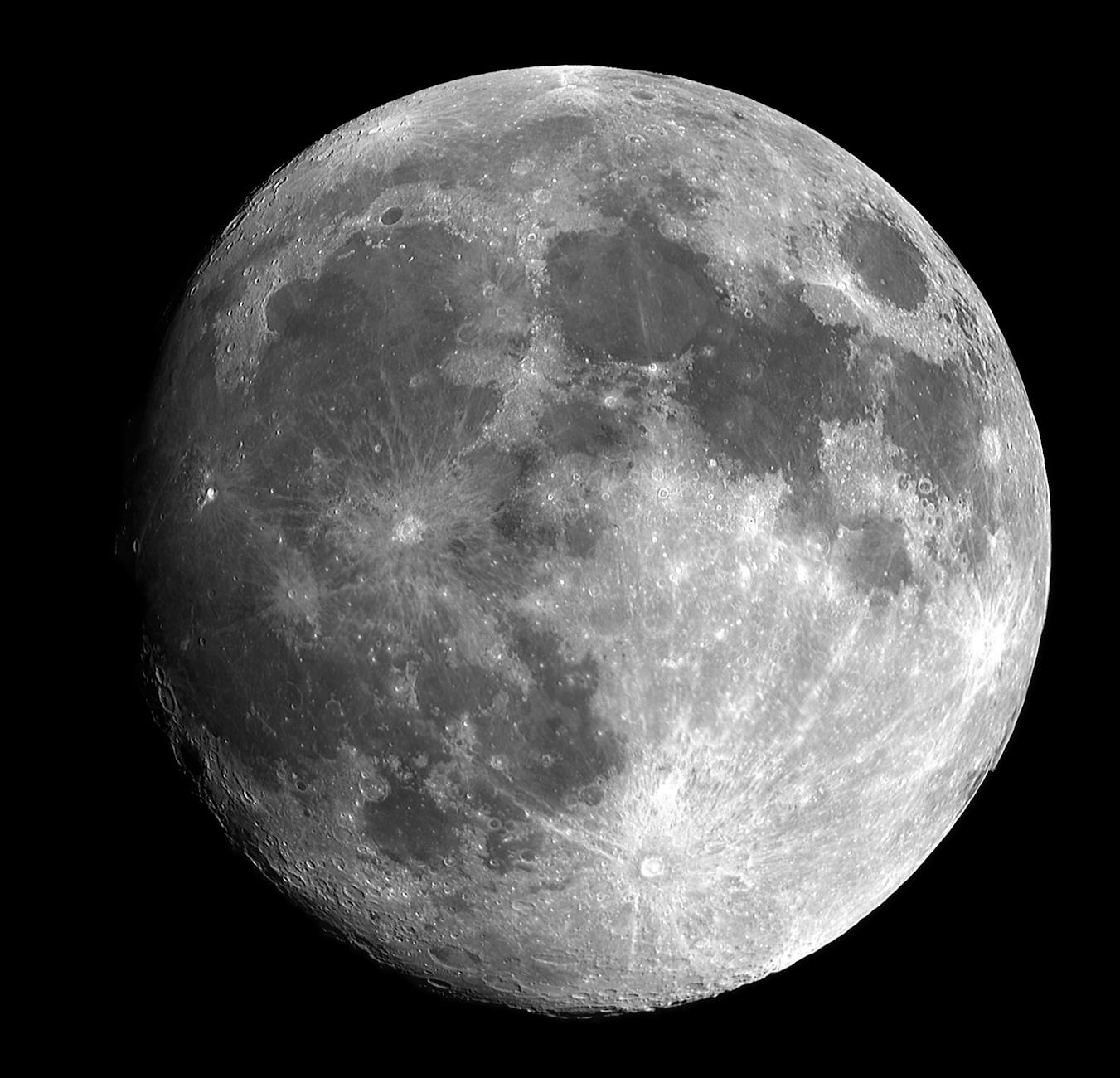

A new analysis of lunar samples collected by China’s Chang’e-6 mission has overturned previous assumptions about the age of volcanic activity on the far side of the moon. The findings, published in the journal Science, indicate that volcanic eruptions occurred far more recently than previously thought, raising questions about the geological processes that have shaped Earth’s nearest neighbor.
The Chang’e-6 mission, which brought back samples from the moon’s far side in 2020, has provided scientists with a treasure trove of information about this previously unexplored region. Among the most significant discoveries is the age of basalt samples, a type of volcanic rock, found in the South Pole-Aitken (SPA) basin.
Using advanced radiometric dating techniques, researchers have determined that these basalts are 2.83 billion years old. This is significantly younger than the 3 billion-year age limit previously established for lunar volcanism based on samples from earlier Apollo and Luna missions.
“This discovery challenges our understanding of the moon’s geological history,” says Dr. Zexian Cui, lead author of the study. “It suggests that the far side of the moon may have remained volcanically active for much longer than we previously thought.”
The findings also have implications for understanding the thermal evolution of the moon. The presence of young basalts suggests that the lunar interior may have cooled more slowly than current models predict.
“This could change our understanding of how the moon’s interior has evolved over time,” says Dr. Cui. “It may also have implications for our understanding of the early history of the Earth and other planets in the solar system.”
The Chang’e-6 mission is part of China’s ambitious lunar exploration program, which aims to establish a robotic research station on the moon by the end of the decade. The mission’s findings are expected to pave the way for further exploration of the moon’s far side and a deeper understanding of its geological history. The United States has a vested interest in the lunar race. The information and technology gained from the missions to the moon are invaluable. The United States would not want to fall behind in this scientific pursuit.
©️ The Rocky Mountain Dispatch LLC. 2024
Leave a Reply