
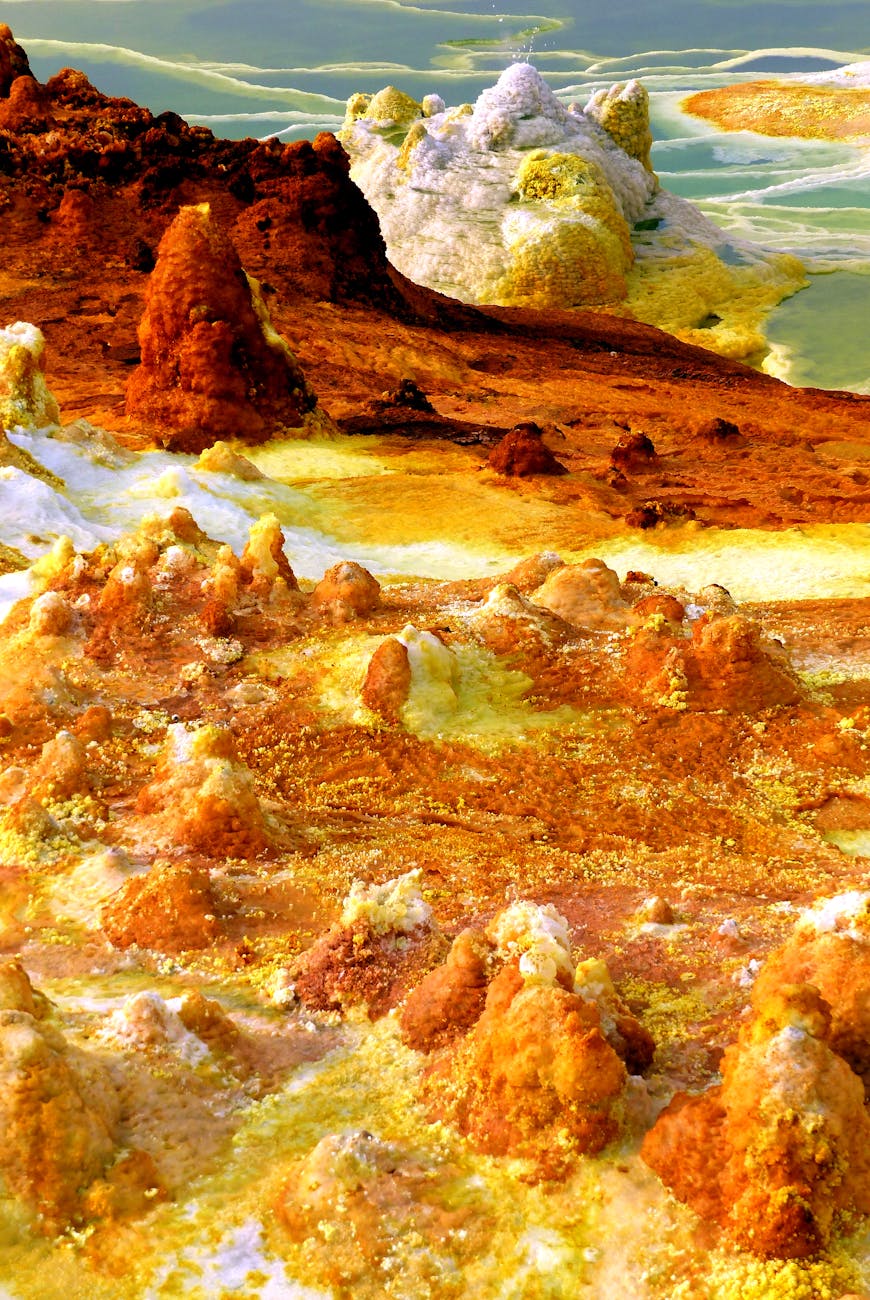

A new study in Nature titled “The progression of basaltic-rhyolitic melt storage at Yellowstone Caldera” reveals a shift in the location of magma storage and potential future volcanism at Yellowstone National Park.
Researchers used seismic tomography to map the distribution of magma beneath the caldera, finding that the interaction between rising basaltic magma and rhyolitic magma is now concentrated beneath the northeast region.
This has resulted in the formation of a significant reservoir of rhyolitic melt in the northeast, with a volume comparable to that erupted in Yellowstone’s smallest caldera-forming eruption, the Mesa Falls eruption 1.3 million years ago. However, the study emphasizes that the percentage of melt within this reservoir, and others beneath Yellowstone, is currently too low to trigger an eruption.
While previous studies estimated the total melt fraction beneath Yellowstone to be between 6-28%, this new research suggests the actual amount is significantly lower. This lower melt percentage indicates that although the location of future volcanic activity may have shifted, an eruption is not anticipated in the near future.
The study highlights the dynamic nature of the Yellowstone volcanic system and underscores the importance of continuous monitoring. The findings will help scientists refine their understanding of the processes that drive volcanic activity at Yellowstone and improve their ability to assess potential hazards.
The Yellowstone Volcano Observatory continues to monitor the caldera for any changes in seismic activity, ground deformation, and gas emissions, providing valuable data for ongoing research and hazard assessment.
©️ The Rocky Mountain Dispatch LLC. 2025
Leave a Reply