
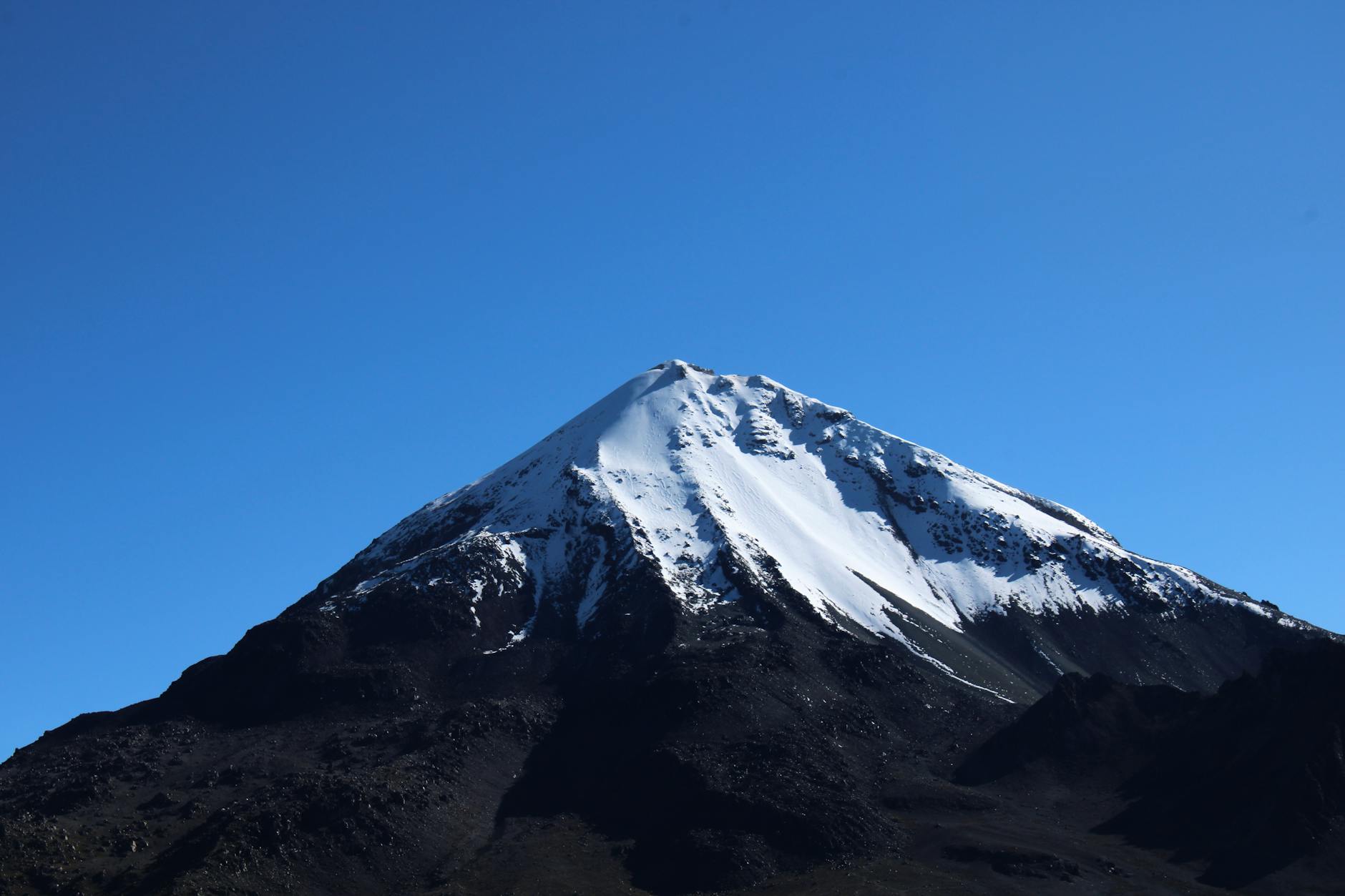

In an alarming turn for Colorado’s water and agriculture systems, the state’s snowpack levels have hit a record low—only 66% of the 30-year median—making it the least favorable year for snowfall in the last decade. This trend has raised significant concerns over potential drought conditions, particularly in southern Colorado, where communities are bracing for reduced water availability and its cascading effects.
Snowpack, often described as the lifeblood of Colorado’s ecosystem, plays a crucial role in replenishing rivers, reservoirs, and soil moisture. It directly impacts agriculture, wildlife, and the urban water supply. With the state’s snowpack dwindling, experts warn of a ripple effect—lower river flows that may fail to meet irrigation demands, groundwater shortages, and an increased risk of wildfires in parched areas.
Environmental advocates and policymakers are calling for proactive solutions to address this water crisis. Strategies include improving water conservation measures, modernizing irrigation systems, and investing in long-term sustainability projects to mitigate drought impacts. Public education campaigns are also being encouraged, urging residents and industries to adopt water-saving practices.
Despite these challenges, some scientists suggest that this year’s low snowpack may not spell immediate disaster. Factors such as strategic reservoir management and state-level drought contingency plans might soften the blow. However, the long-term implications highlight the pressing need for Colorado to adapt and build resilience in the face of changing climate patterns.
This pivotal issue serves as a wake-up call for the state and underscores the importance of collaboration between government agencies, environmental groups, and citizens in tackling water resource management for the future.
©️ The Rocky Mountain Dispatch LLC. 2025
Leave a Reply