

Governor Jared Polis, alongside conservation and recreation leaders, has officially launched Colorado’s Outdoors Strategy, a comprehensive framework aimed at guiding the state’s approach to climate-resilient conservation, sustainable outdoor recreation, and equitable access to nature. Announced at the Partners in the Outdoors Conference, the strategy marks a pivotal moment in statewide environmental planning.
A Vision for the Future
Rather than a static document, the Outdoors Strategy is designed as a living framework to support decision-making across public, private, and tribal sectors. Key components include:
– Interactive data dashboards for mapping conservation and recreation priorities
– A searchable plan library that consolidates federal, state, and local initiatives
– A Tribal Collaboration Framework to ensure Indigenous leadership in land and water stewardship
– An Equity, Diversity, and Inclusion Resource Guide to promote inclusive access to outdoor spaces
Governor Polis emphasized the urgency of the initiative, citing mounting pressures from population growth, climate change, and wildfire risk.
Who’s Behind the Strategy?
The strategy is led by Colorado Parks and Wildlife (CPW) in partnership with the Department of Natural Resources (DNR), Great Outdoors Colorado (GOCO), and the Governor’s Office of Climate Preparedness & Disaster Recovery. Additional contributors include:
– Tribal Nations
– Local governments
– Conservation nonprofits
– Outdoor industry leaders
– Academic institutions such as CU Boulder
The Keystone Policy Center facilitated stakeholder engagement and public input throughout the planning process.
Funding and Local Impact
GOCO has pledged $50 million over five years to support local and regional implementation. The Regional Partnerships Initiative, now encompassing nearly 80% of the state, empowers communities to develop tailored solutions for their unique landscapes.
Becky Leinweber of the Pikes Peak Outdoor Recreation Alliance noted that the funding commitment gives local visions a real chance to materialize.
Why Now?
Colorado’s natural spaces are facing unprecedented strain:
– In 2022, the state welcomed 90 million visitors
– The population is projected to grow from 5.5 million to 8.5 million by 2050
– Climate change is intensifying wildfires, droughts, and habitat fragmentation
The strategy aims to unify fragmented efforts and provide tools for adaptive, science-based management that can respond to these challenges.
Voices of Support and Concern
Supporters view the strategy as a national model. Carlos Fernández of The Nature Conservancy praised the collaborative approach, saying it benefits both people and nature.
Tribal leaders welcomed the inclusion of Indigenous knowledge and leadership. Chairman Melvin J. Baker of the Southern Ute Indian Tribe emphasized the importance of protecting sacred lands and preserving ecosystems.
However, critics have raised concerns about over-centralization. Some rural landowners and recreation advocates worry that statewide frameworks may overlook regional nuances and agricultural priorities. Tony Hass of Las Animas County cautioned that conservation efforts must not compromise agricultural integrity.
Environmental watchdogs also call for transparency and accountability, particularly in how funding is distributed and how success is measured.
What’s Next?
The strategy is now live and open for public engagement. Stakeholders are encouraged to explore the resource hub, provide feedback, and participate in regional planning efforts.
For more information, visit: Colorado’s Outdoors Strategy Resource Hub
©️ The Rocky Mountain Dispatch LLC. 2025
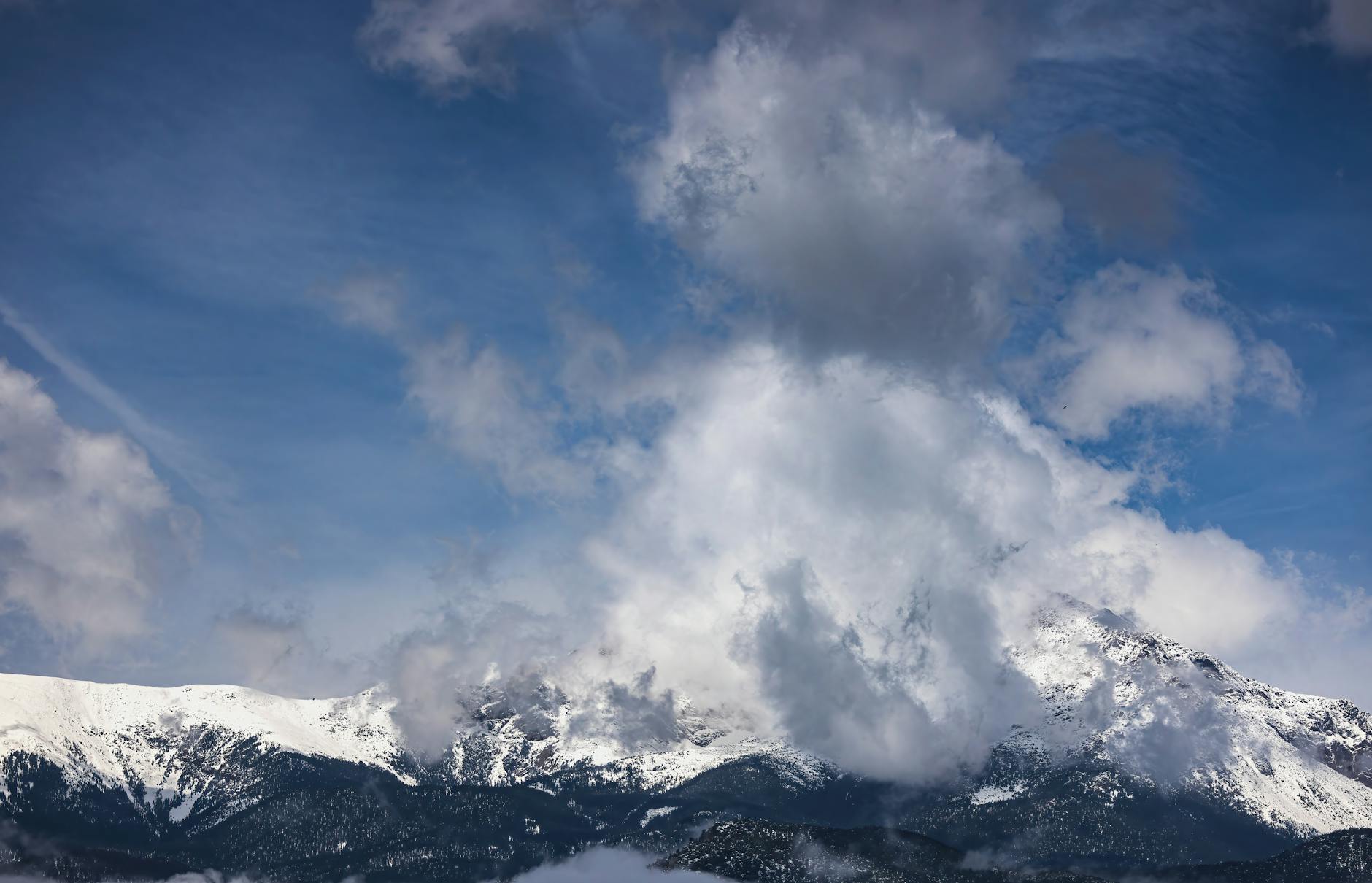
Colorado Launches Bold Outdoors Strategy to Balance Conservation, Recreation, and Climate Resilience
Discover more from NEWS THAT MOVES YOU
Subscribe to get the latest posts sent to your email.
biodiversity, climate resilience, climate-change, Colorado News, Colorado Outdoors Strategy, Colorado Parks and Wildlife, community engagement, Conservation, environmental planning, environmental policy, equity in nature, Governor Polis, Great Outdoors Colorado, Keystone Policy Center, natural resources, outdoor recreation, Public lands, regional partnerships, sustainable tourism, Tribal collaboration
Leave a Reply