
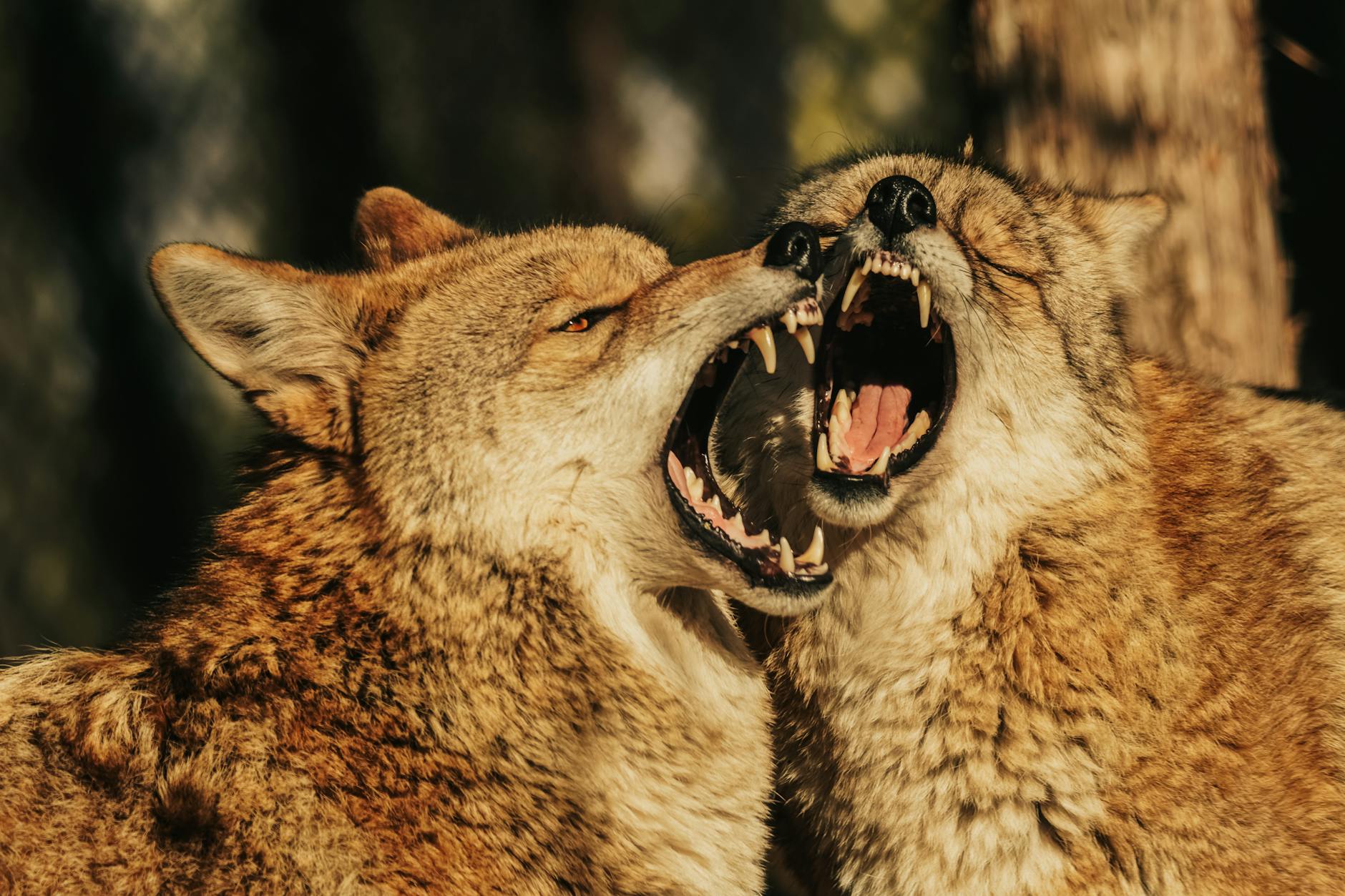

The reintroduction of gray wolves to Yellowstone National Park has led to a dramatic revival of forest ecosystems, according to new research published this week. Scientists say the return of this apex predator has triggered a trophic cascade, reshaping elk behavior and allowing long-suppressed tree species to recover.
Wolves were reintroduced to Yellowstone in 1995 after a 70-year absence. At the time, the decision was controversial, sparking opposition from ranchers and hunters concerned about livestock and game populations. However, ecologists predicted that restoring a top predator could rebalance the park’s ecosystem. Thirty years later, those predictions appear to be confirmed.
Before wolves returned, elk populations had grown unchecked, grazing heavily on young aspen and willow shoots. This overbrowsing prevented forest regeneration, especially in riparian zones. Since the wolves’ return, elk have altered their grazing patterns, avoiding open valleys and riverbanks where they are more vulnerable to predation. As a result, young trees have begun to thrive.
Recent field surveys and satellite imagery show that tree cover in some areas has increased by up to 400 percent. Aspen, cottonwood, and willow trees are now regenerating at rates not seen in decades. This resurgence has had cascading effects on other species.
Beavers have returned to the park, using willow branches to build dams that create wetlands. These wetlands support fish, amphibians, and waterfowl, contributing to greater biodiversity. Songbird populations have also rebounded, nesting in the newly restored trees. Grizzly bears and cougars benefit from improved habitat and increased prey diversity.
A study published in Ecological Applications this month found that aspen sapling survival rates have risen from less than 10 percent in the 1990s to more than 65 percent today. Beaver colonies have increased from one to twelve, and elk population density has dropped from twenty elk per square mile to six. Songbird diversity has more than doubled.
Despite these ecological successes, wolf reintroduction remains politically contentious. Ranchers in surrounding states continue to report livestock losses, and hunting groups argue that wolves reduce game populations. Debates persist over how many wolves should be allowed to live in the region and whether hunting should be permitted.
Nevertheless, within the boundaries of Yellowstone National Park, scientists say the evidence is clear. Wolves have reshaped the landscape in ways that human intervention could not replicate. Their presence has restored balance to the ecosystem, demonstrating the power of predator-driven restoration.
Yellowstone’s experience is now being studied globally as a model for rewilding. Conservation programs in Europe and Africa are looking to replicate similar predator-based strategies to heal damaged ecosystems. The success of wolves in Yellowstone suggests that restoring natural predators can be a key to ecological recovery.
The revival of Yellowstone’s forests is not just a story of conservation—it is a testament to the resilience of nature when given the chance to restore itself.
©️ The Rocky Mountain Dispatch LLC. 2025
Leave a Reply