
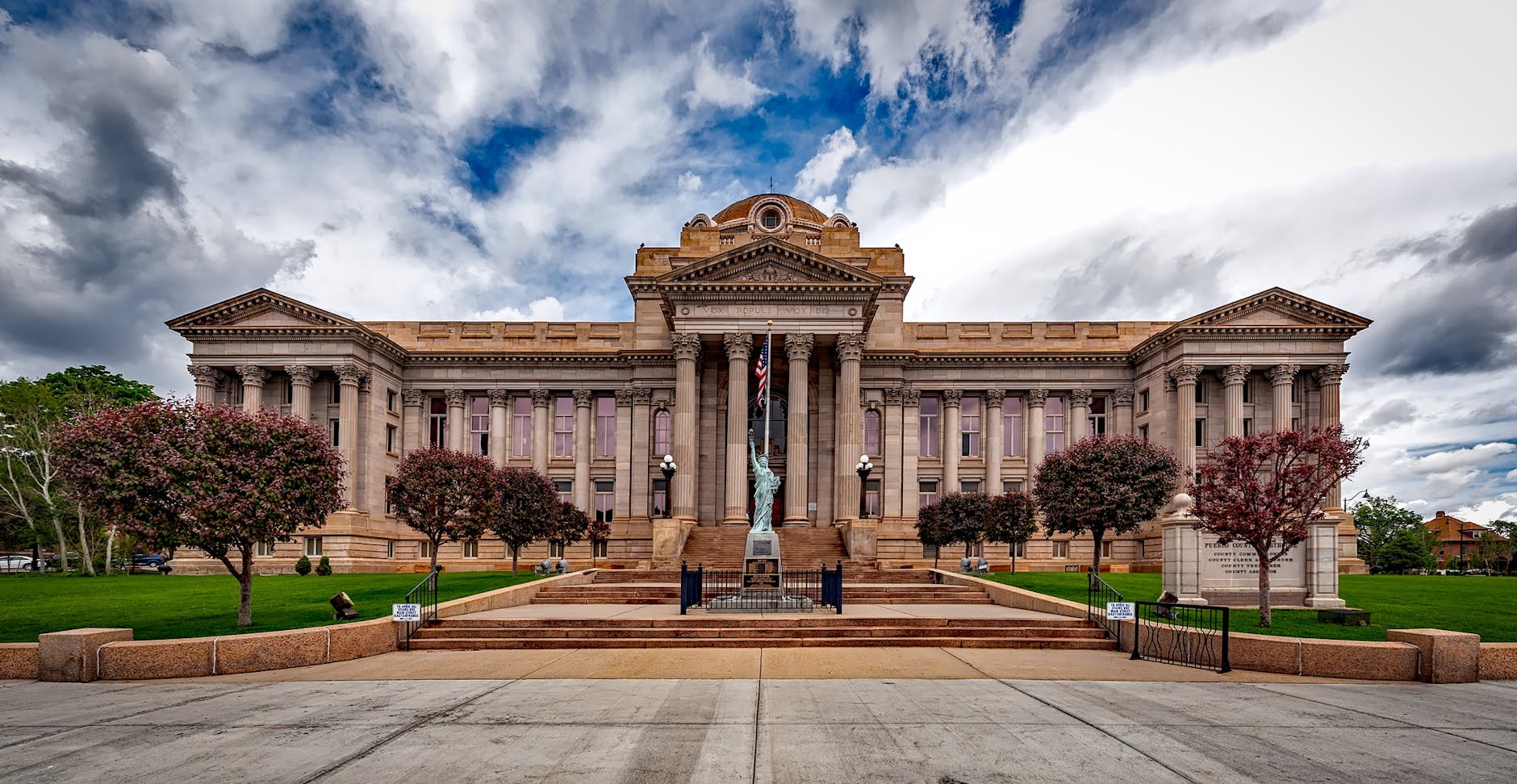
Colorado lawmakers are in a high-stakes special legislative session to resolve a staggering $800 million budget deficit triggered by recent federal tax changes. The session, called by Governor Jared Polis, has exposed deep partisan divides over how to restore fiscal balance without gutting essential public services.
What Caused the Shortfall?
The deficit stems from the One Big Beautiful Act (OBBA), a federal tax reform bill signed into law by President Donald Trump on July 4. Colorado’s tax code automatically mirrors federal changes, meaning the state adopted OBBA’s sweeping tax cuts for corporations and individuals.
– Corporate tax revenue is projected to drop by $950 million.
– Individual income tax revenue will fall by $460 million.
– The total impact is estimated between $680 million and $783 million, depending on the source.
How Lawmakers Plan to Fix It
Governor Polis has directed the legislature to focus on raising revenue, not cutting spending. The Democratic majority is pursuing a multi-pronged strategy:
– Close corporate tax loopholes: Up to $400 million in business tax breaks could be rolled back.
– Impose new fees on health insurers: Estimated to raise $100 million.
– End the sales tax vendor rebate: Could generate $56 million.
– Expand foreign tax haven rules: Could raise $35–$40 million.
– Tap into state reserves: About $300 million will be used immediately.
Political Tensions Run High
Republicans argue the crisis is a result of Democratic overspending, not federal policy.
– Sen. Barb Kirkmeyer (R-Brighton) called it a “raise taxes session,” criticizing the governor’s refusal to allow bills that propose spending cuts.
Democrats counter that the deficit is a direct result of federal tax cuts benefiting corporations and the wealthy.
– House Speaker Julie McCluskie said, “We were $300 million over the TABOR cap, and now we’re $1.2 billion short. This was caused by one single moment with the pen.”
Executive Authority and Future Cuts
While no program cuts will be made during the session, Governor Polis retains executive authority to reduce spending afterward.
– Two bills under consideration would require the Joint Budget Committee to be involved in future cuts, though Polis would still have final say.
– Rumors suggest Medicaid provider rates may be frozen or reduced via executive order once the session ends.
Impact on Colorado Springs
The ripple effects of the state’s budget crisis are already being felt in Colorado Springs, where local agencies are bracing for reduced funding and service disruptions:
Homeless Services Slashed
The Salvation Army’s Family Hope Center, the only low-barrier family shelter in the city, is cutting its available rooms in half—from 31 to just 15—due to a $1 million budget shortfall.
– The shelter has helped over 170 families transition into permanent housing in the past year.
– Leaders warn that the cut comes amid a record-high spike in homelessness, with 1,745 individuals counted in El Paso County this year.
Public Safety and City Services
Mayor Yemi Mobolade announced an $11.5 million shortfall in the city’s budget.
– Hiring for civilian positions is paused, and purchases like equipment replacements are delayed.
– The opening of Fire Station 24 is postponed to save money.
– Towing of abandoned vehicles was temporarily suspended due to budget constraints, though it has since resumed.
Infrastructure and Parks
While core services like police and fire are being protected, programs such as Keep it Clean COS and other beautification efforts may see cuts.
– The city is working to maintain essential services while “tightening the belt” in other areas.
What’s Next?
The special session is expected to last through early next week. Lawmakers must finalize bills that will determine how much revenue can be raised—and how much spending must be cut. The Joint Budget Committee will meet with Governor Polis next Thursday to begin planning reductions.
©️ The Rocky Mountain Dispatch LLC. 2025
Leave a Reply