
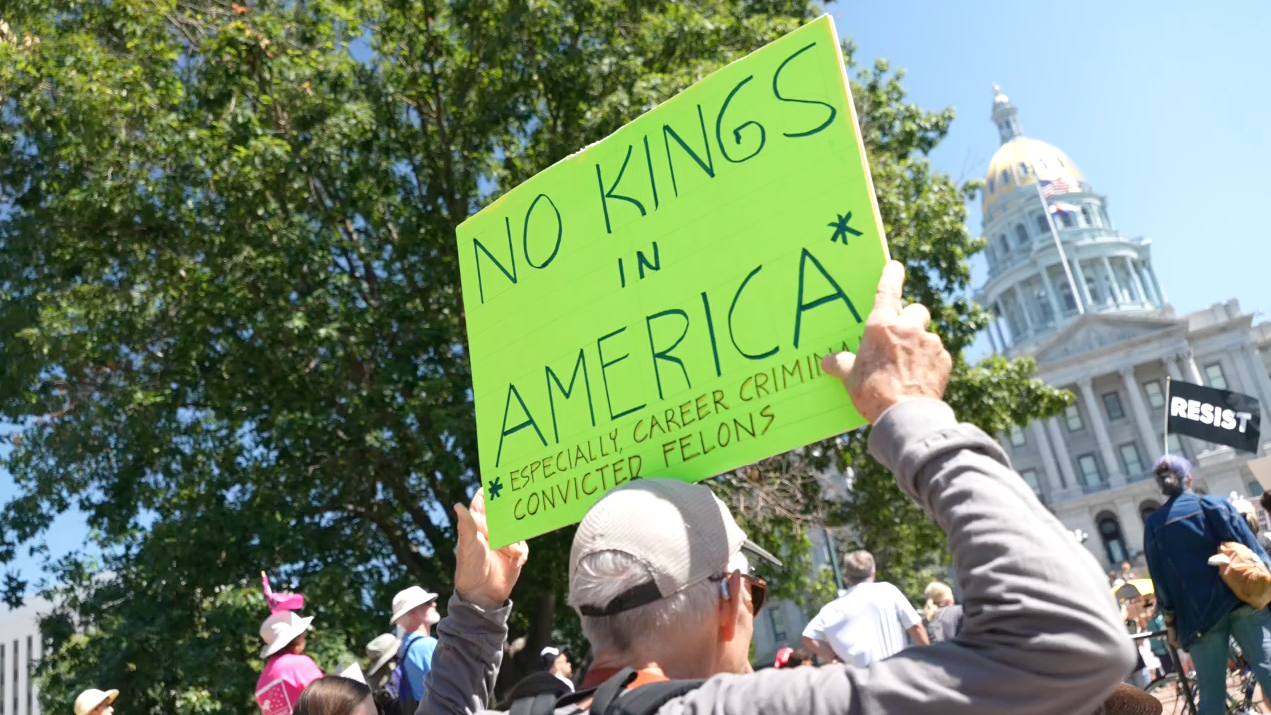

On Monday, hundreds of Coloradans gathered at the State Capitol to mark Labor Day with a public demonstration focused on worker rights, economic fairness, and political accountability. Organized by Colorado 50501, a grassroots coalition, the event featured speeches, music, and informational booths aimed at connecting attendees with advocacy groups and legislative efforts.
Historical Roots and Contemporary Concerns
Labor Day has its origins in the late 19th century, when American workers organized for safer conditions, shorter hours, and fair wages. The holiday was federally recognized in 1894 following the Pullman Strike, a nationwide protest that highlighted tensions between labor and industry.
This year’s event in Denver sought to reconnect with those historical roots, emphasizing ongoing challenges faced by workers in Colorado and across the country. Organizers described the demonstration as a “Labor Day for the people,” while attendees represented a range of political views and professional backgrounds.
Key Issues Raised
Speakers and participants highlighted several core concerns:
- Wages and Cost of Living: Many attendees advocated for wage increases tied to inflation and regional cost data. Some called for a statewide living wage standard, while others emphasized the need for flexibility across industries.
- Healthcare Access: Groups such as Health Care for All Colorado promoted universal healthcare models, while others focused on expanding existing programs like Medicaid and improving affordability within the current system.
- Housing Affordability: Rising rents and limited housing availability were central themes. Advocates urged lawmakers to invest in public housing and enforce tenant protections, while some attendees voiced support for market-based solutions to increase supply.
- Worker Protections: Gig workers, contract employees, and service industry staff were among those represented. Calls for expanded labor protections included paid leave, job security, and clearer classification standards.
- Political Transparency: Several speakers addressed concerns about corporate influence in politics, campaign finance, and policymaking. While some framed these issues in populist terms, others focused on institutional reforms and civic engagement.
Legislative Action in Colorado
The 2025 legislative session saw a mix of progress and debate on labor-related issues:
- Worker Protection Act (SB 25-5): This bill aimed to repeal Colorado’s Labor Peace Act, which requires a second vote with 75% approval for union security agreements. Though passed by the Legislature, Governor Polis has indicated he may veto it due to concerns from business groups.
- Wage and Hour Enforcement (HB 25-1001): This law expands the definition of “employer” and increases penalties for wage violations. It also raises the cap for administrative wage claims from $7,500 to $13,000, with future adjustments tied to inflation.
- Paid Family and Medical Leave Expansion (SB 25-144): Starting in 2026, parents of children in neonatal intensive care units will be eligible for an additional 12 weeks of paid leave. Premium rates for the FAMLI program will also be adjusted annually.
- Tipped Minimum Wage Reform (HB 25-1208): This proposal sparked debate over tip credits in cities like Denver and Boulder. While the bill was amended, it highlighted tensions between wage equity and business flexibility.
These legislative efforts reflect a broader conversation in Colorado about how to balance worker protections with economic growth. While some bills passed with bipartisan support, others revealed divisions within parties and between advocacy groups and business interests.
Perspectives from the Crowd
Jennifer Bradley, a lead organizer with Colorado 50501, said the goal was to “create space for dialogue and action around labor issues that affect everyday Coloradans.” She emphasized the importance of connecting people to policy, not just protest.
Michele Swenson, a longtime activist, spoke about economic disparities and the need for inclusive policy solutions. “This isn’t about one party or ideology—it’s about making sure people can live with dignity,” she said.
Other attendees expressed a range of views. Some supported broader government involvement in labor and economic policy, while others emphasized personal responsibility, entrepreneurship, and market-driven approaches. Despite differing opinions, most agreed that Labor Day should be more than symbolic—it should reflect the realities of working life.
Looking Ahead
The demonstration was part of a broader series of civic events in Colorado this year, including the “No Kings Day” protest in June and ongoing legislative advocacy around housing, healthcare, and labor rights. Organizers say they plan to continue engaging with lawmakers and community members throughout the fall.
As the crowd dispersed Monday evening, the Capitol lawn reflected a shared commitment to dialogue—even among those who don’t always agree. Labor Day in Colorado remains a space for reflection, action, and the ongoing pursuit of economic and social balance.
©️ The Rocky Mountain Dispatch LLC. 2025
Leave a Reply