
Colorado Springs Utilities (CSU) will implement a new time-of-day electricity rate structure beginning October 1, 2025, marking a significant shift in how residents are charged for power. Under the new Energy Wise plan, electricity will cost more during peak hours—weekdays from 5:00 p.m. to 9:00 p.m.—and less during off-peak times, including weekends and holidays.
The change is part of CSU’s broader effort to modernize its energy infrastructure and encourage conservation. The utility estimates that roughly half of residential customers may see lower bills if they adjust their usage habits.
“This is about aligning pricing with demand,” said a CSU spokesperson. “When the grid is under pressure, energy costs more to produce. Time-of-day rates reflect that reality and give customers more control over their bills.”
Currently, the average residential electricity rate in Colorado Springs is 14 cents per kilowatt-hour—below both the state and national averages. However, households with high evening usage, such as electric cooking, laundry, or vehicle charging, may see increases unless they shift those activities to off-peak hours.
CSU’s plan is revenue-neutral, meaning the utility expects to collect the same total revenue as under the previous flat-rate system. Customers can also explore alternative rate plans, including Energy Wise Plus and Fixed Seasonal Rates, depending on eligibility.
Statewide Context
Colorado Springs joins other cities across the state in adopting time-based pricing. In Denver, Xcel Energy will require most residential customers to use time-of-day rates by November 2025. On-peak rates there can be up to three times higher than off-peak rates, though customers may opt into a flat-rate plan.
Fort Collins Utilities has used time-of-day pricing since 2018, with peak hours from 2:00 p.m. to 7:00 p.m. City officials report reduced peak demand and lower energy costs for many customers. In Pueblo, Black Hills Energy offers optional time-of-day rates, but participation remains low and no mandatory rollout is planned.
Compared to these cities, Colorado Springs’ plan is moderate in structure but ambitious in scope, aiming to reshape energy habits across tens of thousands of households.
Infrastructure Investment
The rate change is part of CSU’s $3.7 billion infrastructure investment spanning 2025 through 2029. Projects include grid modernization, water storage expansion, wastewater system upgrades, and renewable energy integration. CSU also adjusts fuel and capacity charges quarterly, meaning bills may fluctuate based on seasonal demand and market conditions.
Community Response
While some residents welcome the shift as a step toward sustainability, others have expressed concern about affordability and flexibility—particularly those with fixed schedules or medical equipment. CSU has pledged to monitor impacts and offer support during the transition.
Solar Adoption and Time-of-Day Rates
Colorado Springs has over 6,000 solar-equipped homes as of mid-2025. For these customers, time-of-day rates present both opportunities and challenges.
Solar panels typically generate power during off-peak hours, allowing homeowners to offset grid usage and potentially lower bills. However, without battery storage, solar users may still rely on grid power during expensive evening hours.
CSU offers net metering, but local advocates are calling for expanded incentives and battery rebates to help solar customers maximize savings under the new rate structure.
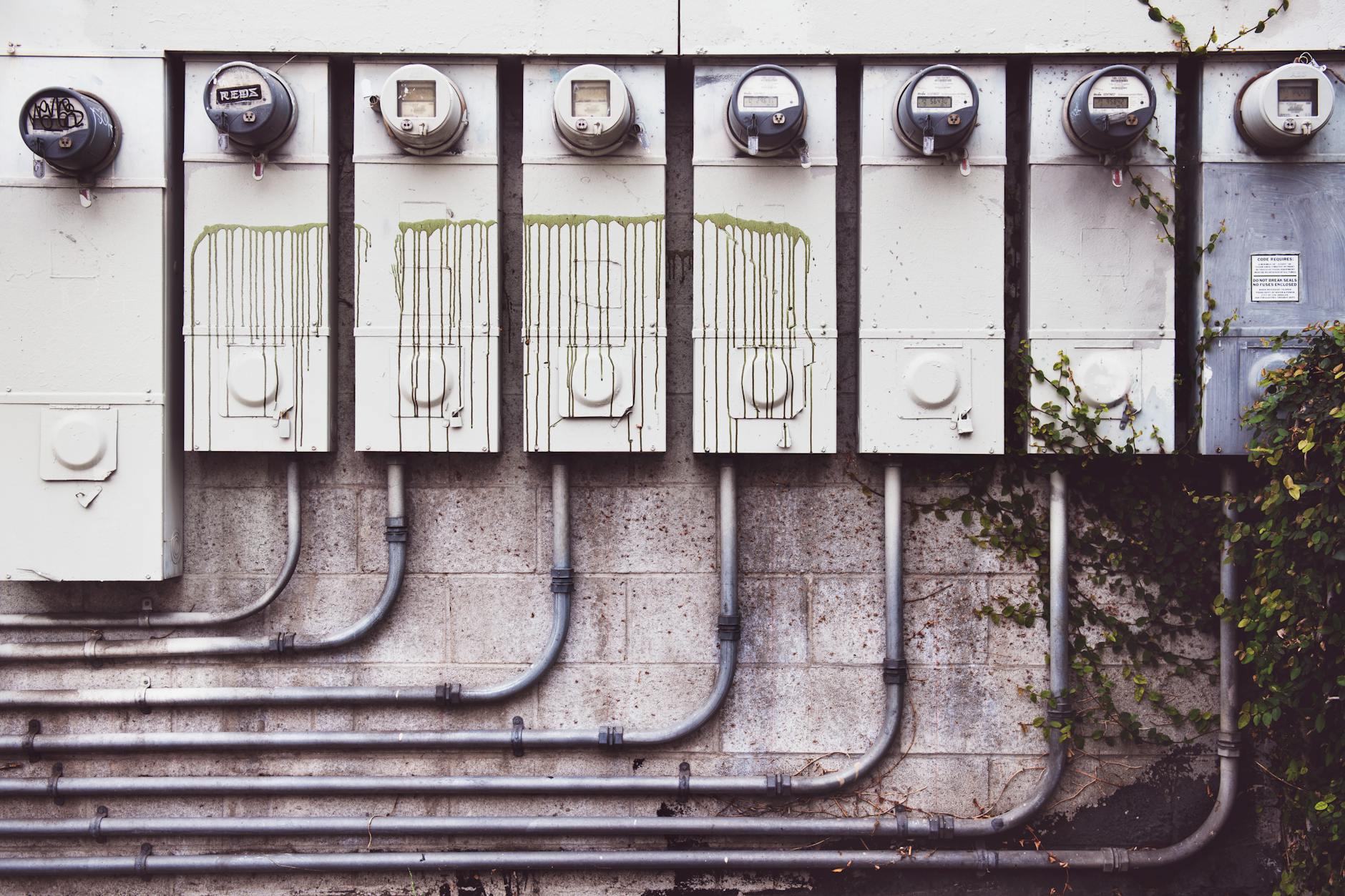
Time-of-Day Electricity Rates Begin in Colorado Springs October 1
Discover more from NEWS THAT MOVES YOU
Subscribe to get the latest posts sent to your email.
Black Hills Energy, Colorado energy policy, Colorado Springs Utilities, CSU, electric vehicles, electricity rates, energy conservation, Energy Wise, Fort Collins Utilities, grid modernization, infrastructure investment, net metering, public utilities, renewable energy, residential solar, solar energy, time-of-day pricing, utility reform, Xcel Energy
Leave a Reply