
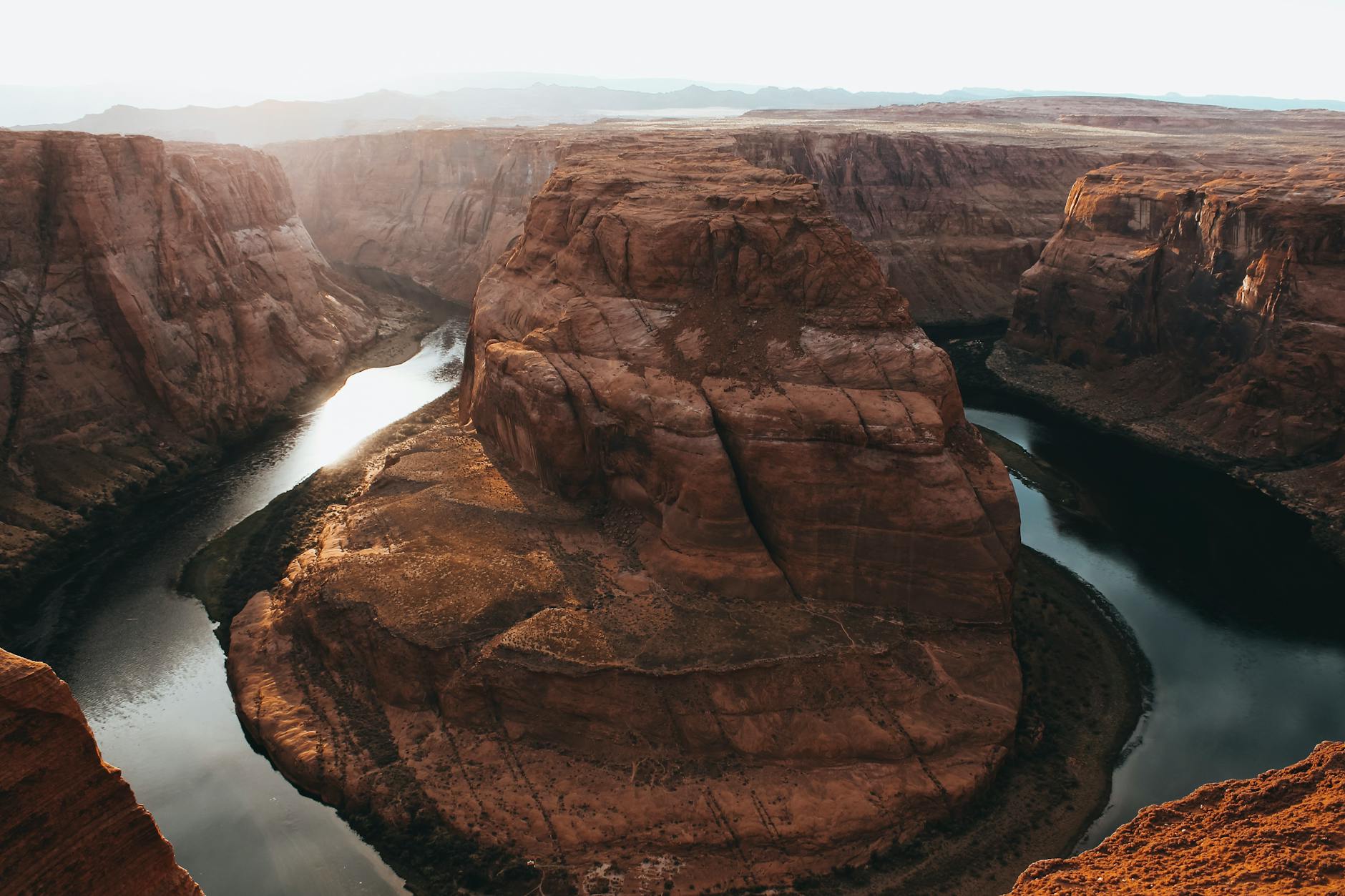
The future management of the Colorado River was thrown into uncertainty after negotiators from the seven basin states, including Colorado, failed to meet a key federal deadline to submit a unified proposal for long-term water-sharing cuts.
The failure to reach a consensus by the November deadline now shifts the pressure to the U.S. Bureau of Reclamation, which may be forced to impose its own plan to manage the shrinking river, a vital water source for 40 million Americans and a multi-billion-dollar agricultural industry.
The deadline was set to force a resolution on how to allocate drastic cuts needed to stabilize the river system, which has been ravaged by a two-decade “megadrought” fueled by climate change. With the current operating guidelines for the river set to expire in 2026, the race is on to create a sustainable framework that reflects the stark reality of diminished flows.
Deep Divides Remain
At the heart of the impasse is the persistent and deep-seated disagreement between the Upper Basin states (Colorado, Wyoming, Utah, and New Mexico) and the Lower Basin states (California, Arizona, and Nevada).
Colorado and the Upper Basin have long argued that their water use is largely within the legal limits set by the 1922 Colorado River Compact and that the Lower Basin, which has historically used more water, must bear the brunt of the mandated cuts.
The Lower Basin states, facing severe reductions that would impact major cities and vast agricultural districts, have been unable to agree among themselves—let alone with the Upper Basin—on how to divide the painful reductions.
Federal Intervention Likely
With the states failing to provide a united path forward, the Bureau of Reclamation is now expected to move forward with publishing its own proposal, a scenario all parties had hoped to avoid. A federally mandated plan could disregard states’ preferences and impose severe, non-negotiated cuts across the region.
For Colorado, the stakes are immense. As the headwaters state, any new agreement or federal mandate threatens to upend a century of water law, impacting everything from Western Slope agriculture to Front Range municipal supplies.
As the region awaits the federal government’s next move, the missed deadline marks a significant failure in regional diplomacy and leaves the “lifeblood of the West” in a precarious state of limbo
Leave a Reply