
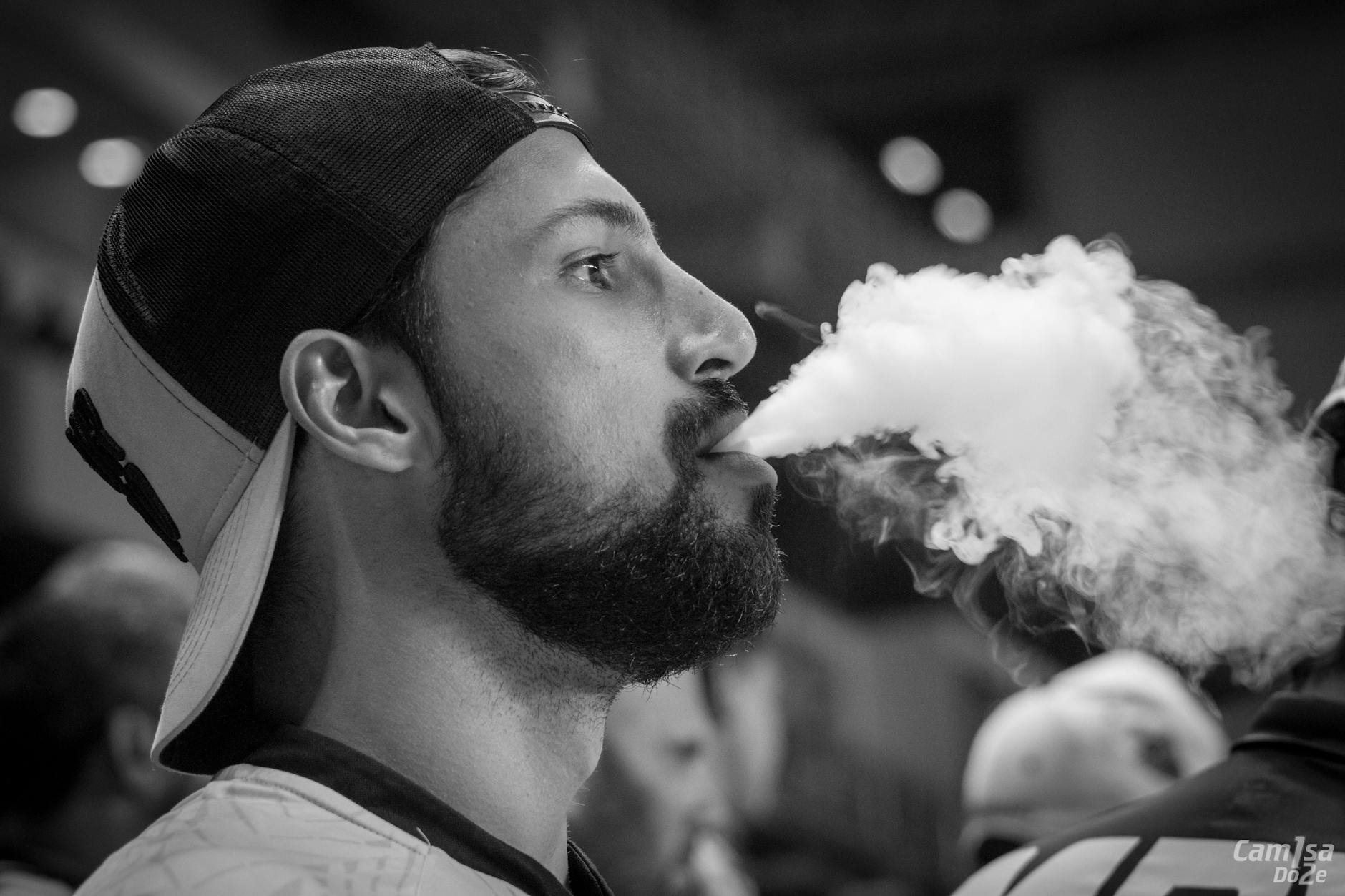
Denver’s sweeping ban on flavored nicotine and tobacco products officially took effect on January 1, 2026, marking one of the most aggressive municipal restrictions on flavored e‑liquids in Colorado to date. The ban, upheld by voters through Referendum 310, now prohibits the sale of flavored vapes, menthol cigarettes, flavored cigars, and other flavored nicotine products across roughly 575 retailers in the city. Hookah tobacco sold at licensed lounges remains the only exemption.
The move has already reshaped Denver’s retail landscape. Vape shops and convenience stores report barren shelves and steep revenue losses, with some owners warning that the ban may force closures or relocations to neighboring cities where flavored products remain legal. Enforcement is being carried out through routine and undercover inspections, with escalating penalties that include license suspensions of up to one year for repeated violations.
While Denver’s ban is now firmly in place, the broader question emerging across Colorado is whether this ordinance could become the blueprint for a statewide prohibition.
Several municipalities have already adopted similar restrictions, part of a growing trend that predates Denver’s vote. Cities across the Front Range and Western Slope have passed their own flavored nicotine bans, creating a patchwork of local regulations that vary widely from one jurisdiction to the next. Public health advocates argue that Denver’s voter‑backed ban demonstrates strong public support for eliminating flavored nicotine products, particularly those marketed toward youth. They contend that a statewide policy would close loopholes that allow consumers to simply cross city lines to purchase banned products.
Opponents, however, warn that Denver’s experience highlights the economic risks of such a move. Retailers in the city report losing up to half their revenue overnight, with some business owners stating that flavored products made up more than 50 percent of their sales. They argue that a statewide ban would devastate small businesses, push consumers toward unregulated online markets, and fail to meaningfully curb youth access.
The political landscape remains fluid. The Denver City Council originally passed the ban in 2024, but it was the 2025 referendum—approved by a wide margin—that solidified its legitimacy and signaled strong voter support. Meanwhile, other cities continue to pass similar ordinances, even as repeal efforts circulate in some communities. This momentum, combined with Denver’s high‑profile implementation, has prompted speculation that state lawmakers may eventually consider a unified statewide policy.
For now, Denver serves as the largest test case in Colorado. Whether it becomes the model for a broader statewide ban will depend on how the economic, public health, and political impacts unfold in the coming months. As retailers adjust to the new reality and neighboring cities weigh their own policies, the debate over flavored nicotine in Colorado is far from settled.
Leave a Reply