
Colorado’s pine forests are slipping into another slow-motion crisis, one that feels eerily familiar to anyone who lived through the great beetle epidemic of the early 2000s. This time, the threat is creeping into the ponderosa stands that line the Front Range, the transitional forests that anchor everything from wildlife habitat to watershed stability. After several years of drought, heat, and erratic winters, the mountain pine beetle is once again finding the upper hand.
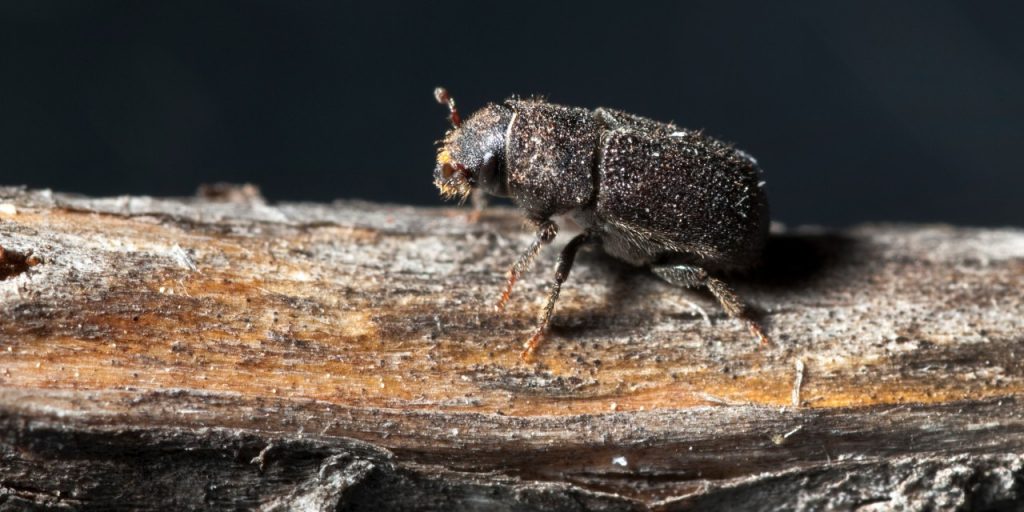
Foresters describe the situation as a “pressure cooker.” Ponderosa pines are built to survive periodic attacks — their thick bark and resin canals are natural defenses — but those defenses depend on water. Years of dry soils have left many trees unable to produce the sap pressure needed to push beetles back out of the bark. When a tree falters, the beetles sense it. They arrive in waves, boring through the outer bark and releasing pheromones that summon thousands more. What begins as a few pitch tubes on the trunk can turn into a lethal mass attack in a matter of days.
The beetles themselves are not new, but the conditions that favor them are becoming more common. Winters that once reliably plunged into deep cold now swing between warm spells and short-lived freezes. Those warmer stretches allow more larvae to survive, and in some regions, beetles are completing their life cycle faster than they did a generation ago. The result is a population curve that rises sharply whenever drought and heat align — a pattern that has become increasingly frequent across the West.
The ecological consequences ripple outward. Ponderosa forests support a wide range of species, from Abert’s squirrels and pygmy nuthatches to elk, mule deer, and black bears. As beetle-killed trees die and fall, they reshape habitat structure and add to the fuel loads that firefighters worry about every spring. Dead stands burn hotter and more unpredictably, and the mosaic of mortality can alter how snow accumulates and melts, affecting downstream water supplies.
State officials are trying to get ahead of the problem. Colorado’s pine beetle task force, convened earlier this year, is coordinating thinning projects, expanding monitoring flights, and working with private landowners to remove heavily infested trees before they become ignition hazards. But even the most optimistic foresters acknowledge that once a beetle population reaches a certain threshold, management becomes less about stopping the outbreak and more about steering the landscape toward long-term resilience.
For many communities along the Front Range, the renewed beetle activity is more than an ecological concern — it’s a cultural one. Ponderosa pines define the foothill skyline, shade trail systems, and frame the places where people live, work, and hike. Watching them fade from green to orange to gray carries a kind of emotional weight, a reminder of how quickly a familiar landscape can change.
Colorado has weathered beetle cycles before, and the forests have always found a way to recover. But the pace of environmental change is testing that resilience. Whether the ponderosa stands can adapt as quickly as the beetles is the question now hanging over the state’s foothills, one that will shape the character of Colorado’s forests for decades to come.
The Slow-Motion Crisis in Colorado’s Pine Forests
Discover more from NEWS THAT MOVES YOU
Subscribe to get the latest posts sent to your email.
Leave a Reply