
WASHINGTON — President Trump signed an executive order on Friday directing the Interior Department to consider stripping gray wolves and Mexican gray wolves of their federal protections. The directive is part of a broader agricultural package aimed at supporting American cattle ranchers and curbing record-high retail beef prices as the national cattle herd shrinks to a 75-year low.
For readers of The Rocky Mountain Dispatch, the fierce collision between wolf conservation and agricultural interests is familiar territory. Since Colorado voters narrowly passed Proposition 114 in 2020, local media—including our own extensive coverage—has documented the deep divides ignited by the state’s gray wolf reintroduction program. We have closely followed the soaring costs of the initiative, the depletion of the state’s livestock compensation fund, and the heavy toll taken on Western Slope ranchers. Just recently, Colorado Parks and Wildlife was forced to halt further wolf introductions until the winter of 2026-2027 due to logistical hurdles and mounting livestock conflicts.
The President’s new order, titled “Supporting America’s Ranchers,” aims to tackle these very frustrations on a national level. The directive gives Interior Secretary Doug Burgum 90 days to evaluate whether the gray wolf and Mexican gray wolf have met the criteria to be delisted or downlisted under the Endangered Species Act. Furthermore, it instructs the Interior and Agriculture departments to update their standards for compensating ranchers for predator losses and to ease the authorization process for the lethal removal of problem wolves.
While the administration has framed the move as a necessary lifeline for the beef industry, the policy faces a steep and complicated legal reality. During the Oval Office signing ceremony, the President suggested to ranchers that they could shoot wolves “as of today,” but federal protections remain fully intact across most of the lower 48 states. Killing a federally protected wolf remains a federal crime until a formal regulatory rule is finalized.
Conservation groups have already promised to take the administration to court, just as they successfully did when a similar delisting effort was attempted in 2020. Environmental advocates, such as the Center for Biological Diversity, point out that wolf predation accounts for less than 1% of total livestock losses nationwide. They argue that the true culprits behind the shrinking cattle supply and surging beef prices are severe droughts, wildfires, and changing climate conditions.
The executive order also includes directives to investigate antitrust violations among major meatpackers and to evaluate the economic impact of restoring mandatory country-of-origin labels on imported beef—moves that have been widely praised by cattlemen’s associations.
As federal agencies begin their 90-day review and Colorado’s own reintroduction efforts remain in a temporary holding pattern, The Rocky Mountain Dispatch will continue to monitor every chapter of this unfolding debate and its impact on the rural communities that power our state’s agricultural economy.
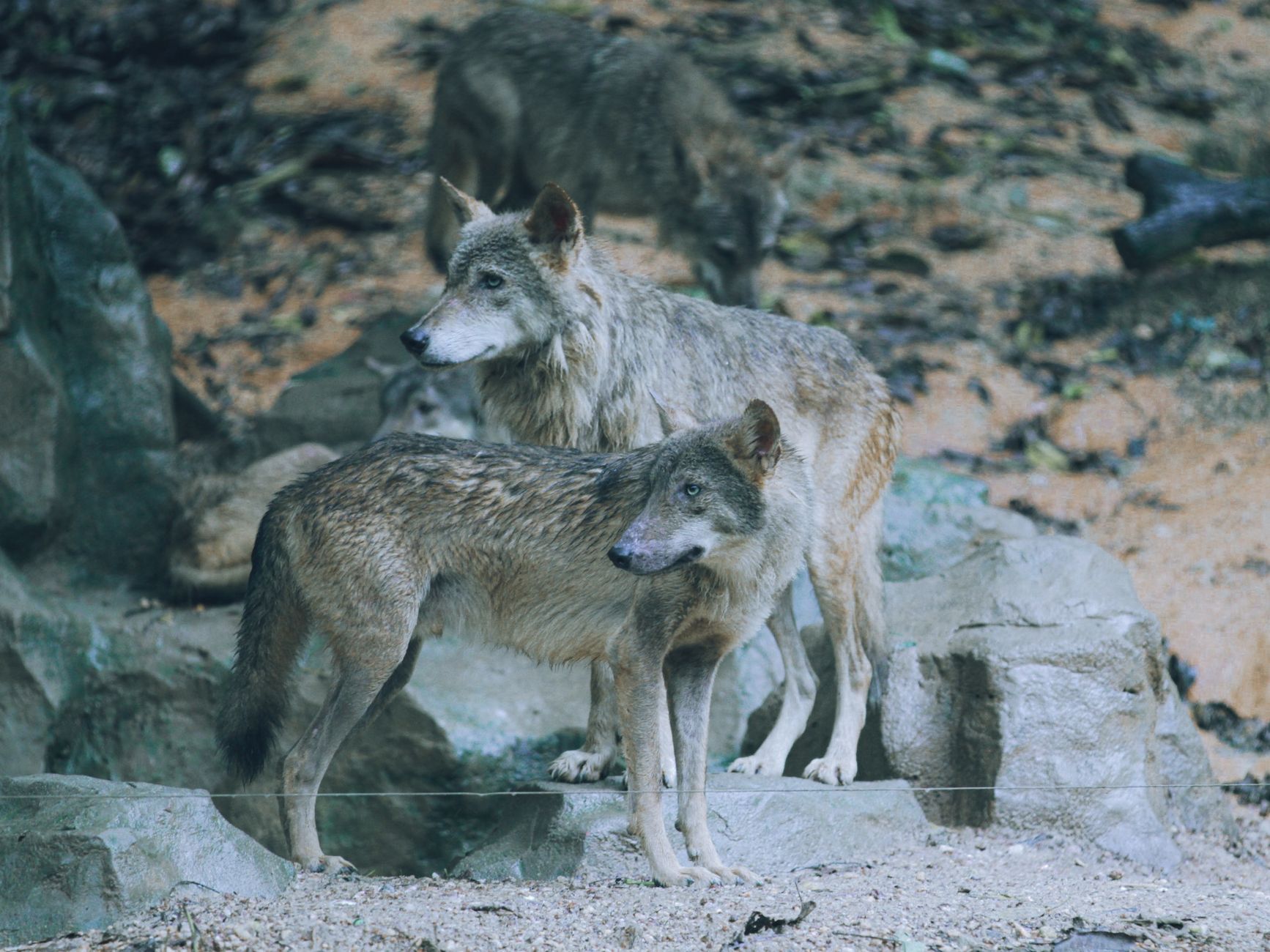
Presidential Order Targets Wolf Protections Amid Rising Beef Prices and Ongoing Colorado Reintroduction Debates
Discover more from NEWS THAT MOVES YOU
Subscribe to get the latest posts sent to your email.
Leave a Reply