
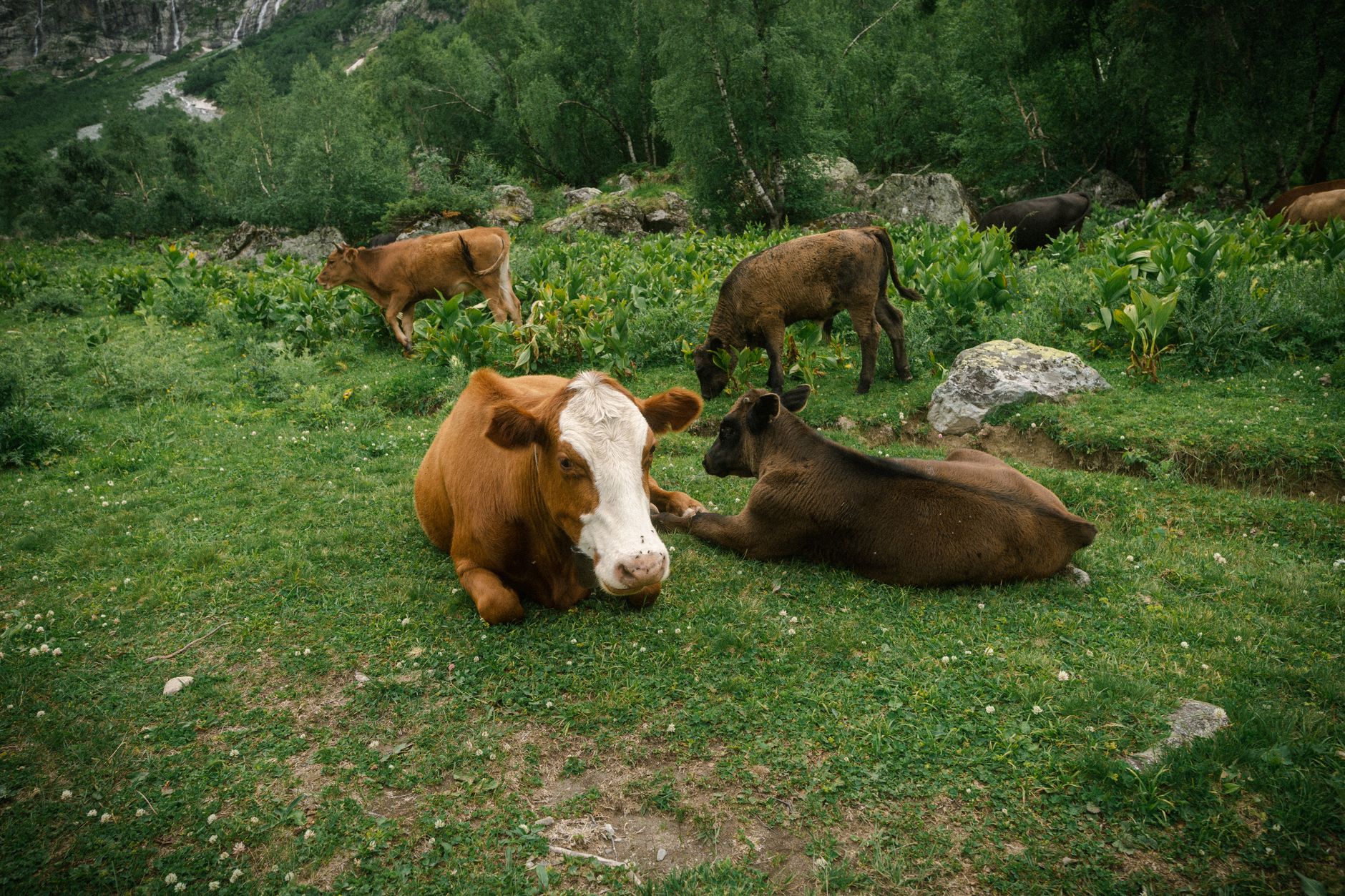
In a significant shift for agricultural policy and local food supply chains, President Donald Trump signed two executive orders on Friday, Sept. 4, designed to allow cattle ranchers to butcher, process, and sell their own beef directly to consumers.
The new directives aim to decentralize a meatpacking industry where roughly 85% of U.S. cattle slaughter is controlled by four major corporate packers. By circumventing these industrial processors, the administration hopes to lower beef prices at the grocery store while simultaneously rebuilding the U.S. cattle herd.
“For the first-time ever, we’re going to give farmers and ranchers the right to process their own food,” Trump stated during a White House event surrounded by agricultural producers. “We’re creating a program where small and medium-sized and large ranchers can sell their products directly to consumers so that they don’t have to go through the big four processes and middlemen.”
For ranchers and consumers, the orders mandate the Department of Agriculture (USDA) to create a framework that streamlines health regulations and expands the Cooperative Interstate Shipment program. This expansion will allow more state-inspected meat to legally cross state lines. To facilitate this, the USDA is directed to build a “one-stop shop” to help small and regional processors navigate bureaucratic red tape, alongside a modernized remote grading program that utilizes smartphone technology to allow for offsite USDA carcass grading.
What This Means for Colorado Ranchers
These policy changes carry heavy economic implications for Colorado, which consistently ranks among the top five states in the nation for cattle sales.
According to the USDA’s latest state agriculture overview, Colorado is home to an inventory of roughly 2.55 million head of cattle and calves. These herds are managed across a significant portion of the state’s 34,900 farm and ranch operations.
Allowing these local producers to sell directly to consumers could create major new revenue streams for Front Range and Western Slope agricultural families. A new “Strengthening Processing for U.S. Ranchers” loan program is also being established to help small and regional meat processors expand their footprint and sustain processing capacity.
Country-of-Origin Labeling and Predator Management
Beyond meat processing, the executive orders tackle two other highly debated agricultural issues that closely align with ongoing Colorado state debates: mandatory country-of-origin labeling and predator management.
First, the USDA and the U.S. Trade Representative are directed to review legal authorities to implement mandatory country-of-origin labeling (mCOOL) for all beef products through new regulations or legislative proposals.
Second, in a move directly intersecting with Colorado’s ongoing wildlife conservation and management challenges, the orders address livestock losses due to protected predators. The Department of the Interior and USDA must update standards to compensate ranchers for 100% of the market value of livestock lost to predation. Furthermore, the orders ease the regulatory hurdles required for the lethal removal of problem predators, specifically directing the Interior to begin the process of delisting or downlisting gray and Mexican wolves under the Endangered Species Act.
While proponents praise the move as a long-overdue victory for food transparency and rural economies, industry groups like the Meat Institute warn that mandatory labeling could add an estimated $835 million annually to consumers’ beef purchases and cost $721 million in first-year implementation.
Leave a Reply