
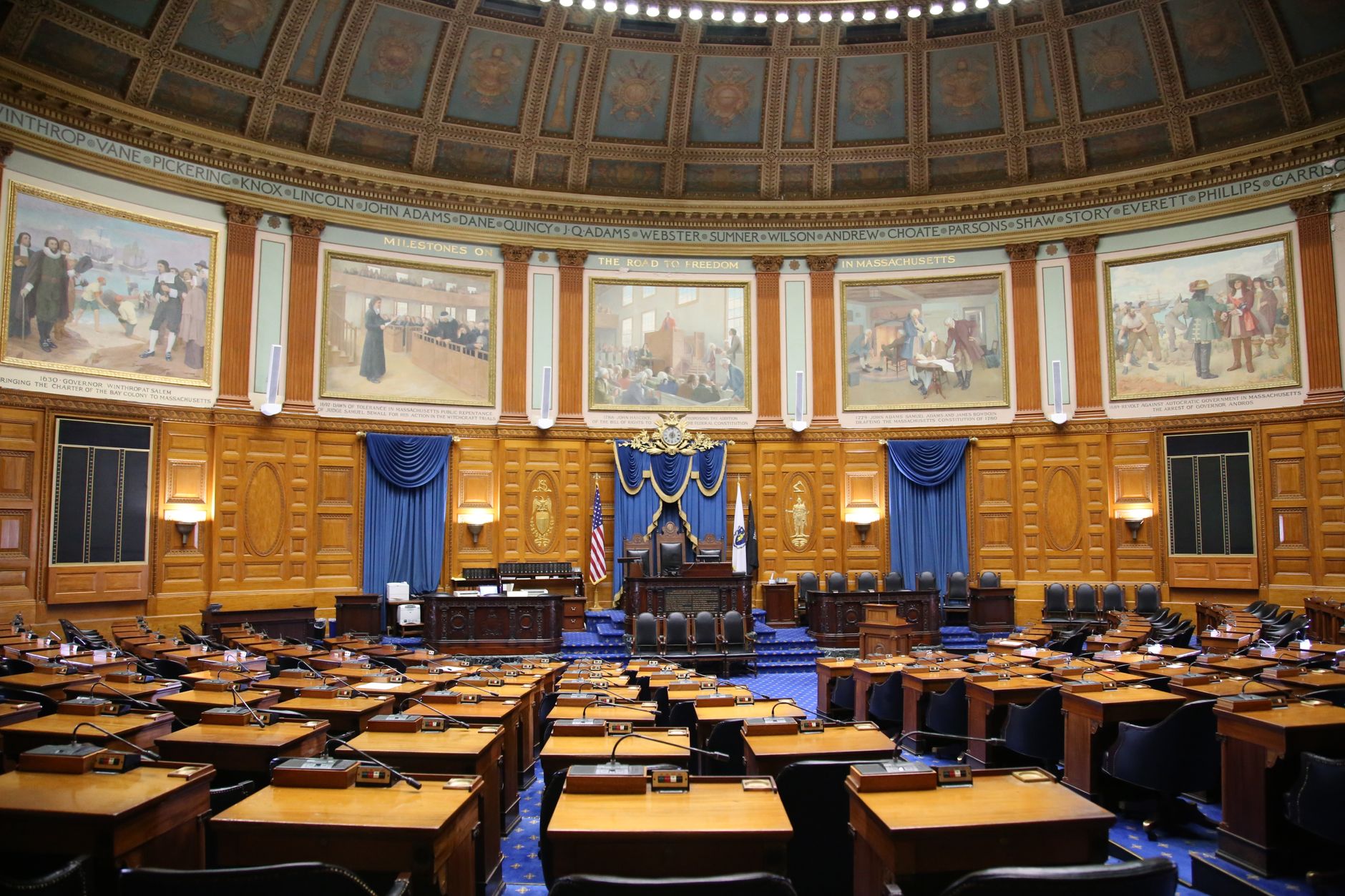
When Colorado lawmakers return to the state capitol for the upcoming legislative session, they will be greeted by a staggering fiscal reality. The state is currently staring down a projected $1.6 billion budget deficit for the upcoming fiscal year. As we have reported extensively in our previous coverage of state budget constraints, the Joint Budget Committee is once again being forced to carve deep into vital state services, turning the upcoming session into a grueling battle over shrinking resources.
The primary engine driving this massive shortfall is runaway healthcare spending. The state overspent its Medicaid budget by nearly $158 million in the previous fiscal year, and nonpartisan budget officials are raising the alarm that Medicaid overages could reach nearly $1 billion by the end of the decade. Lawmakers have been warned that without draconian interventions, healthcare costs will cannibalize the entire state general fund by 2043, crowding out funding for public schools, higher education, and transportation infrastructure.
To staunch the bleeding, budget writers are drafting proposals that target the most vulnerable populations in Colorado. Proposed measures include a 2 percent across-the-board payment reduction to all entities providing Medicaid services. Specific patient benefits are also on the chopping block, with proposals aiming to slash the adult dental benefit from a $3,000 cap down to just $750.
The cuts extend deeply into mental health and disability support systems. Lawmakers are weighing a $12.6 million reduction to intellectual and developmental disabilities services. This includes a controversial $7.4 million cut that would entirely dismantle the community connector program, an initiative designed to help children six and under build essential social skills. Furthermore, the proposed budget targets the state health department by scaling back early mental health interventions and eliminating pilot programs for child care and substance use treatment.
Because voters passed Proposition 130, lawmakers have their hands tied regarding public safety reductions. The ballot measure mandates the state to provide an additional $350 million in funding for local law enforcement agencies to improve recruitment, training, and retention. With core law enforcement funding legally insulated, the Joint Budget Committee must extract the required savings from other civic sectors.
Education and environmental initiatives are not escaping the budgetary scalpel. Governor Jared Polis has recommended an administrative shift in how the state calculates K-12 student enrollment, moving from a four-year average to a three-year average. While framed as a technical accounting maneuver, this change effectively strips approximately $30 million in public school funding. Meanwhile, the Department of Agriculture is facing a proposed $2 million reduction that would gut grant programs supporting equine welfare, conservation, and agrivoltaic projects.
In a desperate bid to generate one-time revenue and soften the blow to social programs, the administration has even floated the idea of privatizing Pinnacol Assurance, the state-backed workers’ compensation insurer. The move could inject an estimated $400 million into the state coffers, but it highlights the extreme lengths to which officials are going to balance the books. As the legislature gavels in, the debate will no longer be about what to fund, but rather which essential services Colorado can afford to let go.
Leave a Reply